Skip to content

Cairo · Tahrir Square

The Egyptian Museum in Cairo

Step inside the historic home of Egyptian antiquities on Tahrir Square — over 170,000 treasures spanning 5,000 years, from the Narmer Palette to the dazzling gold of Tanis. Visit with a certified Egyptologist on a Cairo tour from €45.

  • 170,000+ Artifacts
  • 5,000 Years of History
  • 2 Main Floors
  • Est. 1902 Tahrir Landmark

Top Cairo Tours — Book Now

The most popular Cairo tours including the Egyptian Museum, ranked by traveller reviews and rating. Tap a category and the list updates instantly — no page reload.

12 tours loaded
See all Cairo tours

The Egyptian Museum: A Treasury of Ancient Civilization

The world's original home of Pharaonic treasure

Opened in 1902 on the north side of Cairo's Tahrir Square, the Egyptian Museum — officially the Museum of Egyptian Antiquities — houses one of the most important collections of ancient art on Earth. More than 170,000 artifacts trace 5,000 years of civilisation across two grand floors, from prehistoric pottery to the gilded splendour of the New Kingdom.

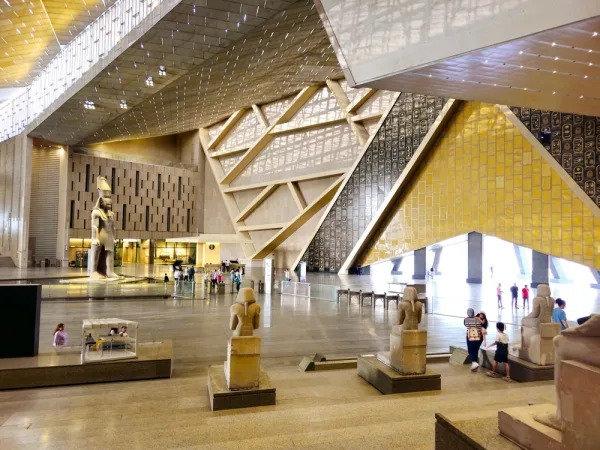
With the Grand Egyptian Museum now open beside the Giza Pyramids, the Tutankhamun collection has moved to Giza and the Royal Mummies to the National Museum of Egyptian Civilization — yet the historic Tahrir museum remains a must-see, displaying Old Kingdom masterpieces, the Narmer Palette and the Tanis royal treasures in its irreplaceable neoclassical halls.

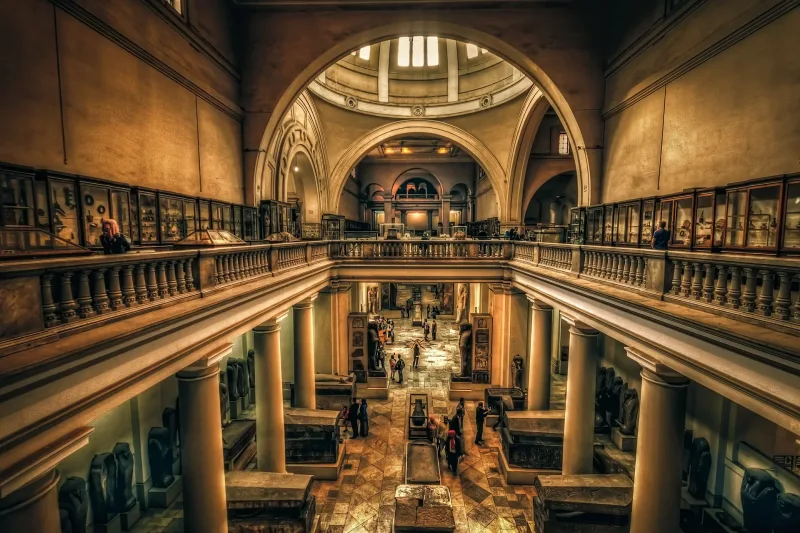
The grand central hall of the Egyptian Museum in Cairo

A century of Egyptian treasures

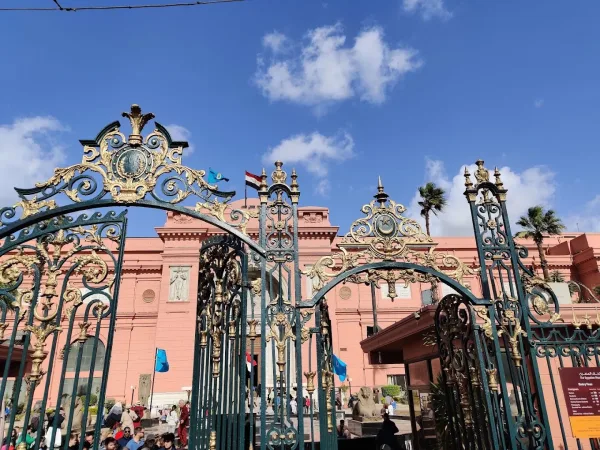
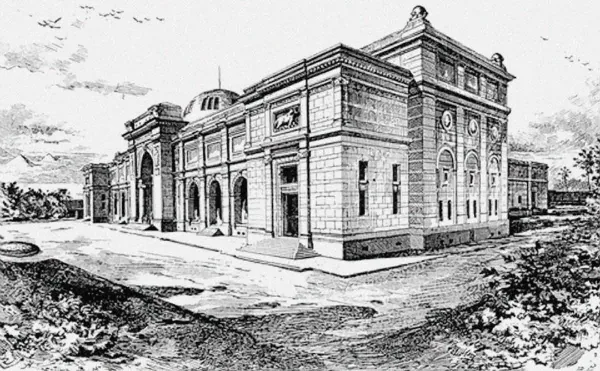
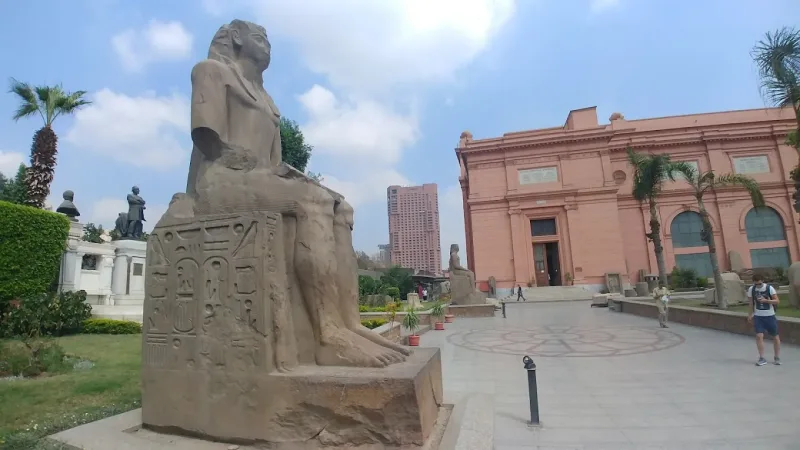
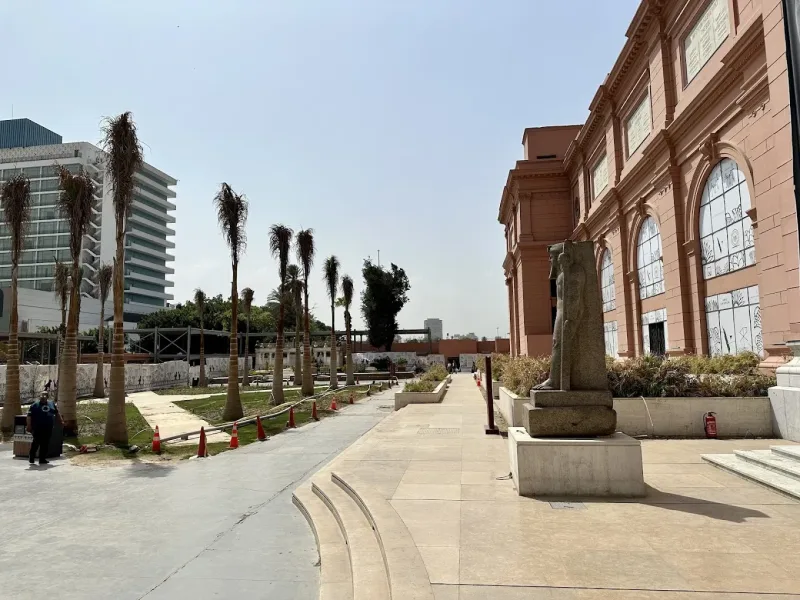
Designed by French architect Marcel Dourgnon, the salmon-pink building is itself a landmark of early-20th-century museum design — purpose-built galleries, soaring skylights and a colonnaded façade overlooking Tahrir Square.

Perfectly placed in downtown Cairo

The museum sits in the heart of the city, a short walk from the Nile Corniche and directly above Sadat Metro Station — making it easy to combine with the Pyramids, Islamic Cairo or a Nile dinner cruise in a single day.

Plan a smarter visit

  • Allow 3–4 hours — or half a day with a guide — to do the highlights justice.
  • Many artifacts have limited labelling; a certified Egyptologist brings the galleries to life.
  • Arrive at 9:00 AM opening to enjoy the Old Kingdom halls before tour groups arrive.

Masterpieces & Major Collections

Even after the Tutankhamun galleries moved to Giza, the Tahrir museum keeps some of the most celebrated objects in all of Egyptology.

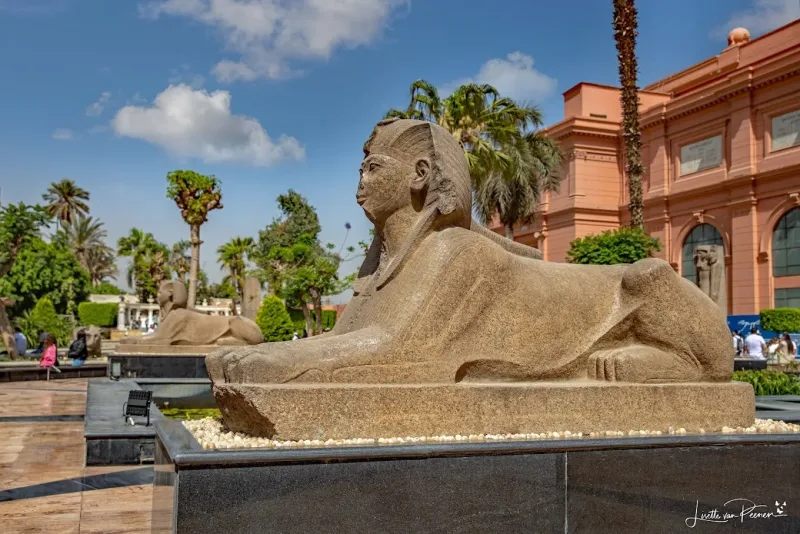
Old Kingdom royal statuary in the Egyptian Museum

Old Kingdom Masterpieces

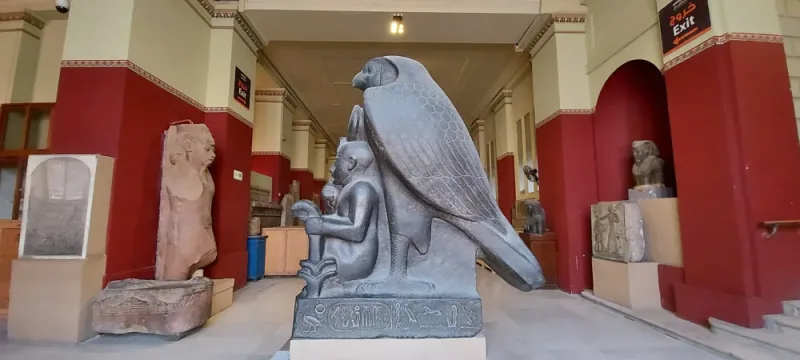
The ground-floor halls hold the founding works of Egyptian art: the diorite Statue of King Khafre protected by the falcon Horus, the strikingly lifelike Seated Scribe, and the wooden Ka-Aper known as Sheikh el-Balad.

  • Statue of King Khafre (4th Dynasty)
  • The Seated Scribe
  • Sheikh el-Balad (Ka-Aper)
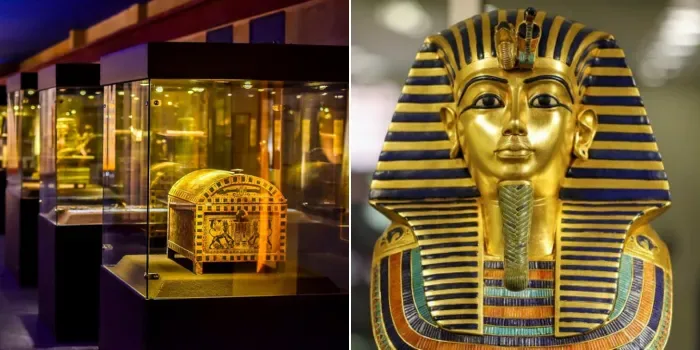
Golden funerary treasures from Tanis displayed in the museum

The Tanis Royal Treasures

Often overlooked beside Tutankhamun, the silver-and-gold treasures of Tanis are among the museum's greatest highlights — including the gold funerary masks of Pharaohs Psusennes I and Amenemope and exquisite royal jewellery.

  • Gold mask of Psusennes I
  • Gold mask of Amenemope
  • Royal jewellery & canopic equipment

The Narmer Palette & the dawn of Egypt

The 5,000-year-old Narmer Palette — recording the unification of Upper and Lower Egypt — is one of the single most important artifacts in human history and remains a centrepiece of the Tahrir collection.

Featured Treasures in Detail

A closer look at the objects most visitors come to see. Click each item for details.

The Narmer Palettec. 3100 BCE · First Dynasty
The Narmer Palette, recording the unification of ancient Egypt

Carved from a single piece of siltstone, the Narmer Palette depicts King Narmer wearing the crowns of Upper and Lower Egypt and is widely read as a record of the unification of the two lands — effectively the founding document of the Egyptian state and one of the earliest historical records on Earth.

Statue of King Khafre4th Dynasty · Old Kingdom
The diorite statue of King Khafre with the falcon Horus

Sculpted in hard, gleaming diorite, this seated statue of the pyramid-builder Khafre shows the falcon-god Horus embracing the back of the king's head — a masterful expression of divine kingship and one of the supreme achievements of Old Kingdom sculpture.

The Seated ScribeOld Kingdom realism
The lifelike painted limestone Seated Scribe statue

With inlaid rock-crystal eyes and a remarkably naturalistic body, the Seated Scribe captures an official poised to write. Its lifelike intimacy makes it one of the most beloved works in the museum and a benchmark of Old Kingdom realism.

Sheikh el-Balad (Ka-Aper)Wooden masterpiece
The wooden statue of Ka-Aper, known as Sheikh el-Balad

Carved from sycamore wood, this rounded, full-figured official so resembled a local village chief that the workmen who found it named it "Sheikh el-Balad" (headman of the village). Its warm humanity is a striking contrast to the formal stone statuary nearby.

The Tanis Royal TreasuresGold masks of Psusennes I & Amenemope
Golden royal funerary mask from the Tanis treasures

Discovered intact in the 1930s in the Delta city of Tanis, these Third Intermediate Period royal burials yielded solid-gold masks, silver coffins and dazzling jewellery. The gold mask of Psusennes I rivals Tutankhamun's — yet draws far smaller crowds.

Yuya & Thuya Funerary CollectionNew Kingdom nobility
Gilded funerary equipment of Yuya and Thuya

The near-complete tomb of Yuya and Thuya — great-grandparents of Tutankhamun — was one of the best-preserved finds before his tomb. Their gilded coffins, masks and furniture give an extraordinary picture of high-status burial in the 18th Dynasty.

Essential Visitor Information

Everything you need to plan your visit to the Egyptian Museum on Tahrir Square.

Hours & Admission

  • Open daily, approximately 9:00 AM – 5:00 PM (hours can vary in Ramadan and on holidays).
  • An entry ticket is required; reduced rates apply for students with valid ID.
  • A separate photography ticket covers cameras; smartphone photos are often allowed.
  • Skip-the-line entry is included on most guided Cairo tours.

Getting There

  • Metro: Sadat Station (Lines 1 & 2) exits directly in front of the museum.
  • Taxi / Uber / Careem: ask for "El Mathaf El Masri", Tahrir Square.
  • Most day tours include round-trip hotel pickup and drop-off.
  • Easily combined with the Pyramids of Giza in one full day.

Facilities & Services

  • Gift shop, café and on-site restrooms.
  • Multilingual audio guides and official guides at the entrance.
  • Security screening on entry; large bags may be checked.
  • Partial climate control — the 1902 halls can be warm in summer.

Visitor Tips

  • Visit early morning or late afternoon to avoid the busiest periods.
  • Wear comfortable shoes — the galleries are large and floors are stone.
  • Bring water; you may need to leave bottles at security.
  • Hire a guide to navigate the lightly-labelled collection efficiently.

Location

Tahrir Square, Downtown Cairo, Egypt. View on Google Maps · GPS 30.0478, 31.2336.

The Egyptian Museum by the Numbers

170,000+Artifacts in the collection
5,000Years of history covered
1902Year the museum opened
2Main exhibition floors

History of the Egyptian Museum

From a riverside storehouse of antiquities to a world landmark — and a new chapter alongside the Grand Egyptian Museum.

Early Beginnings (1835–1891)

To stem the looting of antiquities, Egypt founded its first national collection in 1835. Under Auguste Mariette the holdings grew and moved several times — including to a building in Boulaq and a palace in Giza — before a permanent home was planned.

The Tahrir Landmark (1902)

The purpose-built neoclassical museum on Tahrir Square opened in 1902. For over a century it was the world's foremost home of Pharaonic art, welcoming millions of visitors to its Tutankhamun and Old Kingdom galleries.

A New Era (2025 →)

With the Grand Egyptian Museum opening at Giza in November 2025, the Tutankhamun collection moved there and the Royal Mummies to the NMEC. The Tahrir museum is now being renovated and refocused on rich thematic exhibitions of its 170,000+ artifacts.

Frequently Asked Questions

Everything travellers ask about visiting the Egyptian Museum in Cairo.

How much time should I spend at the Egyptian Museum?
Allow 3-4 hours to appreciate the museum's collection of over 170,000 artifacts across two main floors. If time is short, prioritise the Old Kingdom masterpieces and the Tanis royal treasures; a knowledgeable guide helps you navigate efficiently.
Is the Egyptian Museum being replaced by the Grand Egyptian Museum?
No. The historic Egyptian Museum in Tahrir Square remains open. The Grand Egyptian Museum (GEM) near the Giza Pyramids opened in November 2025 and now displays the complete Tutankhamun collection, while the Royal Mummies are at the National Museum of Egyptian Civilization (NMEC). The Tahrir museum continues to show 170,000+ artifacts and is being renovated and refocused on thematic exhibitions.
What are the must-see artifacts at the Egyptian Museum?
Tutankhamun's treasures are now at the Grand Egyptian Museum. At the historic Tahrir museum, must-sees include the Narmer Palette, the Statue of King Khafre, the Seated Scribe, the wooden Ka-Aper (Sheikh el-Balad), the Tanis royal treasures (gold masks of Psusennes I and Amenemope), and the funerary equipment of Yuya and Thuya.
Are there guided tours available at the Egyptian Museum?
Yes. Options include official museum guides at the entrance, multilingual audio guides, and pre-booked private tours with an Egyptologist and hotel pickup. A guide is highly recommended, as many artifacts have limited labelling.
What is the best time to visit the Egyptian Museum?
Arrive at opening (9:00 AM) to beat tour groups. Weekdays (Monday to Wednesday) are quieter than weekends. Winter (November to February) is peak season; summer is hotter but less crowded. Late afternoon can also be calmer.
Is photography allowed in the Egyptian Museum?
Yes, with a photography ticket; smartphone photography may be allowed without a fee. Flash photography is prohibited to protect the artifacts, and tripods or professional equipment require special permission. Some galleries may restrict photography entirely.
How do I get to the Egyptian Museum?
The museum is in Tahrir Square, downtown Cairo. The easiest option is the Sadat Metro Station (Lines 1 and 2), with an exit in front of the museum. Taxis and ride-hailing (Uber, Careem) are widely available; ask for El Mathaf El Masri. Many Cairo tours include hotel pickup.
Does the Egyptian Museum have air conditioning?
The historic 1902 building has only partial climate control. Some galleries with sensitive artifacts are air-conditioned, but the main halls rely on natural ventilation and fans, so it can be warm in summer. Visit in the morning when it is cooler.

Need more information?

Our team is happy to help — reach out via WhatsApp, email, or call +20 101 195 7868.

See the Egyptian Museum with an Expert Egyptologist

Book a guided Cairo tour with skip-the-line entry and hotel pickup — from museum highlights to a full day pairing the Pyramids of Giza with Tahrir Square. Cairo tours from €45 per person.

View Cairo Tours WhatsApp
Chat with us!

Site map

39