Muhammad Ali Mosque
The "Alabaster Mosque" dominates Cairo's skyline with its 52-meter central dome and 84-meter twin minarets. This Ottoman masterpiece features French chandeliers, alabaster-faced walls, and Muhammad Ali's marble tomb.
The World's Greatest Medieval Islamic City
Journey through 1,400 years of continuous Islamic civilization in Cairo's historic quarter, home to over 600 classified monuments and a UNESCO World Heritage Site where medieval mosques, bustling bazaars, and centuries-old traditions create a living museum unlike anywhere on Earth.
Step into the world's most intact medieval Islamic city, where 1,400 years of continuous civilization unfolds across winding alleyways, towering minarets, and bustling bazaars that have served as Cairo's beating heart since the Fatimid dynasty founded the city in 969 CE.
Islamic Cairo, known locally as "Al-Qahirah Al-Islamiyyah," stands as humanity's greatest concentration of medieval Islamic monuments. This UNESCO World Heritage Site encompasses over 600 registered historic buildings within just a few square kilometers, creating an open-air museum where every corner reveals architectural treasures spanning from the 7th-century Arab conquest through the Ottoman period.
Unlike ancient monuments frozen in time, Islamic Cairo remains a vibrant, living quarter where traditional craftsmen still practice centuries-old trades, the muezzin's call echoes from hundreds of minarets five times daily, and local families have inhabited the same neighborhoods for generations. This unique continuity makes Islamic Cairo not just a tourist destination, but a thriving testament to Islamic urban civilization.
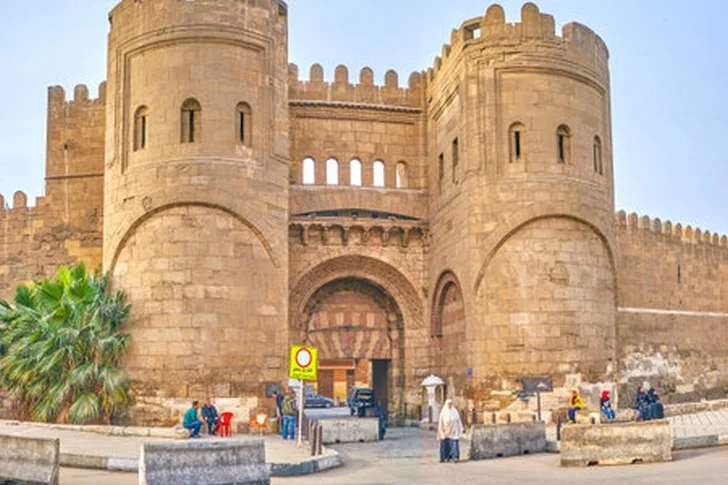
From the spiral minaret of Ibn Tulun to the twin minarets of Bab Zuweila, discover mosques that pioneered Islamic architectural innovations centuries before their adoption elsewhere.
Recognized in 1979 as one of the world's oldest Islamic cities with the highest concentration of Islamic architectural treasures, representing humanity's shared cultural heritage.
Experience authentic medieval urban life where 300,000 residents maintain traditions, from copper smithing in Khan el-Khalili to Sufi ceremonies in historic mosques.
Saladin's mighty fortress and Muhammad Ali's alabaster mosque dominate Cairo's skyline, offering panoramic views and 800 years of military architecture.
Must-see: Muhammad Ali MosqueCairo's legendary bazaar district where merchants have traded for 600 years. Gold souks, spice markets, and traditional coffeehouses create sensory overload.
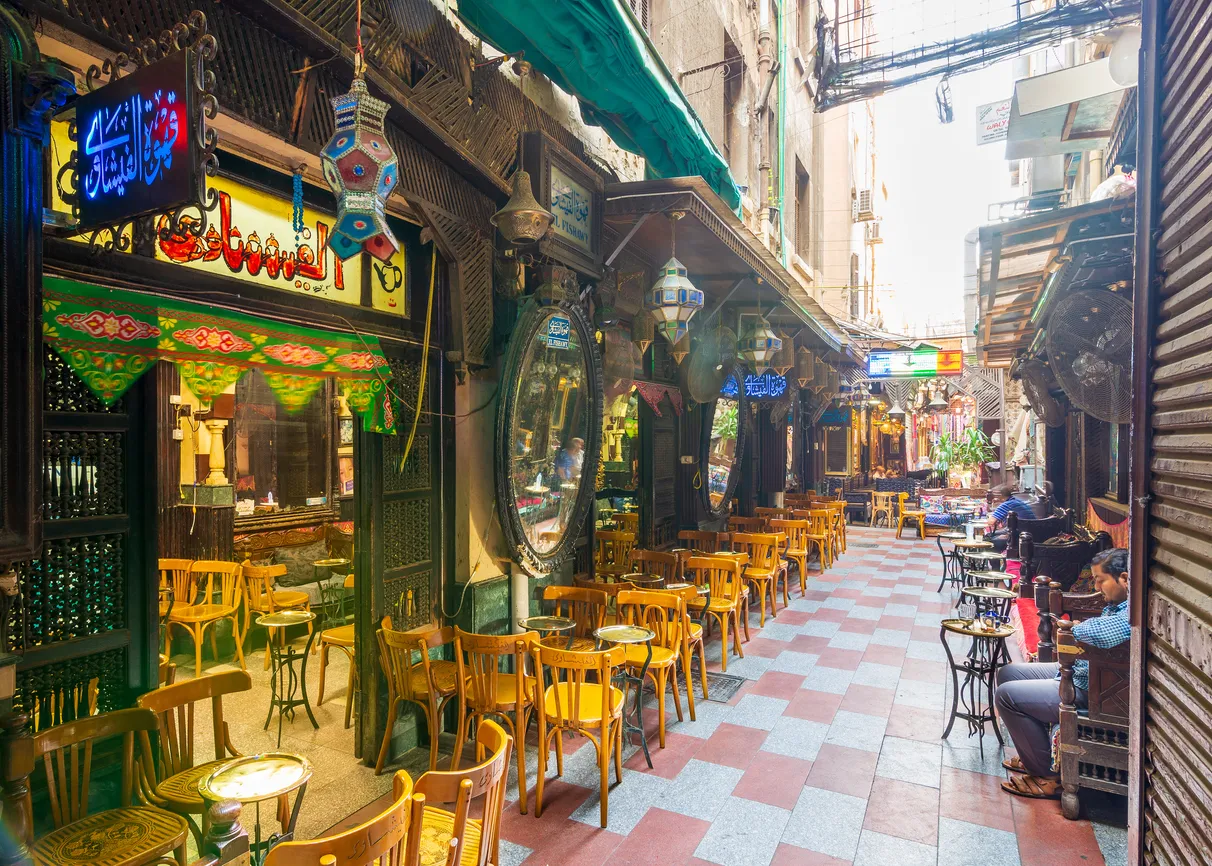
Experience: El-Fishawy CaféThe spine of Fatimid Cairo featuring the world's greatest concentration of medieval Islamic monuments in a single kilometer.
Highlights: Qalawun ComplexHome to the prestigious Al-Azhar University and Mosque, the center of Sunni Islamic scholarship for over 1,000 years.
Visit: Al-Azhar Mosque (Free)The "City of the Dead" where Mamluk sultans built elaborate funerary complexes that double as architectural masterpieces.
Architecture: Sultan HassanThe southern gate district featuring Ottoman-era monuments and the famous twin-minaret gate offering rooftop city views.
Climb: Bab Zuweila MinaretsWhether you're drawn to architectural wonders, living history, or spiritual experiences, Islamic Cairo offers treasures beyond imagination. Let expert guides unveil the stories behind every stone.
Perched on a limestone promontory above Cairo, the Saladin Citadel served as Egypt's seat of government for nearly 700 years. Built between 1176 and 1183 by the legendary Sultan Saladin, this medieval fortress never faced a siege despite its elaborate defenses.
The complex showcases 800 years of Islamic architectural evolution, from medieval fortifications to Ottoman grandeur. The iconic Muhammad Ali Mosque dominates Cairo's skyline with its alabaster walls and soaring minarets.
Includes all mosques and museums
Last entry at 4:00 PM
See the Pyramids on clear days
From Fatimid foundations to Ottoman transformations, explore centuries of Islamic architectural evolution through Cairo's most significant mosques.
The "Alabaster Mosque" dominates Cairo's skyline with its 52-meter central dome and 84-meter twin minarets. This Ottoman masterpiece features French chandeliers, alabaster-faced walls, and Muhammad Ali's marble tomb.
The pinnacle of Mamluk architecture, covering 8,000 square meters with walls rising 65 meters high. Built during the Black Death, this cruciform madrasa accommodated 500 students studying four schools of Islamic jurisprudence.
Cairo's oldest intact mosque (876-879 CE) features a unique spiral minaret inspired by Samarra. The mosque's pointed arches predate European Gothic architecture by 250 years, with nearly 2km of Kufic inscriptions.
Founded in 970-972 CE, Al-Azhar evolved into Sunni Islam's foremost center of learning. The world's second-oldest continuously operating university features five minarets from different periods and houses irreplaceable manuscripts.
Cairo's most successful fusion of Mamluk architecture with Ottoman decoration. Famous for blue and green Iznik tiles imported from Constantinople and Damascus, creating Egypt's answer to Istanbul's Blue Mosque.
This neo-Mamluk structure houses the tombs of Egypt's royal dynasty, including Kings Fuad I and Farouk, and remarkably, the last Shah of Iran. Built to complement the adjacent Sultan Hassan Mosque.
Walk through the world's highest concentration of medieval Islamic architecture along this one-kilometer open-air museum from Bab al-Futuh to Bab Zuweila.
Al-Muizz li-Din Allah Street showcases continuous architectural development spanning 1,000 years. Named after the Fatimid caliph who founded Cairo in 969 CE, this pedestrian street (vehicle-free 9 AM-10 PM) earned UNESCO World Heritage designation in 1979.
Qalawun Complex - Mamluk architectural masterpiece
Bab al-Futuh - Northern fortified gate
Bab Zuweila - Iconic twin-minaret gate
Al-Muizz Street - Living medieval atmosphere
Pedestrian-friendly historic street
Fatimid to Ottoman periods
Best light in early morning
Protected since 1979
Six centuries of commerce in Cairo's legendary bazaar, where traditional crafts, aromatic spices, and the atmosphere of medieval trade routes create an unforgettable experience.
Established in 1382 by Jaharkas al-Khalili, Khan el-Khalili has served as Cairo's commercial heart for over 600 years. Sultan al-Ghuri's complete redesign in 1511 created the current grid layout with monumental stone gates.
Traditional copper and brass lanterns light the way
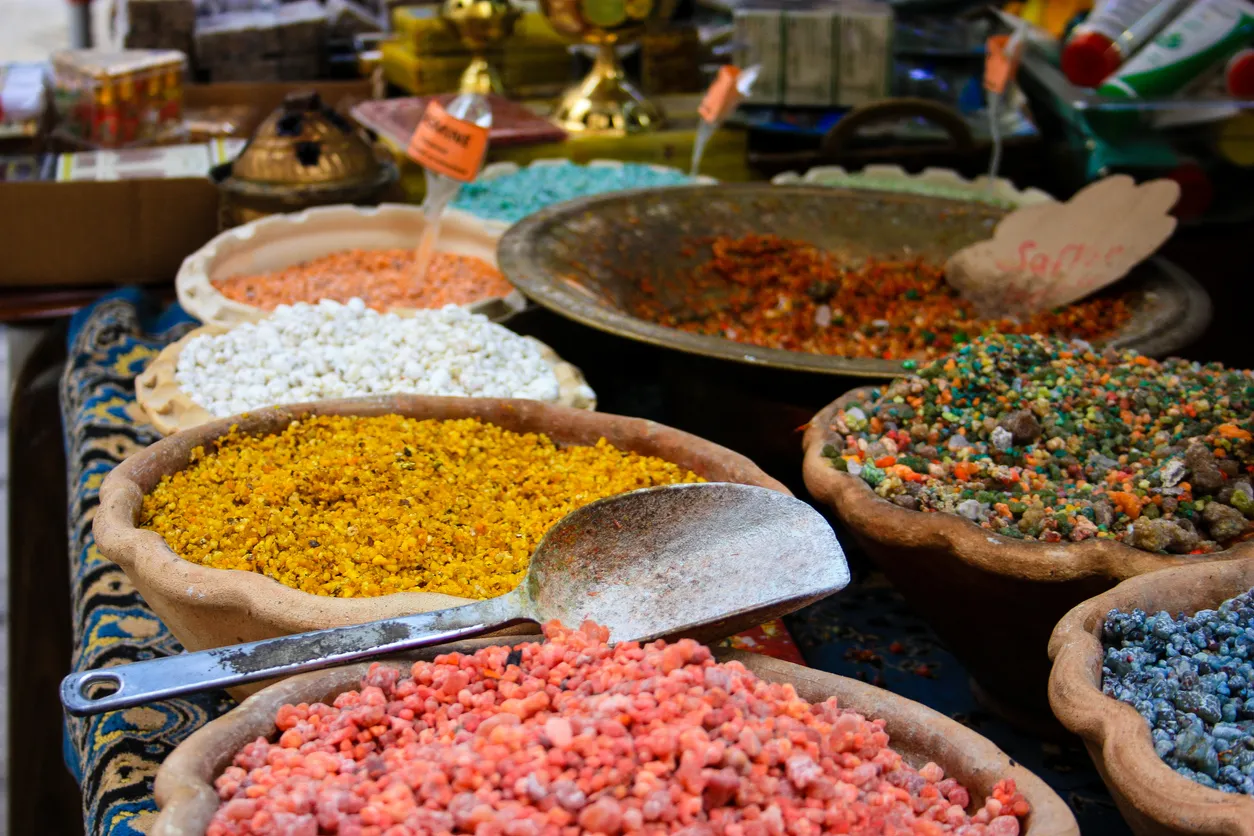
Aromatic treasures from across the Middle East
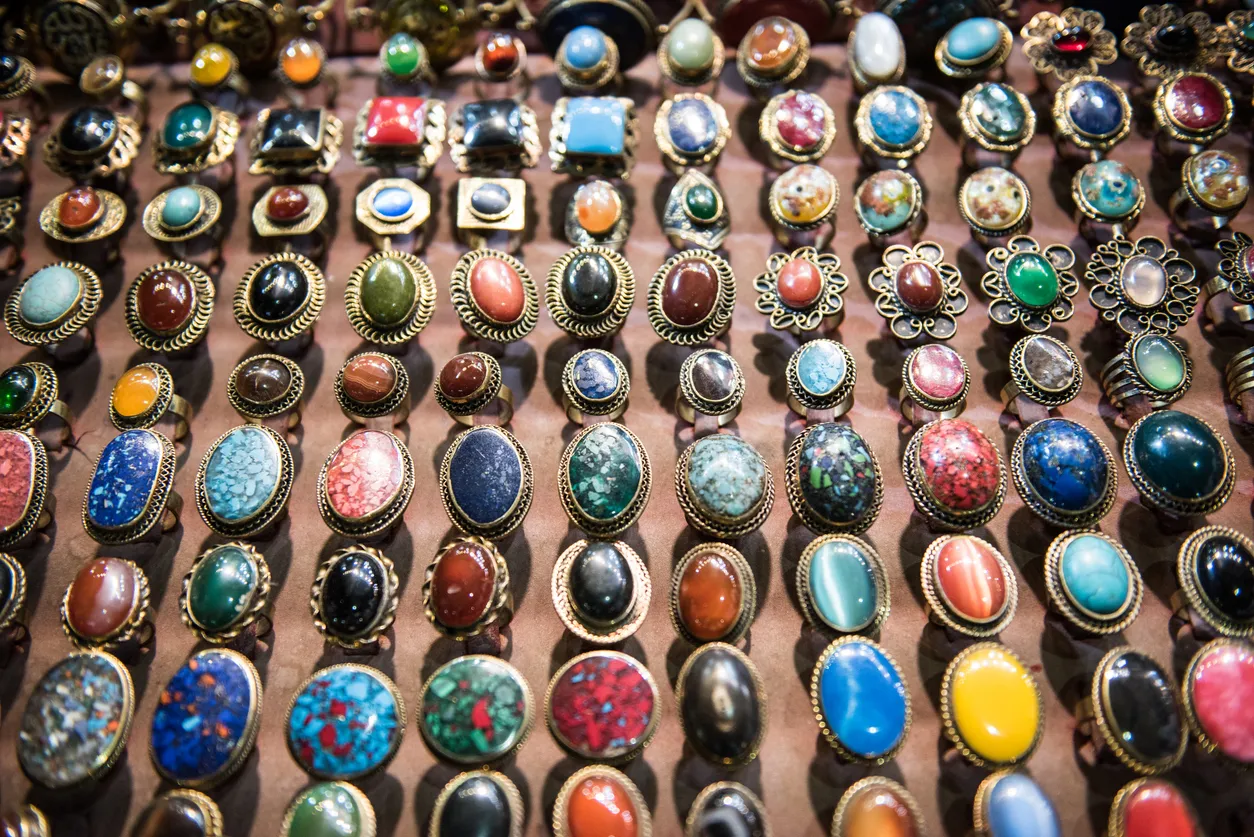
Handcrafted jewelry since medieval times
Cairo's oldest coffeehouse since 1773
Fine Egyptian cotton and traditional garments
Start at Al-Hussein Mosque and work your way through the main street. Download offline maps as GPS can be unreliable in narrow alleys.
Haggling is expected and part of the fun. Start at 40-50% of asking price, stay friendly, and be prepared to walk away.
Best light filters through the covered alleys mid-morning. Always ask permission before photographing people or shop interiors.
Discover the treasures of Islamic Cairo with professional guides who bring centuries of history to life through carefully curated experiences.
Journey through Cairo's religious heritage spanning 2,000 years. Visit the commanding Citadel fortress, explore Coptic Cairo's ancient churches, and discover Islamic architectural masterpieces.
Learn More →Immerse yourself in Cairo's Islamic heritage with this comprehensive private tour combining the majestic Citadel, Egyptian Museum treasures, and vibrant Khan el-Khalili bazaar.
Learn More →Discover 5,000 years of Egyptian history from Pharaonic to Islamic eras. Begin with the Royal Mummies Hall, then ascend to the Citadel for medieval military architecture and Ottoman grandeur.
Learn More →Everything you need to know for a successful visit to Islamic Cairo in 2026