By air
Luxor International Airport (LXR) is 6 km east of the city. Direct flights from Cairo (~1 h, ~$80) and seasonal European charters from Paris, London, Frankfurt.
Updated 2026 · Reviewed by local Egyptologists
Plan your Luxor trip with the Egyptologist team locals trust — 4,000 years of pharaonic history, 12 must-see sites, and private tours from $39, booked direct.
| Best time to visit | October to April (15–25 °C) — ideal for outdoor sites |
| Minimum stay | 2–3 days (1 day East Bank + 1 day West Bank + optional Dendera/Abydos) |
| Must-see sights | Valley of the Kings, Karnak Temple, Luxor Temple, Hatshepsut Temple |
| Daily budget | Budget €28–42 · Mid-range €60–120 · Luxury €200–500+ |
| Nearest airport | Luxor International Airport (LXR) — 6 km east of city |
| Currency | Egyptian Pound (EGP) — card widely accepted at hotels, cash for tickets |
| Safety | Very safe for tourists; dedicated tourist police at all major sites |
The best time to visit Luxor is October to April, when daytime highs sit between 20–28 °C and the temple sites are comfortable to walk. From May to September daytime highs regularly clear 40 °C, but hotel prices drop 30–50% and crowds thin out.
| Month | Avg High | Crowds | Verdict |
|---|---|---|---|
| January | 23 °C | Peak | Ideal weather, book 2–3 months ahead |
| February | 25 °C | Peak | Ideal; light jacket for evenings |
| March | 29 °C | High | Excellent; watch for occasional khamsin winds |
| April | 34 °C | Medium | Warm, fewer crowds, last good month |
| May–September | 38–42 °C | Low | Hot. Book early-morning tours; biggest hotel discounts |
| October | 34 °C | Medium | Warm; shoulder-season pricing returns |
| November | 28 °C | High | Excellent weather, balloon flights resume in force |
| December | 23 °C | Peak | Ideal; Christmas/New Year sells out 3+ months ahead |
Luxor International Airport (LXR) is 6 km east of the city. Direct flights from Cairo (~1 h, ~$80) and seasonal European charters from Paris, London, Frankfurt.
Cairo–Luxor sleeper trains (Watania, ~10 h, $100–120 return). The standard daytime express runs Cairo–Giza–Luxor in ~9 h for ~$25 first class.
Day trips and 2-day overnights run year-round (4-h drive each way). See Hurghada–Luxor tours →
3-, 4-, and 7-night cruises link Luxor with Aswan, stopping at Edfu and Kom Ombo. From $250 pp incl. board.
| Luxor | Cairo | Aswan | |
|---|---|---|---|
| Best for | Pharaonic temples & tombs | Pyramids, museums, city life | Nubian culture, Nile scenery |
| Min. stay | 2–3 days | 2 days | 1–2 days |
| Crowds | Medium | High | Low–Medium |
| Vibe | Open-air museum | Megacity energy | Slow Nile town |
Verdict: If you only have 4–5 days in Egypt, do Cairo + Luxor. With 7+ days, add Aswan and link Luxor and Aswan by Nile cruise.
Luxor, built on the site of ancient Thebes, served as the capital of Egypt during its most glorious period from around 2000 to 1000 BCE. This magnificent city along the Nile River houses the world’s most spectacular collection of ancient monuments, earning its reputation as the greatest open-air museum on Earth.
The city is naturally divided by the Nile into the East Bank (Land of the Living) and West Bank (Land of the Dead). The East Bank contains the temples of Karnak and Luxor, along with the modern city, hotels, and restaurants. The West Bank houses the royal necropolis including the Valley of the Kings, Valley of the Queens, and magnificent mortuary temples.
Luxor contains approximately one-third of the world’s most valuable ancient monuments and antiquities. The city’s temples and tombs showcase the pinnacle of ancient Egyptian art, architecture, and religious beliefs, with many structures remaining remarkably well-preserved despite being over 3,000 years old.
Recent archaeological discoveries continue to reveal new insights about ancient Egyptian civilization. The 2019 discovery of a golden city near the Valley of the Kings and ongoing excavations at Karnak Temple demonstrate that Luxor still holds many secrets waiting to be uncovered.
The entire Luxor area has been designated as a UNESCO World Heritage Site since 1979, recognizing its outstanding universal value to humanity. This status helps protect and preserve these irreplaceable monuments for future generations while maintaining their accessibility for education and cultural appreciation.
Explore 63 royal tombs including Tutankhamun’s burial chamber with original treasures and stunning wall paintings.
Walk through the largest religious complex ever built, featuring the Great Hypostyle Hall with 134 massive columns.
Marvel at the architectural masterpiece built by Egypt’s most successful female pharaoh into the cliffs at Deir el-Bahari.
Experience traditional felucca sailing or luxury river cruises between Luxor and Aswan with stunning river views.
Dry climate has preserved hieroglyphs, paintings, and sculptures in remarkable detail for thousands of years.
Qualified Egyptologists bring ancient history to life with fascinating stories and historical insights.
Winter months offer perfect weather for exploration, while summer provides fewer crowds and lower prices.
Capture stunning sunrise views over ancient temples and dramatic sunset silhouettes against the Nile.
Prices, tips and tour links for every must-see site, ranked by our local Egyptologists.
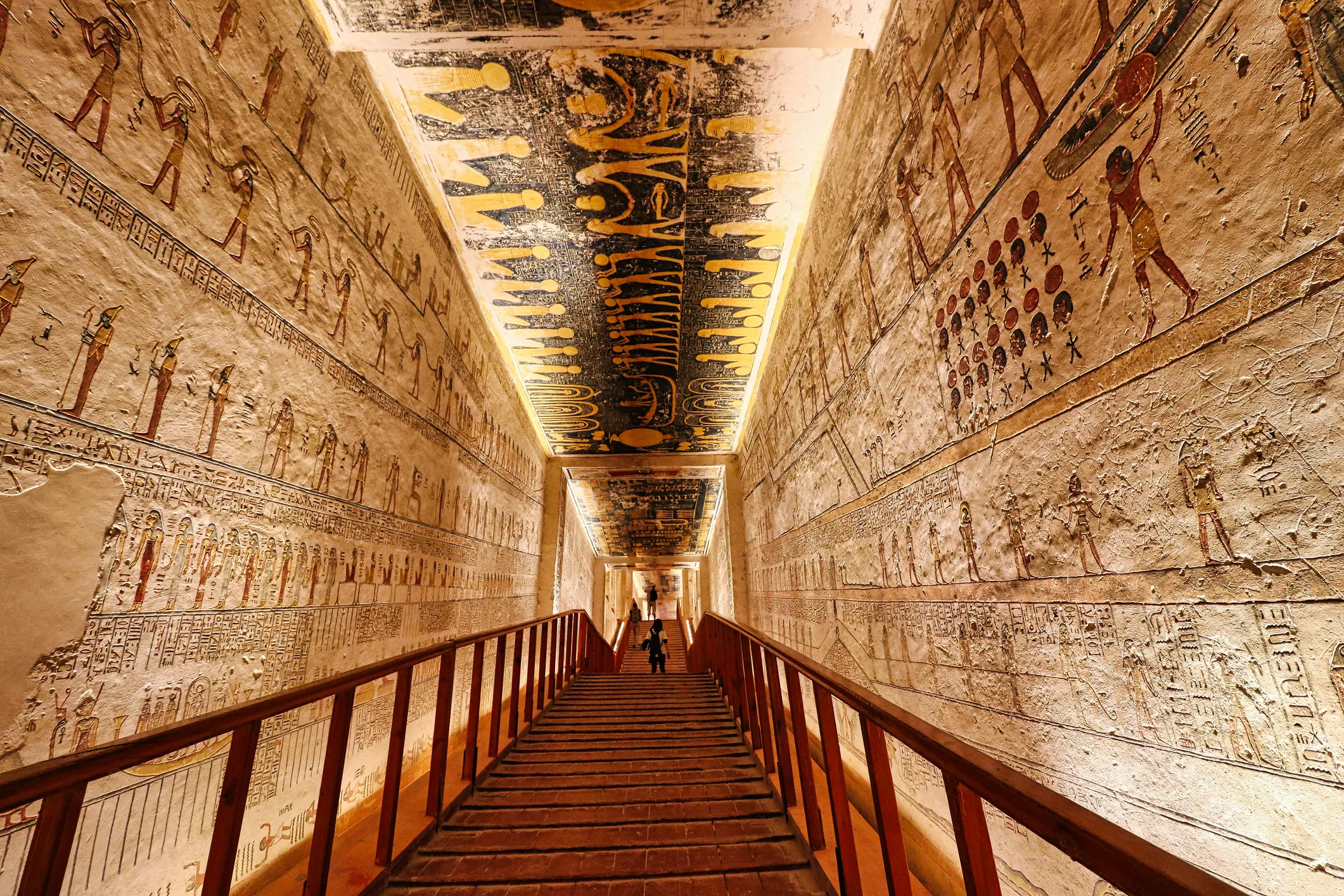
Explore the royal necropolis containing 63 tombs of pharaohs and nobles from the New Kingdom period (1550–1077 BCE), including the famous tomb of Tutankhamun.
500 EGP (3 tombs)
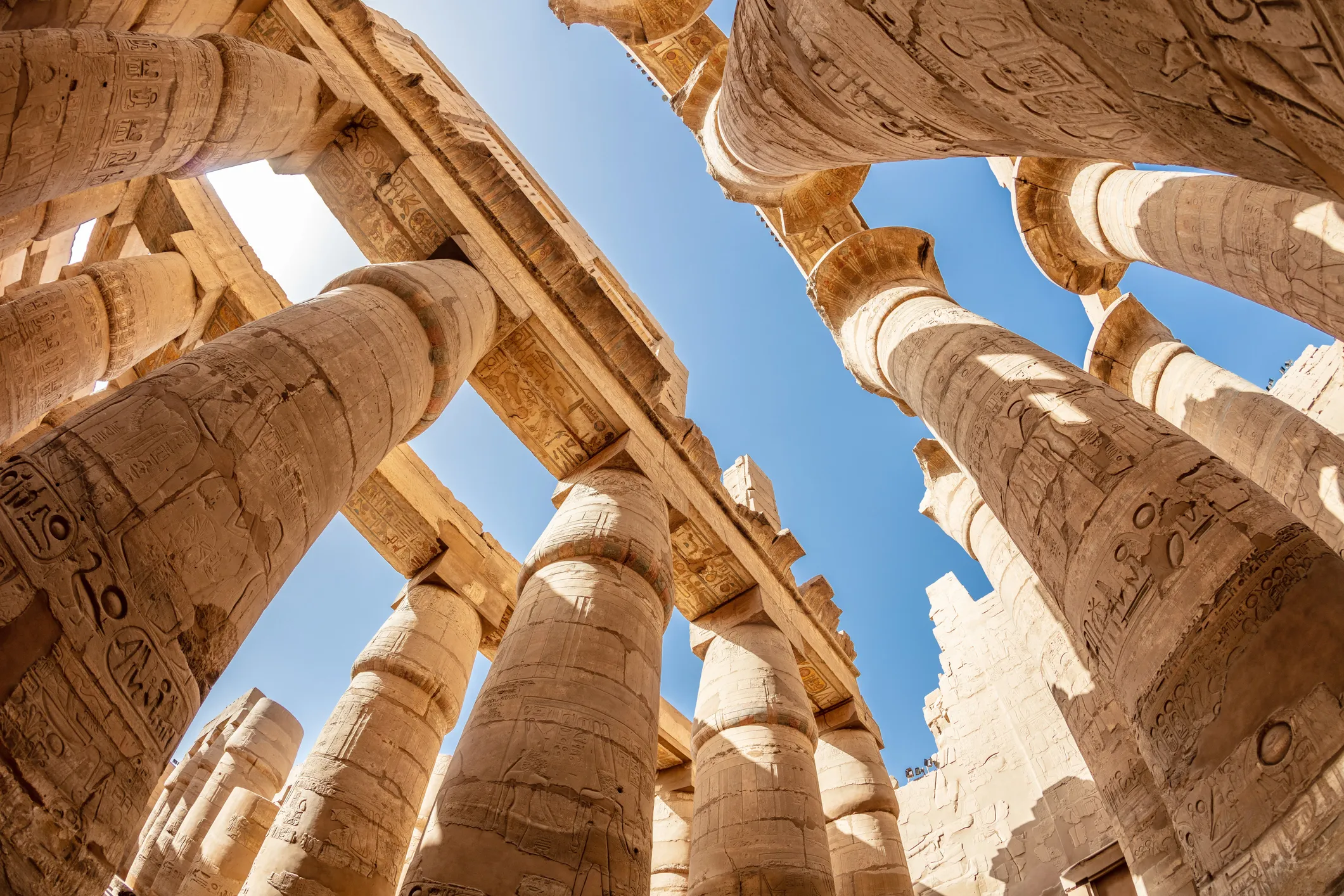
Walk through the largest religious complex ever built, dedicated to the Theban triad of Amun, Mut, and Khonsu, featuring the magnificent Great Hypostyle Hall with 134 massive columns.
300 EGP
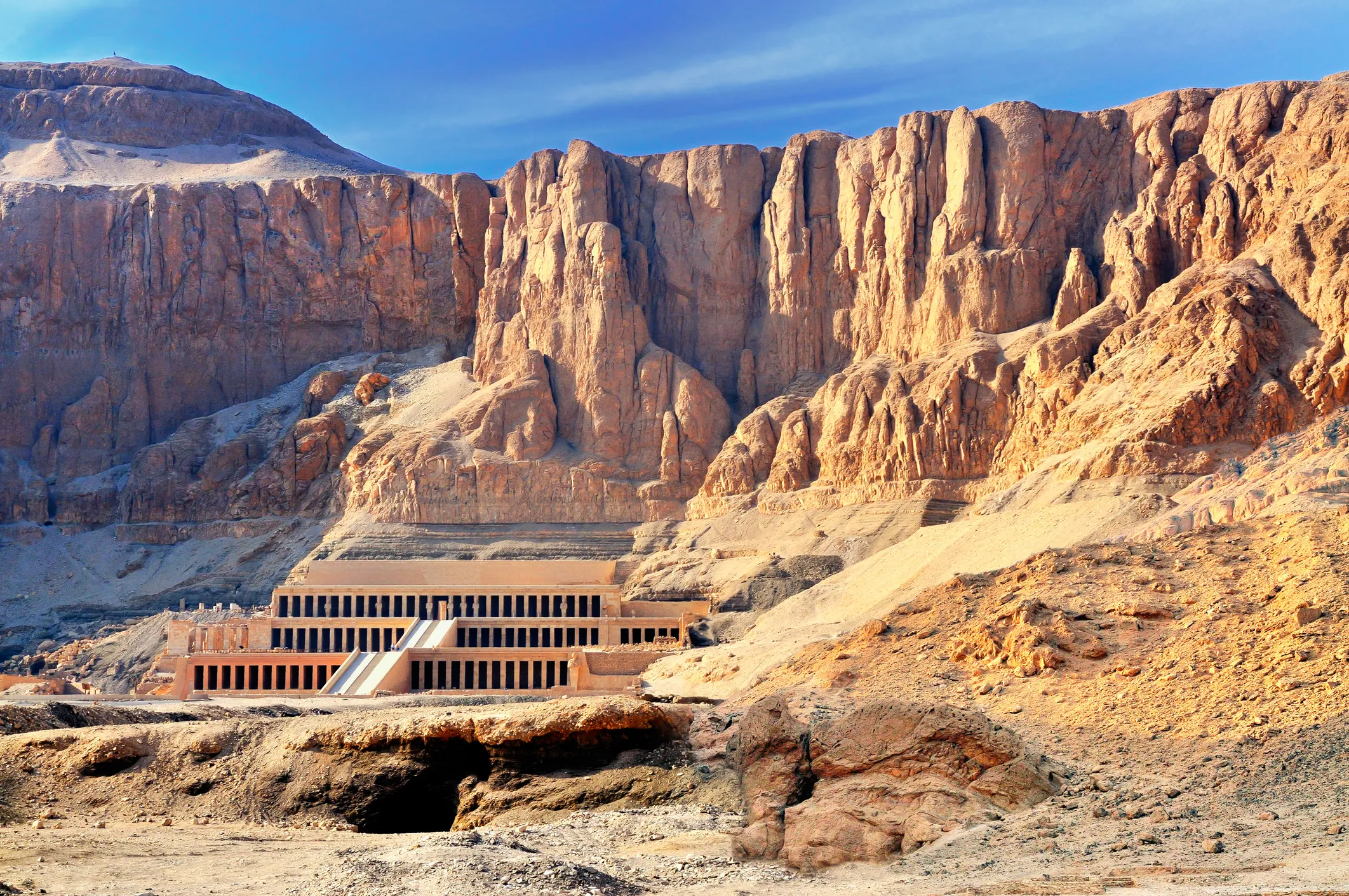
Marvel at the mortuary temple of Egypt’s most successful female pharaoh, featuring unique terraced architecture built into the dramatic cliffs at Deir el-Bahari.
140 EGP

Visit the ancient temple dedicated to the rejuvenation of kingship and the Opet Festival, connected to Karnak Temple by the historic Avenue of Sphinxes.
200 EGP

Discover the intact tomb of the boy king containing original treasures, golden artifacts, and the pharaoh’s mummy in its original burial chamber.
450 EGP (additional)
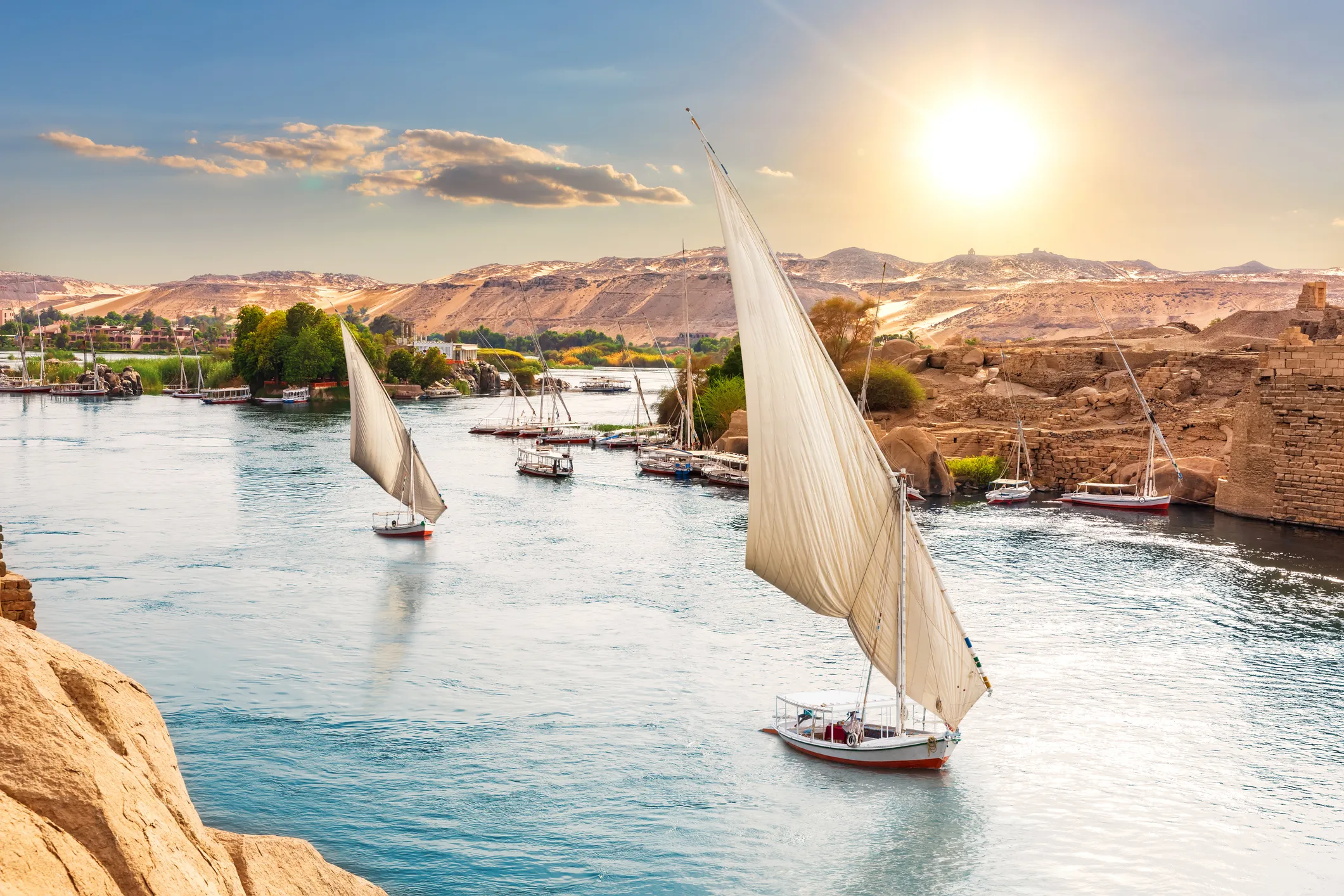
Experience traditional sailing on the eternal Nile River with sunset views over ancient temples and the West Bank mountains in these iconic wooden boats.
400–600 EGP / hour
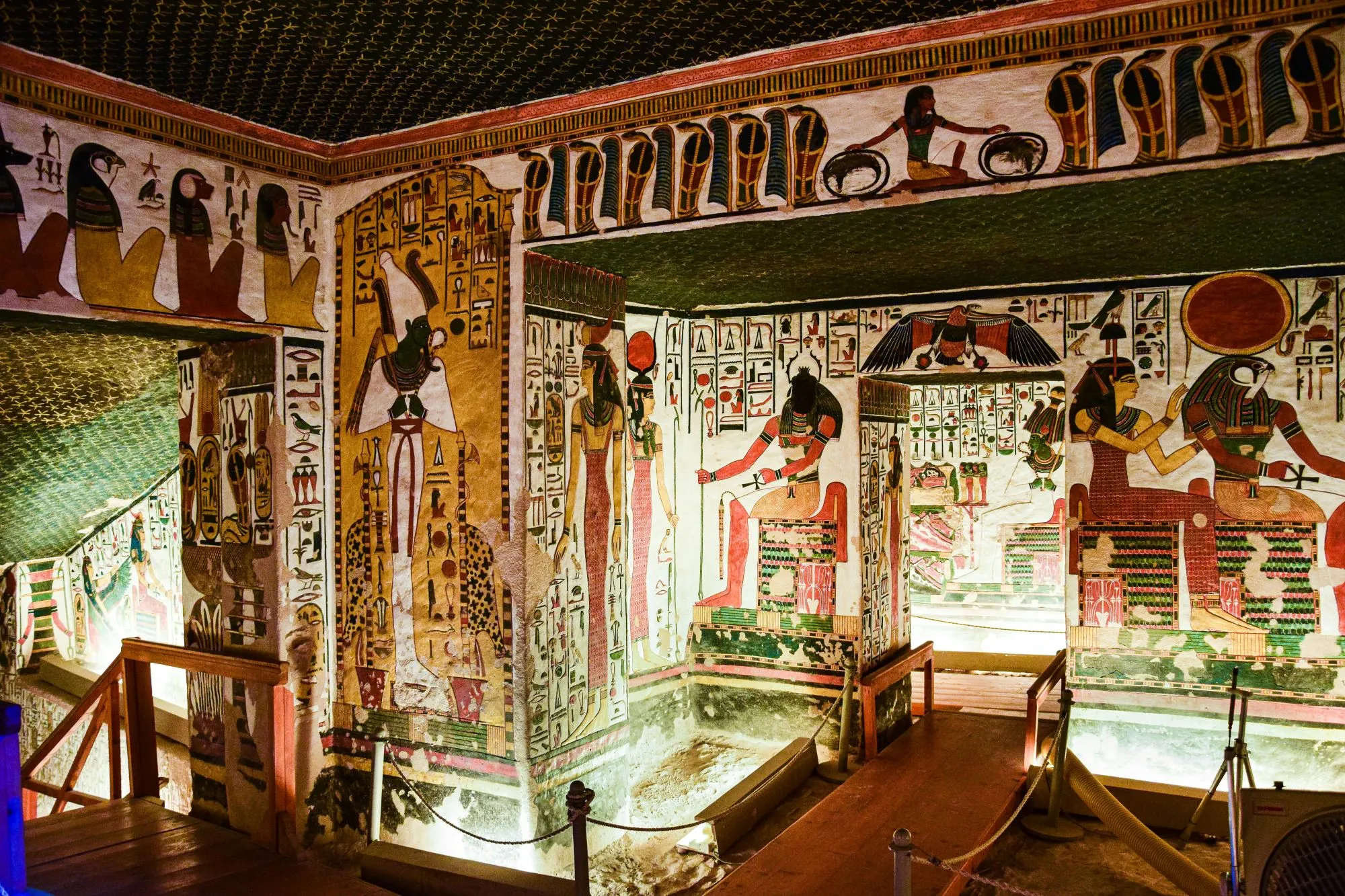
Visit the burial site of royal wives and children, featuring Queen Nefertari’s magnificently painted tomb called the “Sistine Chapel of Ancient Egypt.”
140 EGP

Explore Ramses III’s best-preserved mortuary temple featuring colorful reliefs, dramatic battle scenes, and some of Egypt’s finest ancient artwork.
100 EGP
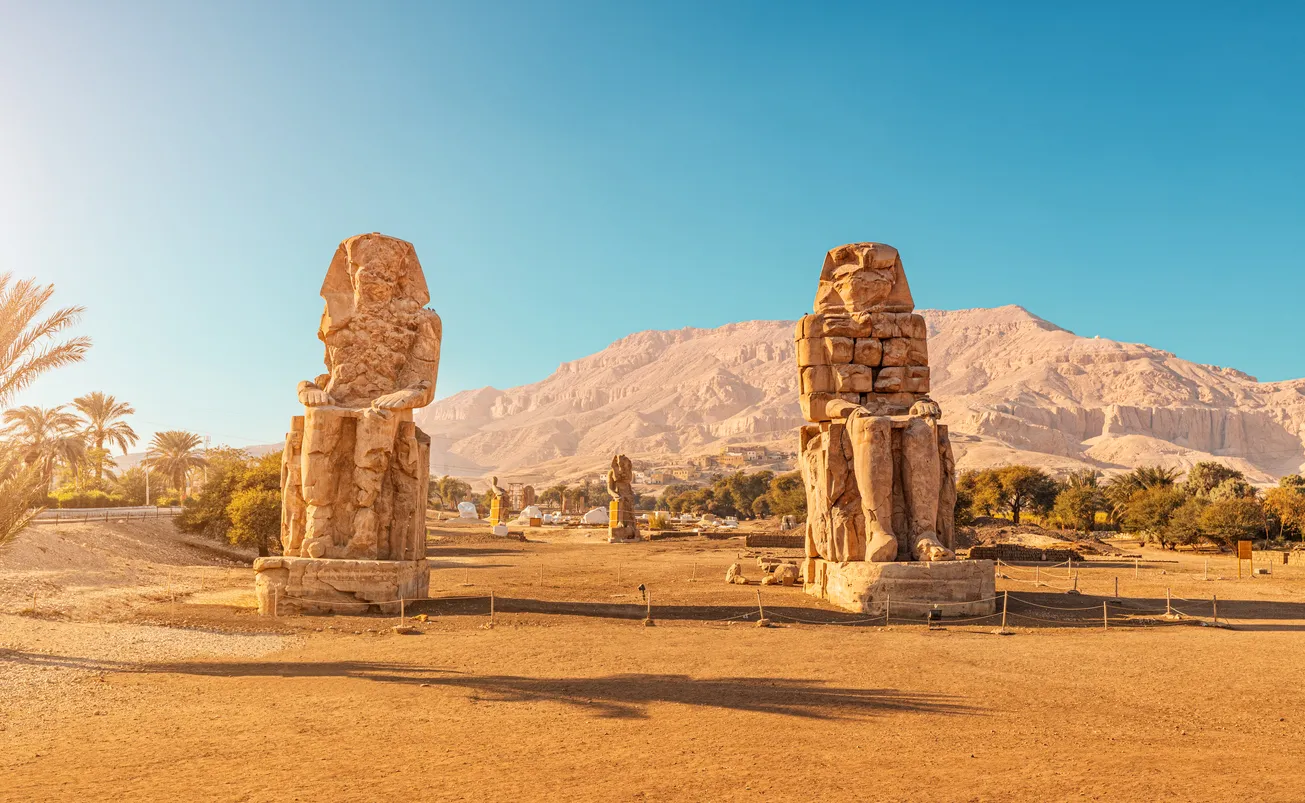
Marvel at the 18-metre tall twin statues of Amenhotep III that have stood as guardians of the Theban necropolis for 3,400 years, famous for their ancient “singing” at dawn.
Free
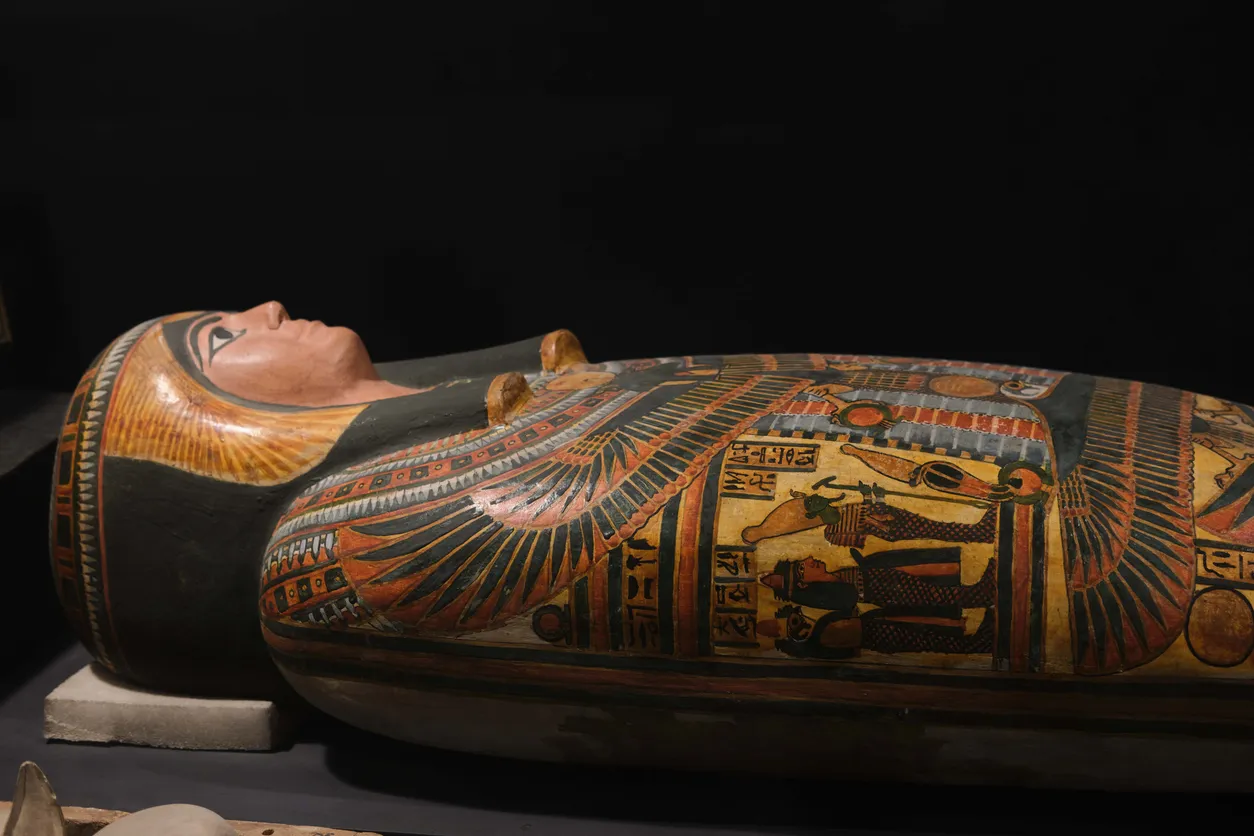
Discover world-class ancient Egyptian artifacts including treasures from Tutankhamun’s tomb, royal mummies, and masterpieces from local excavations in this modern museum.
200 EGP
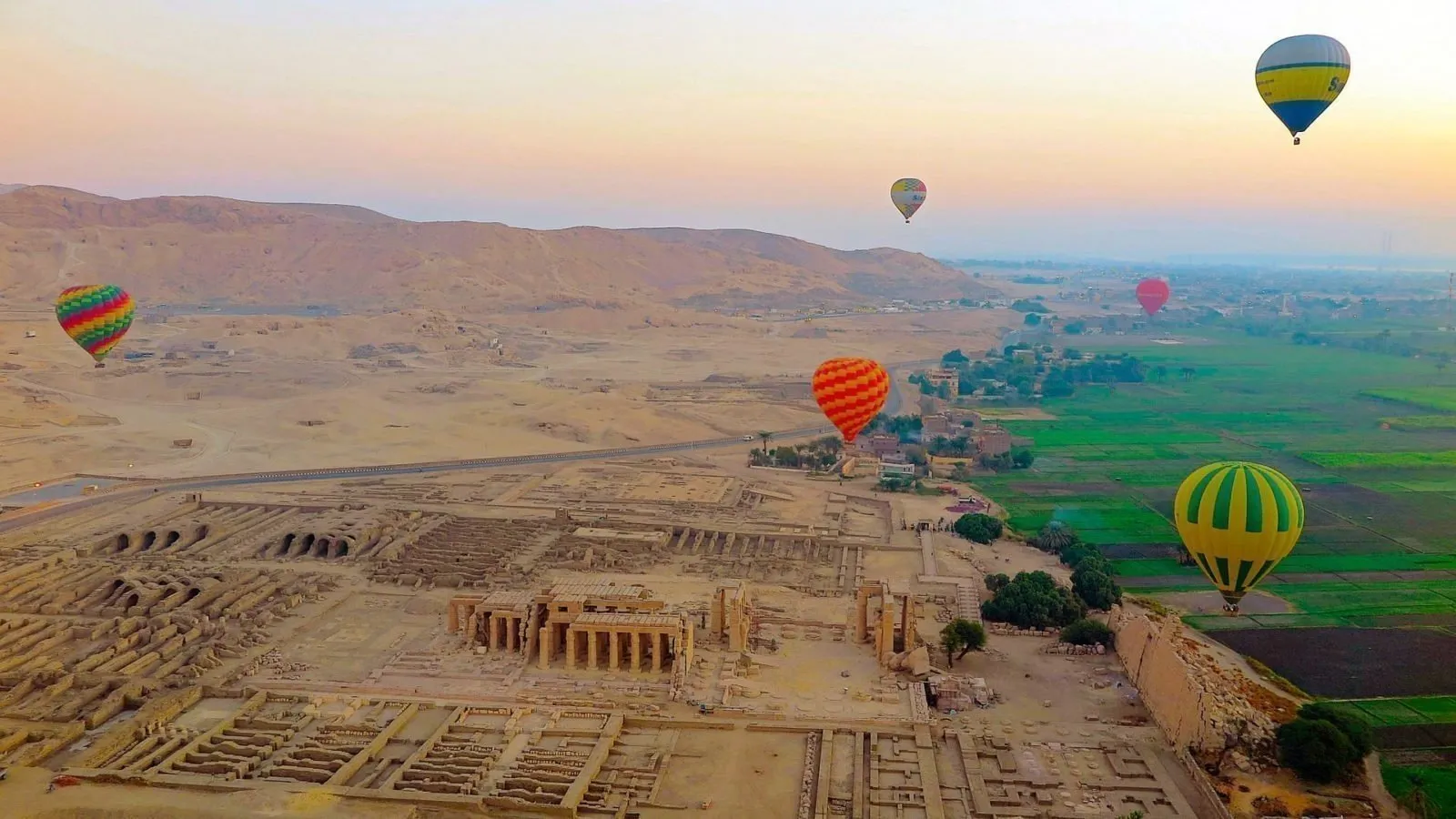
Soar above ancient monuments at sunrise for breathtaking aerial views of Luxor’s archaeological sites, the Nile Valley, and the dramatic contrast between fertile land and desert.
€60–100
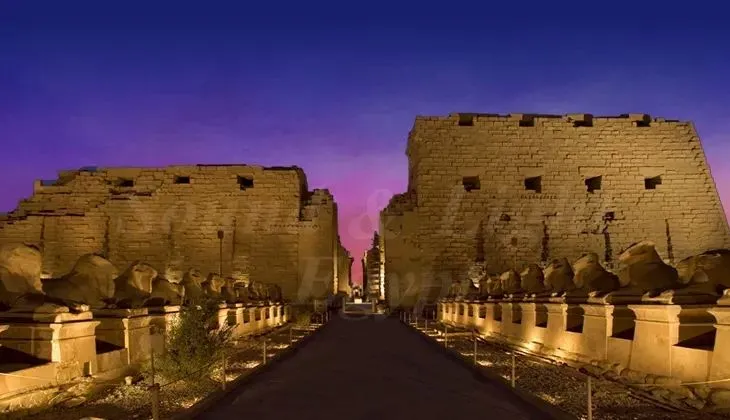
Experience Karnak Temple’s dramatic evening show bringing 4,000 years of ancient Egyptian history to life through spectacular lighting, music, and narration.
300–400 EGP
Contains Karnak and Luxor temples, modern city center, hotels, restaurants, and the Nile corniche. Start your Luxor exploration here with temples dedicated to the living pharaohs and gods, representing life, rebirth, and the rising sun.
Houses royal tombs, mortuary temples, and the Valley of the Kings. Ancient Egyptians associated the west with the afterlife, where the sun god Ra died each evening before rebirth, making it the perfect location for eternal rest.
East Bank’s crown jewel featuring the Great Hypostyle Hall with 134 massive columns covering 5,000 square meters. This vast religious complex was the most important temple in ancient Egypt, dedicated to Amun-Ra, king of the gods.
East Bank temple connected to Karnak by the ancient 2.7-kilometer Avenue of Sphinxes. Built for the Opet Festival celebrating the pharaoh’s divine kingship and the annual flooding of the Nile that brought life to Egypt.
West Bank royal necropolis with 63 discovered tombs including Tutankhamun (KV62), Ramses VI (KV9), and Seti I (KV17). The most famous burial ground in Egypt, hidden in the Theban mountains for protection from tomb robbers.
West Bank burial site for royal wives and children, featuring Queen Nefertari’s tomb (QV66) with the most beautiful painted reliefs in Egypt. Called “Ta-Set-Neferu” or “Place of Beauty” by ancient Egyptians.
West Bank mortuary temple of Ramses III (1186–1155 BCE), one of the best-preserved temples in Egypt. Features dramatic battle scenes depicting victories over the Sea Peoples and colorful reliefs showing the pharaoh’s military campaigns.
West Bank twin statues of Amenhotep III standing 18 meters tall, guardians of the Theban necropolis for 3,400 years. Famous in antiquity for their mysterious “singing” at dawn caused by temperature changes in the cracked stone.
West Bank village where the skilled workers and artists who built the royal tombs lived for over 400 years. Explore their remarkably preserved homes, beautifully decorated private tombs, and learn about daily life in ancient Egypt.
The recently restored 2.7-kilometer ceremonial road lined with sphinx statues that once connected Karnak and Luxor temples. Walking it today is one of Luxor’s most striking new experiences.
Discover our detailed guides to Luxor’s magnificent temples, royal tombs, and ancient monuments.
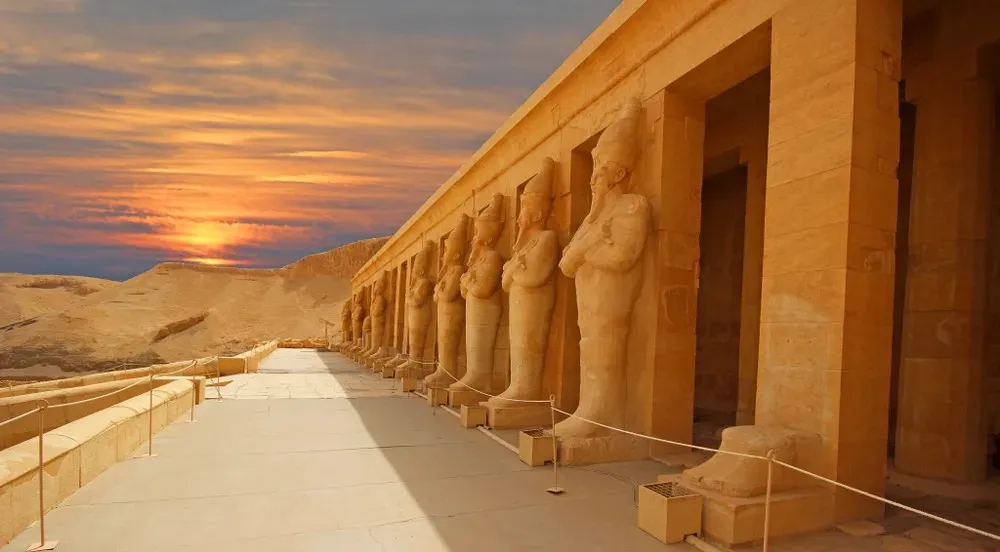
Explore the royal necropolis where 63 pharaohs and nobles were buried for over 500 years. This sacred valley on Luxor’s West Bank contains some of the most spectacular tombs ever discovered, including the famous burial chamber of Tutankhamun with its golden treasures.
Read full guide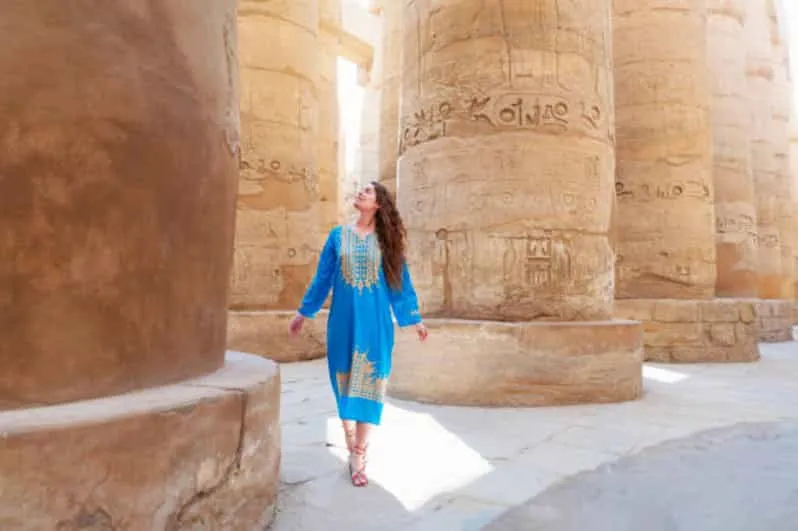
Discover the magnificent Karnak Temple Complex, built over 2,000 years by successive pharaohs. The spectacular Great Hypostyle Hall with 134 massive columns, numerous sanctuaries, and an impressive Sacred Lake make this one of Egypt’s most awe-inspiring ancient sites.
Read full guide
Explore the magnificent mortuary temple dedicated to Queen Hatshepsut, one of Egypt’s most successful rulers. Built into the cliffs at Deir el-Bahari, this distinctive terraced structure features remarkable colonnades and beautifully preserved reliefs telling the story of her divine birth and trading expeditions.
Read full guideEgyptologist-led tours from $39, including pickup from your hotel and skip-the-line tickets.
Temp: 15–28°C · Crowds: Very High · Humidity: Low
Temp: 25–40°C · Crowds: Medium–High
Temp: 35–50°C · Crowds: Very Low
Temp: 25–35°C · Crowds: Medium–High
Expertly crafted itineraries for different travel styles and time frames.
| Time | Activity | Details |
|---|---|---|
| 5:30 AM | Early start & hotel pickup | Early pickup to make the most of cooler morning temperatures and avoid crowds. |
| 6:00 AM | Valley of the Kings | Visit 3 royal tombs including Tutankhamun’s tomb. Explore the ancient royal necropolis and learn about pharaonic burial customs. |
| 8:30 AM | Temple of Hatshepsut | Marvel at the terraced mortuary temple built into the dramatic cliffs of Deir el-Bahari. |
| 10:00 AM | Colossi of Memnon | Quick photo stop at the massive 18-metre tall statues that have guarded Thebes for 3,400 years. |
| 11:00 AM | Return to East Bank & lunch | Cross the Nile back to East Bank and enjoy traditional Egyptian lunch. |
| 2:00 PM | Karnak Temple Complex | Explore the world’s largest religious complex with the magnificent Great Hypostyle Hall and sacred lake. Allow 2–3 hours. |
| 5:00 PM | Luxor Temple | Visit the beautiful temple dedicated to the Opet Festival, connected to Karnak by the ancient Avenue of Sphinxes. |
| 6:30 PM | Sunset Nile walk | Stroll along the Nile Corniche to watch the sunset over the river. |
| Time | Activity | Details |
|---|---|---|
| 6:00 AM | Valley of the Kings | Comprehensive exploration of royal tombs including Tutankhamun, Ramses VI, and Seti I (if available). |
| 9:00 AM | Valley of the Queens | Visit Queen Nefertari’s tomb (if budget allows) or other beautiful queens’ tombs. |
| 11:00 AM | Temple of Hatshepsut | Extended visit to explore all three terraces and learn about the female pharaoh’s achievements. |
| 1:00 PM | Lunch & rest | Traditional Egyptian lunch at West Bank restaurant. |
| 3:00 PM | Medinet Habu Temple | Explore Ramses III’s well-preserved mortuary temple with colorful reliefs and battle scenes. |
| 5:00 PM | Colossi of Memnon & return | Photo opportunity at the famous statues before returning to East Bank. |
| Time | Activity | Details |
|---|---|---|
| 8:00 AM | Karnak Temple Complex | Extensive exploration of the world’s largest religious site. Visit the Great Hypostyle Hall, Sacred Lake, and various chapels. |
| 11:30 AM | Luxor Museum | World-class collection of ancient Egyptian artifacts including treasures from Tutankhamun’s tomb. |
| 1:00 PM | Lunch break | Lunch at restaurant with Nile views. |
| 3:00 PM | Luxor Temple | Explore the temple dedicated to the Opet Festival. |
| 5:00 PM | Felucca Nile cruise | Traditional sailing boat experience on the Nile with sunset views. |
| 7:30 PM | Sound & Light Show (optional) | Evening show at Karnak Temple bringing ancient Egyptian history to life. |
| Time | Activity | Details |
|---|---|---|
| 5:30 AM | Hot air balloon (optional) | Sunrise views over Luxor’s ancient monuments — unforgettable aerial perspective of the Valley of Kings. |
| 8:00 AM | Valley of the Kings — extended | Visit 4–5 tombs including Tutankhamun, Ramses VI, Seti I, and other accessible royal tombs. |
| 11:00 AM | Valley of the Queens | Visit Queen Nefertari’s magnificent tomb (additional fee) and other queens’ tombs. |
| 1:00 PM | Traditional lunch | Authentic Egyptian meal at West Bank restaurant. |
| 3:00 PM | Temple of Hatshepsut | Comprehensive exploration including upper levels and reliefs depicting the divine birth and Punt expedition. |
| 5:00 PM | Deir el-Medina | Visit the village where the craftsmen who built the royal tombs lived. |
| Time | Activity | Details |
|---|---|---|
| 8:00 AM | Karnak Temple — in-depth | 3–4 hour exploration including Great Hypostyle Hall, Temple of Khonsu, Sacred Lake, and hidden chapels. |
| 12:00 PM | Lunch & rest | Midday break at air-conditioned restaurant. |
| 2:00 PM | Luxor Museum | World-class collection including Tutankhamun artifacts and royal mummies. |
| 4:00 PM | Mummification Museum | Learn about ancient Egyptian mummification processes with actual mummies and tools. |
| 5:30 PM | Luxor Temple | Evening visit to the beautifully illuminated temple. |
| 7:30 PM | Nile Corniche stroll | Evening walk along the Nile with views of illuminated temples. |
Visit two of Egypt’s most beautiful temples — Dendera’s Hathor Temple with zodiac ceiling and Abydos Temple with exquisite reliefs.
High Dam, Philae Temple, Nubian villages, and the famous Abu Simbel temples — one of the most popular full-day trips from Luxor.
Hotel pool, spa treatments, and souvenir shopping.
Pottery workshop, traditional cooking class, and local market tour.
| Time | Activity | Details |
|---|---|---|
| 5:00 AM | Private hot air balloon with champagne | Exclusive flight with professional photographer, champagne breakfast, and private transport. Limited to 8 people max. |
| 8:30 AM | Private Valley of Kings tour | Access to 5+ tombs including Tutankhamun and Seti I with private Egyptologist guide. Skip all lines with VIP tickets. |
| 11:00 AM | Exclusive Nefertari Tomb access | Private viewing of the most beautiful tomb in Egypt. |
| 1:00 PM | Gourmet lunch at luxury resort | Five-star dining experience with international cuisine and Nile views, followed by spa relaxation time. |
| 4:00 PM | Private Hatshepsut Temple | After-hours access with special lighting and photography permissions. |
| 7:00 PM | Sunset cocktails & dinner | Private rooftop dining with panoramic views of the Valley of Kings and traditional entertainment. |
| Time | Activity | Details |
|---|---|---|
| 6:00 AM | Public ferry & local transport | Take the local ferry (5 EGP) across the Nile and share a taxi or rent bicycles. Budget: €5–10. |
| 7:00 AM | Valley of Kings (general ticket) | Visit 3 included tombs with general ticket (500 EGP). Skip expensive add-ons. |
| 10:00 AM | Free Colossi of Memnon | Photo stop at the famous statues — completely free. |
| 11:00 AM | Temple of Hatshepsut | Standard entrance ticket (140 EGP). Walk up instead of taking tourist train. |
| 1:00 PM | Local restaurant lunch | Eat where locals eat — try traditional koshari or ful medames. Budget: €3–5. |
| 3:00 PM | Self-guided return | Return to East Bank via public ferry and explore Luxor Temple area on foot. |
Transport €5–10 · Attractions €15–20 · Food €8–12 · Total Day 1: €28–42 per person
From luxury Nile-view hotels to budget guesthouses — find your perfect base.
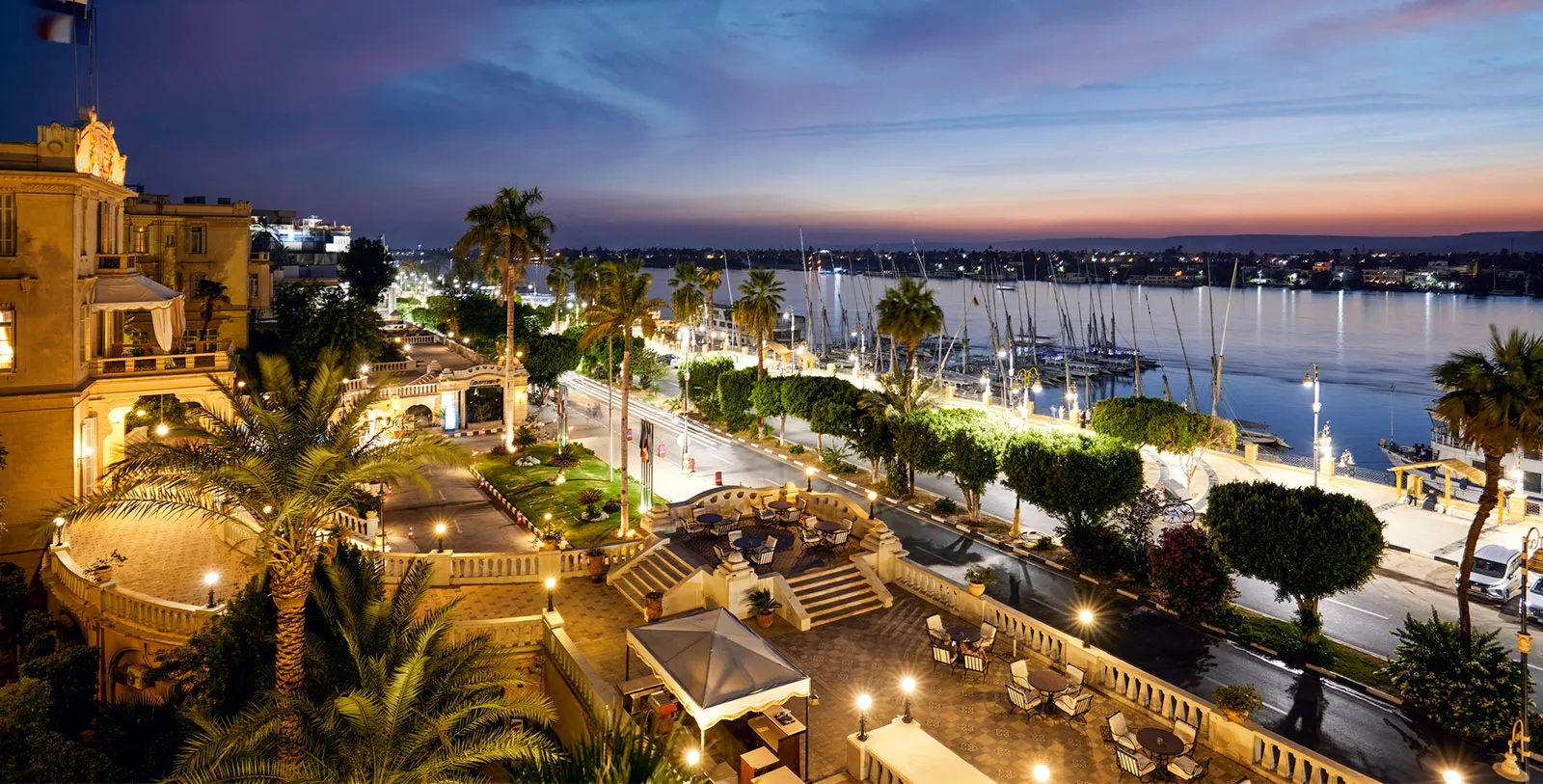
Luxury €200–400
East Bank — Nile Corniche
Historic 1886 palace hotel with legendary Old Winter Palace charm. Stunning Nile views, lush gardens, and world-class service. Perfect for luxury travelers seeking authentic Egyptian hospitality.
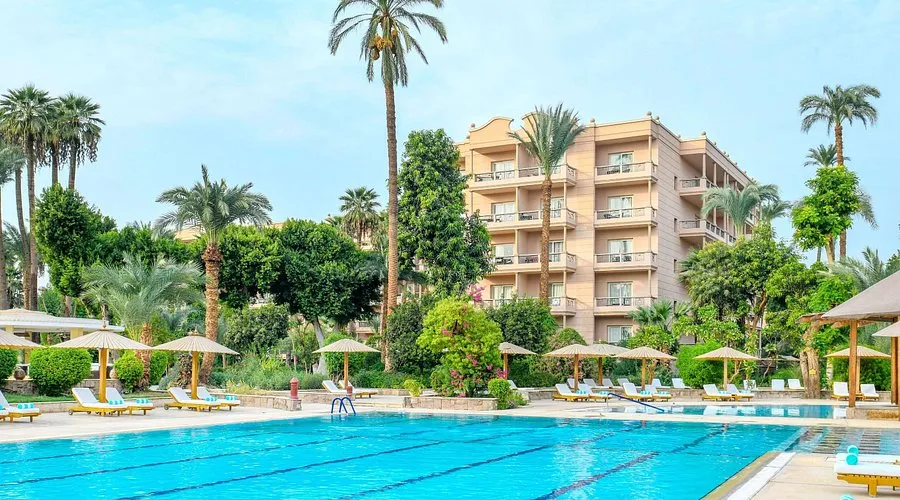
Luxury €150–300
East Bank — Corniche
Contemporary luxury resort with spacious rooms, multiple swimming pools, and beautiful gardens. Modern amenities with traditional Egyptian design elements.
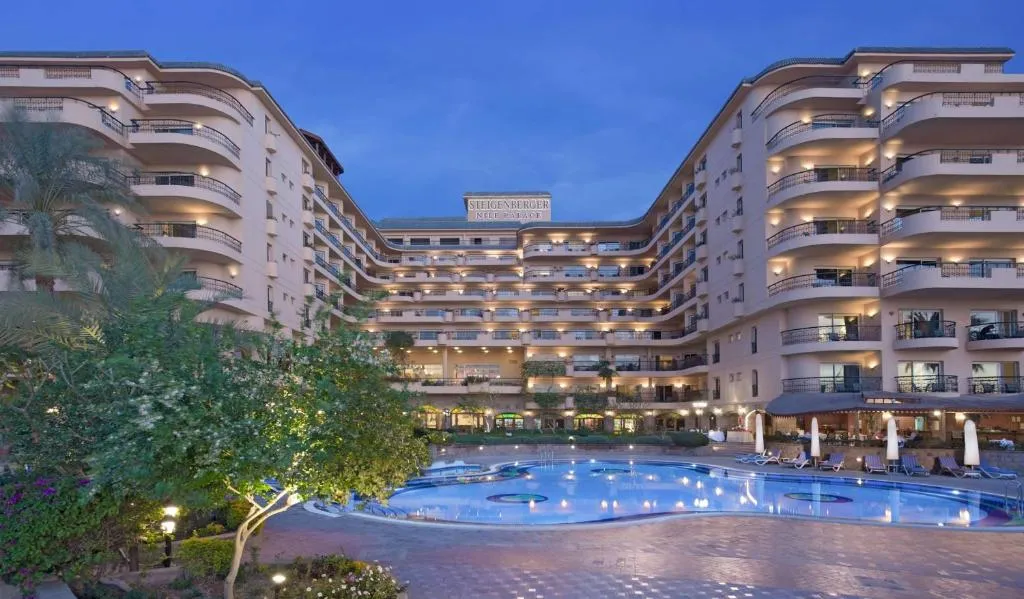
Mid-Range €80–150
East Bank — Near Luxor Temple
Excellent mid-range choice with comfortable rooms, rooftop pool, and prime location near Luxor Temple. Great value for money with professional service.
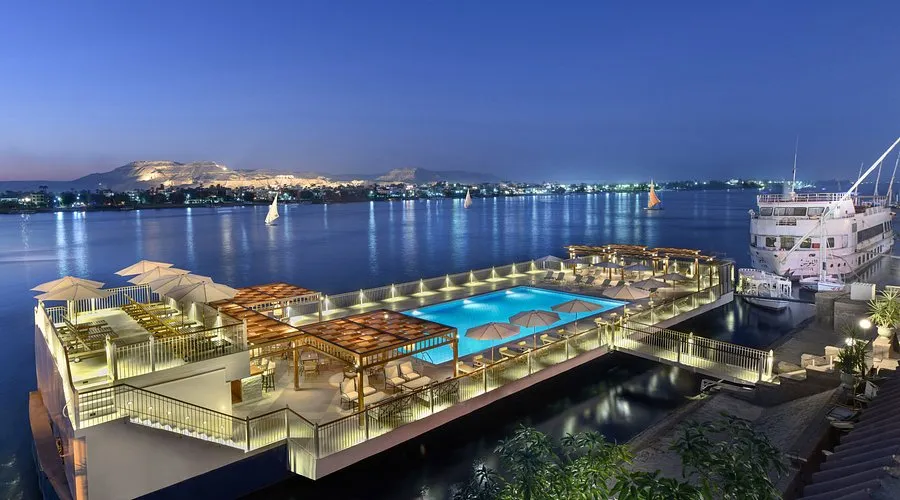
Mid-Range €60–120
East Bank — Tourist Area
Reliable mid-range hotel popular with tour groups and families. Clean, comfortable rooms with good facilities and helpful tour organization services.
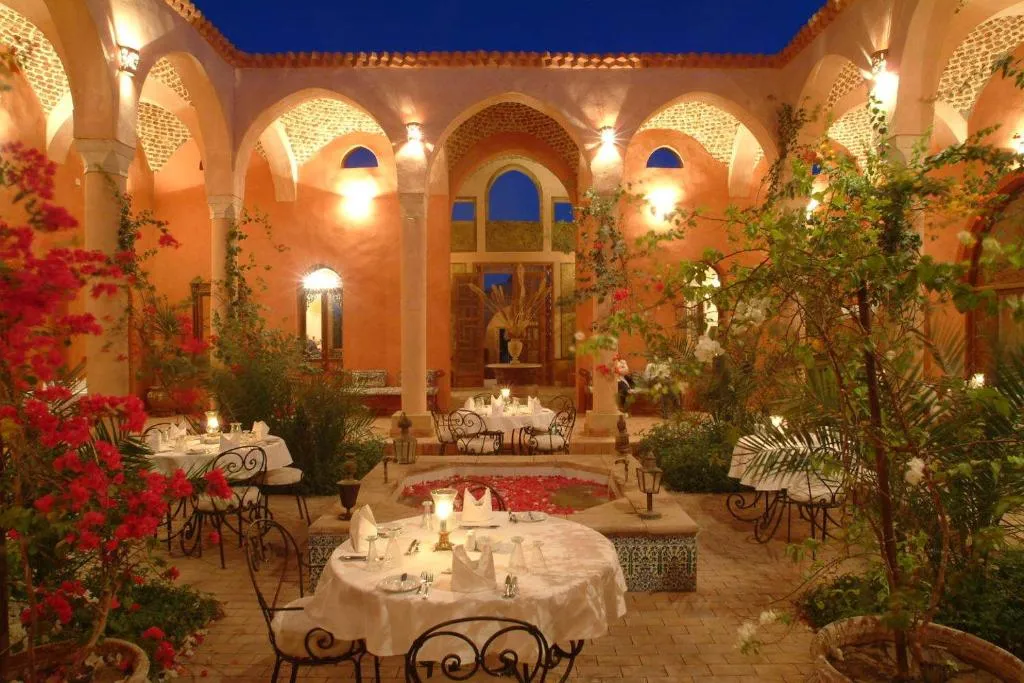
Boutique €180–350
West Bank — Near Valley of Kings
Extraordinary boutique hotel on the West Bank with unique architecture and design. Peaceful location near ancient tombs with exceptional artistic details throughout.
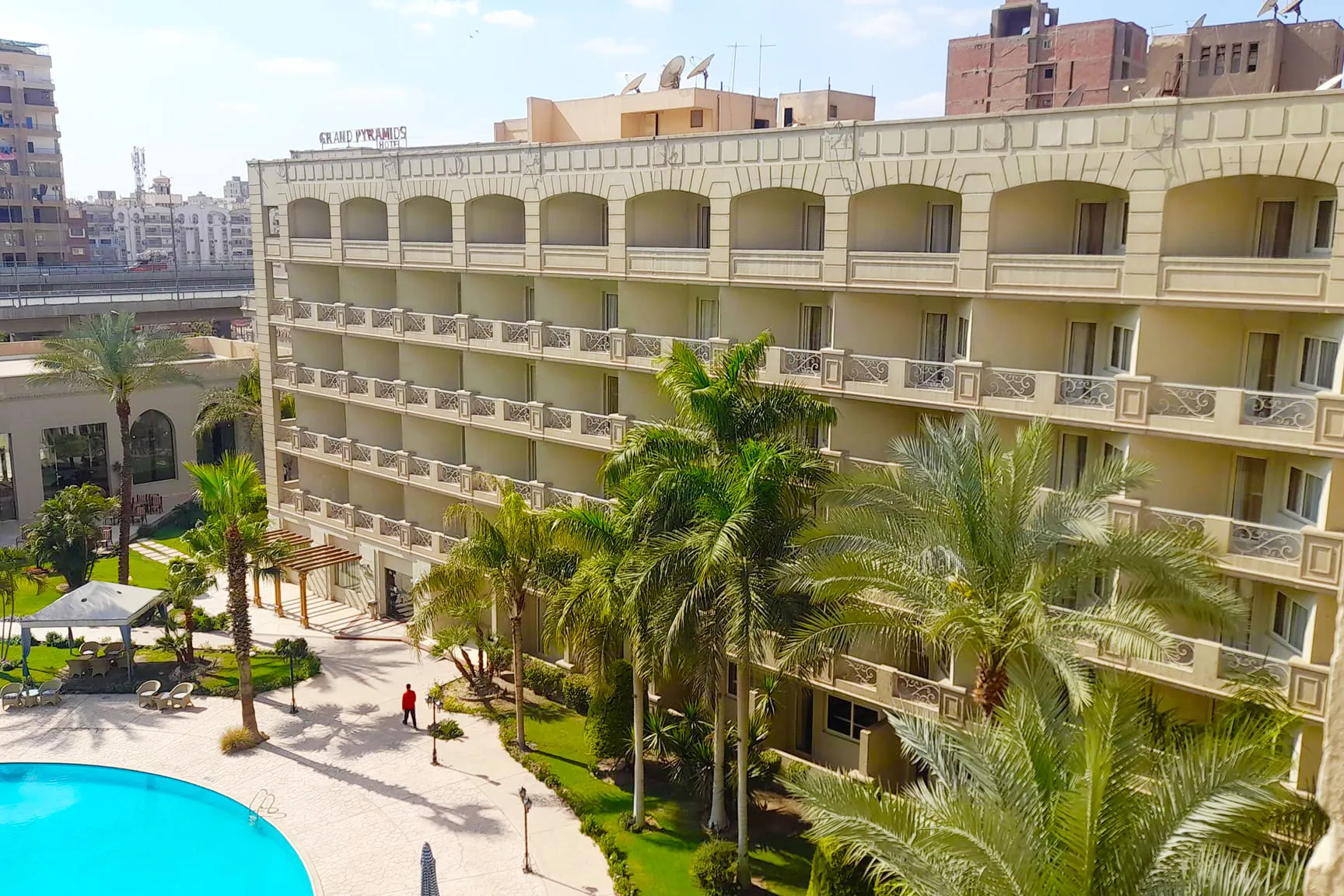
Budget €25–50
East Bank — Near Station
Excellent budget option with clean, air-conditioned rooms and helpful staff. Great value for money with basic amenities and good location for exploring Luxor.
Near Luxor Temple and Karnak. Best for first-time visitors with easy access to restaurants, shops, and main attractions.
Premium location with river views. Perfect for romantic stays and luxury experiences with easy Nile access.
Peaceful and unique. Ideal for travelers wanting to be near the tombs and experience rural Egyptian life.
Budget-friendly area with local markets, authentic restaurants, and easy transport access to all attractions.
Discover authentic Egyptian flavors and the best restaurants in Luxor.
Egypt’s national dish with rice, lentils, pasta, and spicy tomato sauce.
Traditional fava bean stew, perfect for breakfast.
Green soup made from jute leaves, often served with rice.
Stuffed vegetables (peppers, cabbage, vine leaves) with rice and herbs.
Crispy fried fava bean patties, served in pita bread.
Marinated meat wrapped in warm flatbread with vegetables.
Traditional Egyptian flatbread, freshly baked throughout the day.
Sweet layered dessert with cream and pistachios.
Strong black tea sweetened with sugar, served in small glasses.
Hibiscus tea, served hot or cold, rich in vitamin C.
Apricot juice, especially popular during Ramadan.
Strong, unfiltered coffee served in small cups.
Luxury €€€€
Elegant fine dining at the Old Winter Palace with Nile views. Perfect for special occasions with excellent service and atmosphere.
Local Favorite €€
Authentic Egyptian cuisine in a traditional setting. Famous for their koshari, grilled meats, and mezze platters.
Temple Views €€
Rooftop terrace dining with temple views. Great for sunset dinners with a mix of Egyptian and international dishes.
Entertainment €€€
Unique dining experience on a floating restaurant. Enjoy dinner cruises with entertainment and Nile views.
All Day €
Traditional Egyptian coffee house atmosphere. Perfect for breakfast, light meals, and trying local sweets.
Garden Setting €€
West Bank dining with garden setting. Popular with tourists visiting Valley of Kings, serving fresh Egyptian cuisine.
Best spots, timing, and techniques for stunning photos of Luxor’s monuments.
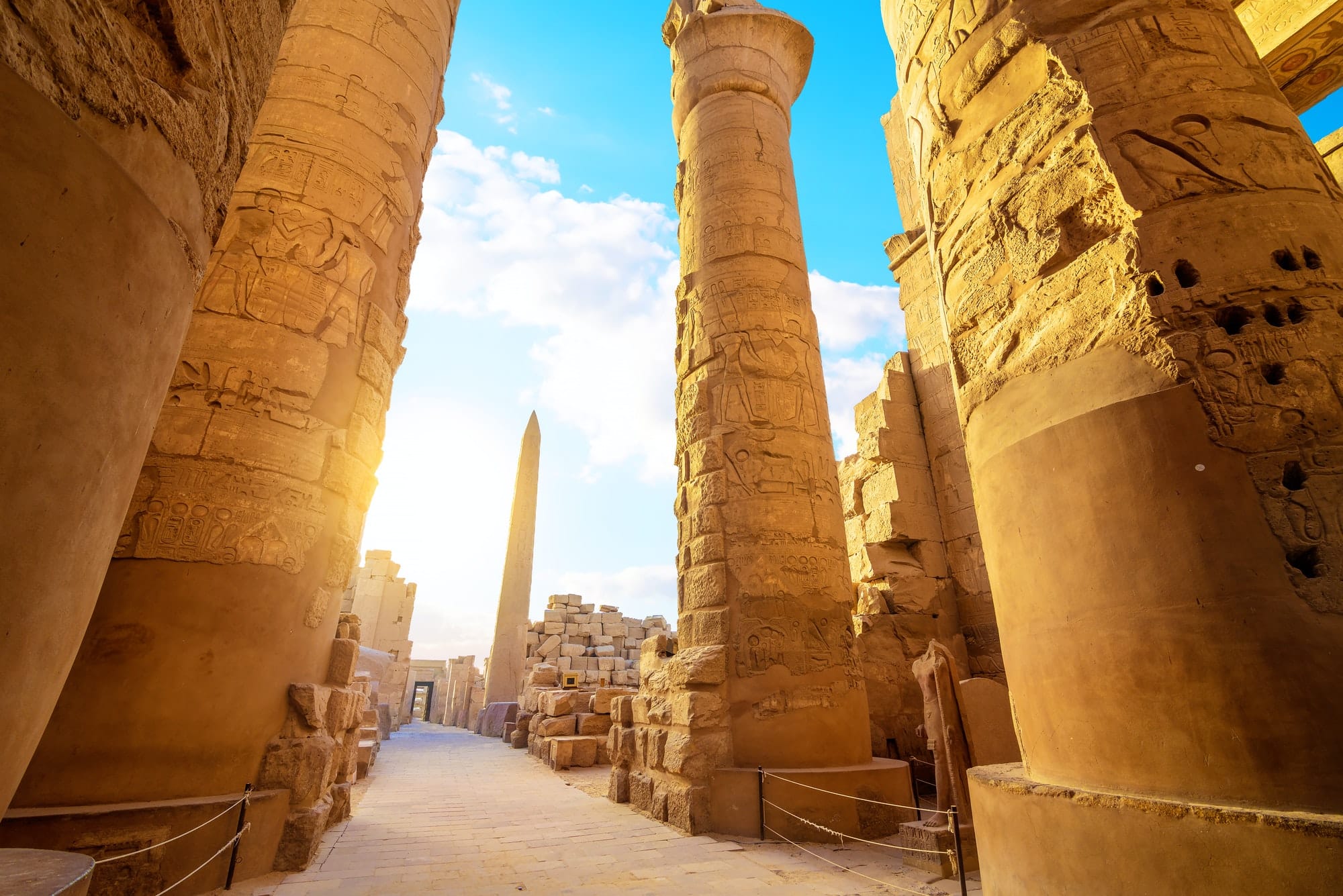
Dramatic lighting through the Great Hypostyle Hall columns creates magical shadows and golden tones.
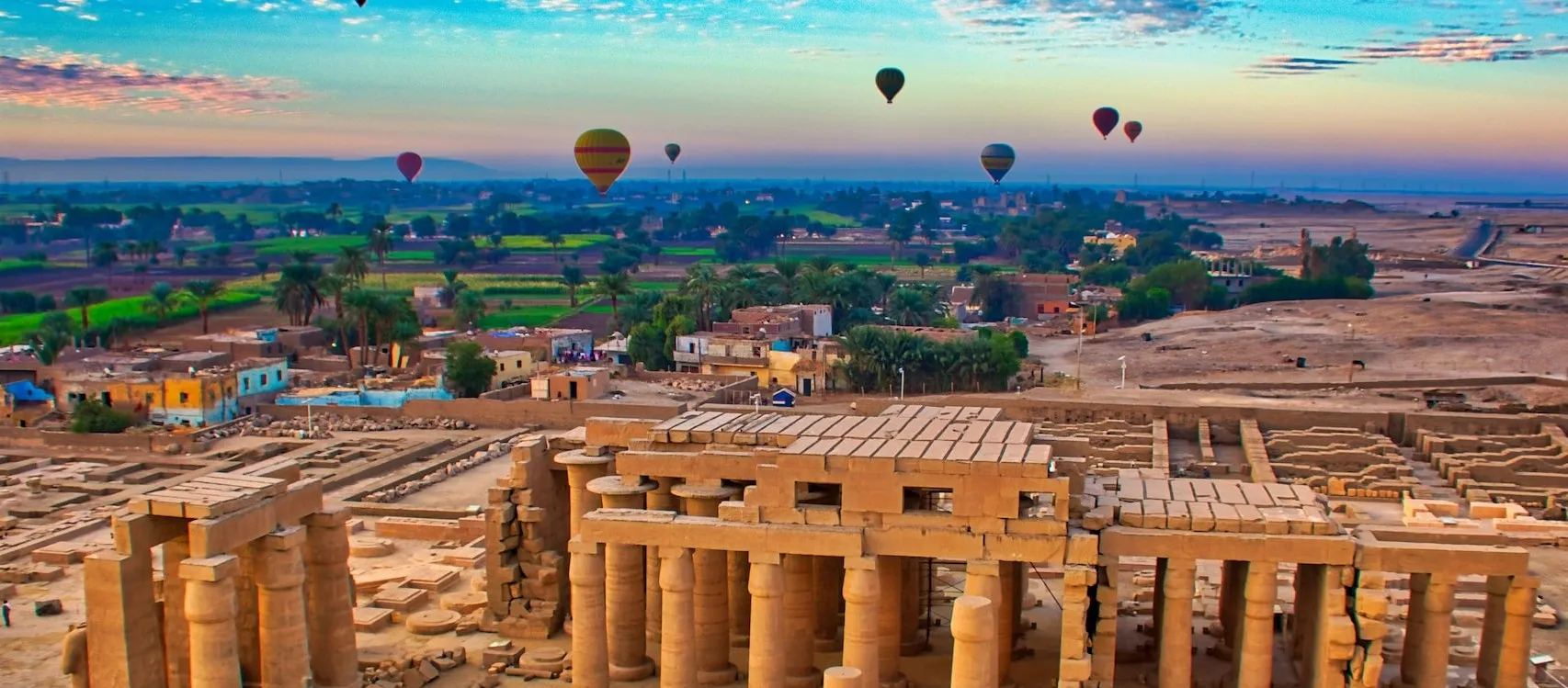
Breathtaking aerial perspective of the Valley of Kings and Hatshepsut Temple from above.
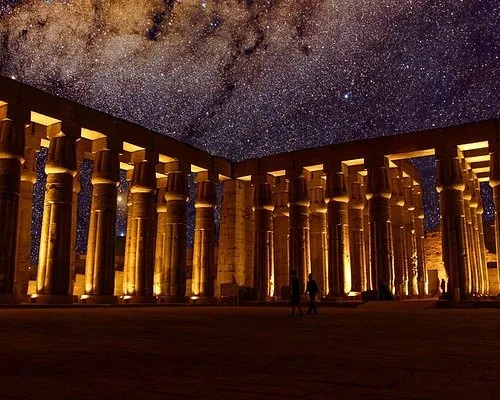
Beautifully lit temple with warm lighting creating dramatic shadows and architectural details.
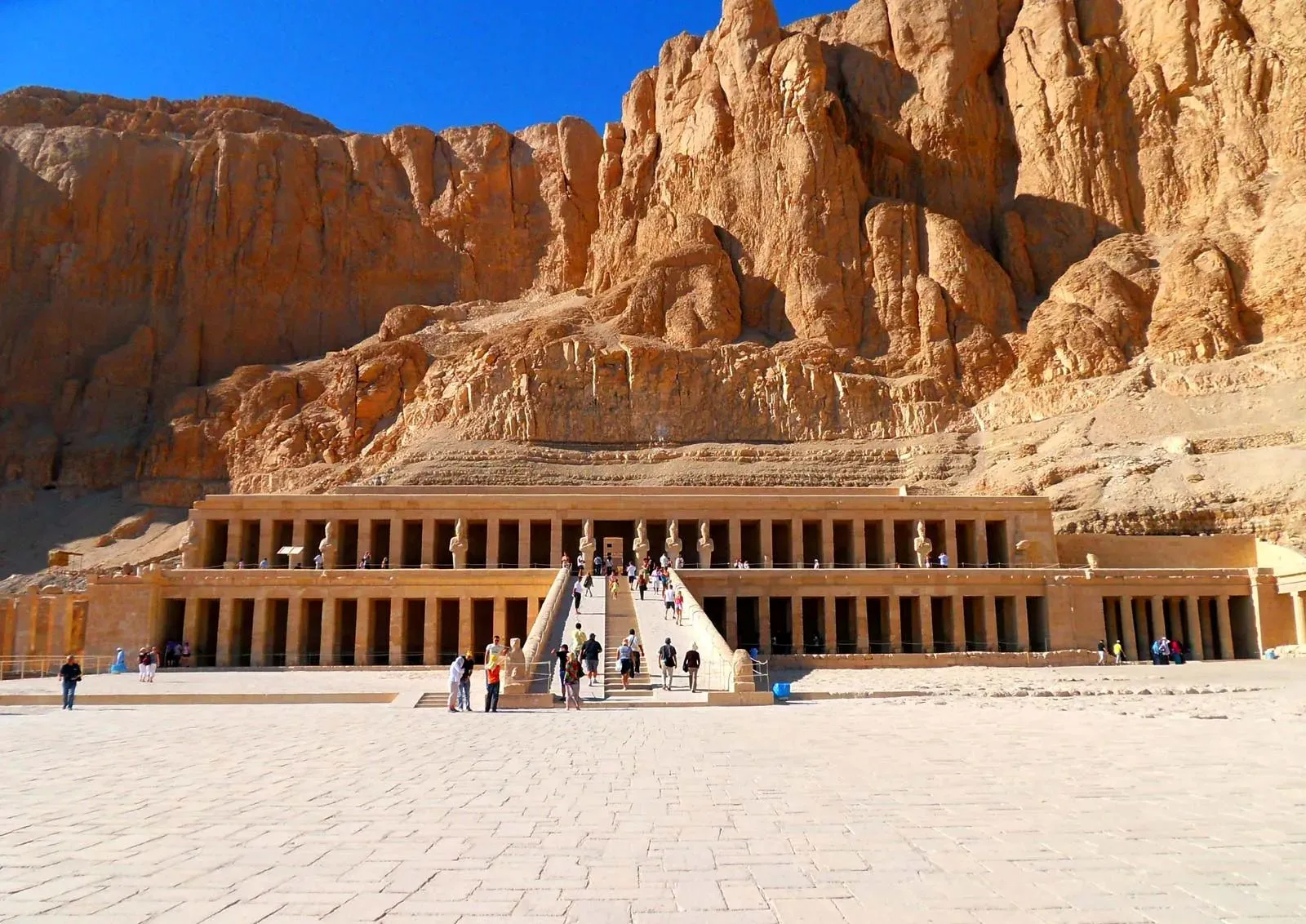
Terraced temple architecture against dramatic limestone cliffs with excellent natural lighting.
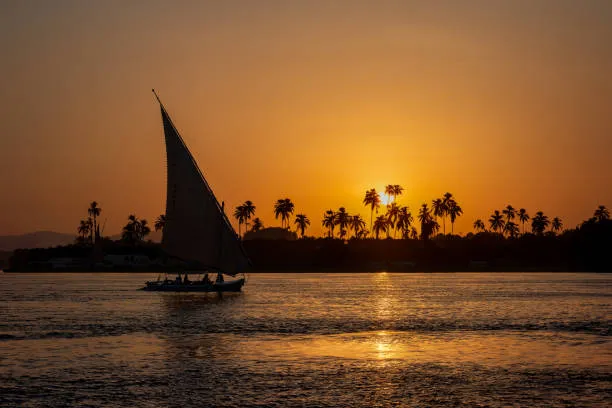
Traditional wooden boats silhouetted against the setting sun with West Bank mountains.
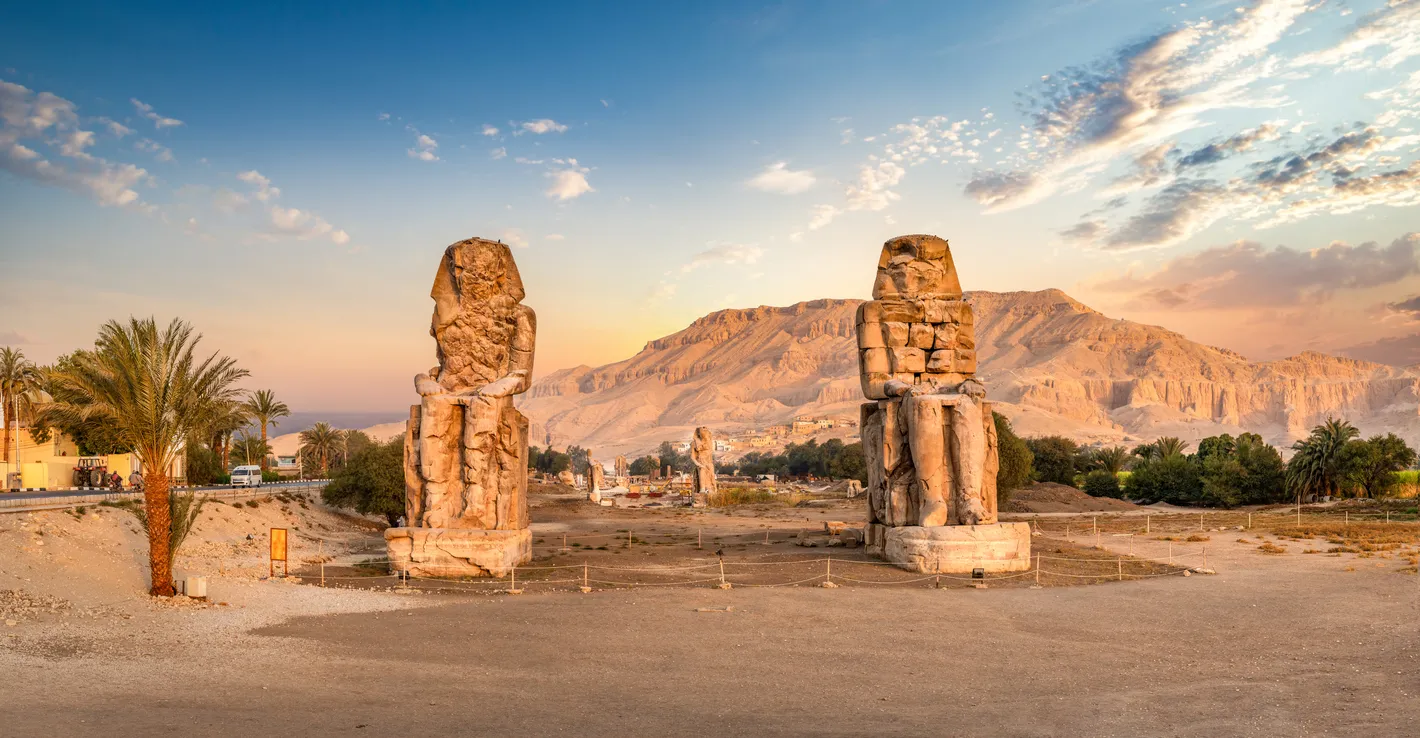
Massive statues emerging from the morning mist with golden light illuminating ancient stone.
Use manual mode for consistent exposure. ISO 100–400 in daylight, 800–1600 for tombs. Shoot in RAW format for maximum editing flexibility.
Golden hour (sunrise/sunset) provides warm, dramatic lighting. Avoid harsh midday sun. Overcast days create excellent even lighting for hieroglyphs.
Use leading lines of columns and walls. Include people for scale in vast temples. Frame doorways and windows to create depth.
Photography tickets required at most sites (300–500 EGP). No flash allowed — damages ancient pigments. Some tombs prohibit photography entirely (Nefertari, Seti I).
Bring extra batteries (heat drains power fast). Lens cleaning cloths for sand. Tripod for low-light tomb photography. UV filter for desert conditions.
Always ask permission before photographing locals. Respect “no photography” signs. Be mindful of other visitors.
Cross to the small island for unique temple views across the Nile with peaceful morning reflections.
Recently excavated pathway between temples offers dramatic perspective shots of sphinx-lined ancient road.
Several hotels offer rooftop access for night photography of illuminated temples across the city.
Hike up behind Valley of Kings for panoramic views of the entire Theban necropolis and Nile Valley.
Essential guide to Egyptian customs, traditions, and respectful interactions.
Complete breakdown of costs for different travel styles and budgets.
€25–40per person/day
€60–120per person/day
€200–500+per person/day
| Attraction / Service | EGP | Euro | Notes |
|---|---|---|---|
| Valley of Kings (3 tombs) | 500 EGP | €10 | General ticket includes 3 tombs |
| Tutankhamun’s Tomb | 450 EGP | €9 | Additional to Valley of Kings ticket |
| Seti I Tomb (KV17) | 1,000 EGP | €20 | Most spectacular tomb, limited daily visitors |
| Ramses VI Tomb (KV9) | 100 EGP | €2 | Additional tomb ticket, excellent ceiling paintings |
| Karnak Temple | 300 EGP | €6 | Largest temple complex |
| Luxor Temple | 200 EGP | €4 | Evening visits especially beautiful |
| Hatshepsut Temple | 140 EGP | €2.80 | Mortuary temple at Deir el-Bahari |
| Valley of Queens | 140 EGP | €2.80 | General ticket for 2–3 tombs |
| Nefertari’s Tomb (QV66) | 1,600 EGP | €32 | Most beautiful tomb, advance booking required |
| Medinet Habu Temple | 100 EGP | €2 | Ramses III mortuary temple |
| Deir el-Medina | 100 EGP | €2 | Workers’ village and decorated tombs |
| Photography Tickets | 300–500 EGP | €6–10 | Per site, no flash, some tombs prohibit photos |
| Hot Air Balloon | 3,000–5,000 EGP | €60–100 | Sunrise flights, includes transport |
| Private Guide (Full Day) | 2,000–3,500 EGP | €40–70 | Qualified Egyptologist |
| Felucca Sailing (1 hour) | 400–600 EGP | €8–12 | Traditional Nile boat experience |
| Taxi (Half Day West Bank) | 1,000–1,500 EGP | €20–30 | Including waiting time, negotiate price |
| Luxor Museum | 200 EGP | €4 | World-class collection, air-conditioned |
| Mummification Museum | 120 EGP | €2.40 | Small but fascinating museum |
| Sound & Light Show — Karnak | 300–400 EGP | €6–8 | Evening show, multiple language sessions |
| Bicycle Rental (West Bank) | 100–150 EGP | €2–3 | Per day, popular way to explore |
| Local Ferry (East–West Bank) | 5 EGP | €0.10 | Per person, each way |
| Egyptian breakfast (local cafe) | 60–120 EGP | €1.20–2.40 | Ful + ta’meya + bread + tea |
| Mid-range dinner | 250–500 EGP | €5–10 | Restaurant with table service |
| Bottle of water (1.5 L) | 15–25 EGP | €0.30–0.50 | Buy from supermarkets, not tourist sites |
May–September for 30–50% savings on hotels and tours.
Buy combination tickets when available to save on entrance fees.
Eat at local restaurants away from tourist areas — koshari and ful are €1–3.
Use public ferries (5 EGP) and shared taxis for the West Bank.
If budget is tight, skip 300–500 EGP photo permits.
Bring a refillable bottle and refill at hotels.
Exchange rate: approximately 55 EGP = 1 EUR (fluctuates daily). Student discounts: 50% off with valid international student ID. Payment: cash only (EGP) at all archaeological sites. Free sites: Colossi of Memnon, walking around Luxor Temple exterior.
Learn to identify common symbols and hieroglyphs found throughout Luxor’s temples and tombs.
Complete Hieroglyphs Guide → · Egyptian Gods Guide →
King of gods, patron deity of Thebes. Often shown with tall feathers crown.
Goddess of magic and motherhood. Protective deity often shown with outstretched wings.
Jackal-headed god of mummification and the afterlife. Guardian of cemeteries.
Falcon-headed sky god. Symbol of divine kingship and protector of pharaohs.
Oval enclosure containing royal names. Provides protection for the pharaoh’s name.
Double crown of Upper and Lower Egypt. Symbol of unified rule over all Egypt.
Symbol of life and eternal existence. Often held by gods giving life to pharaohs.
Symbol of stability and endurance. Associated with Osiris and the backbone.
Symbol of royal power and strength. Associated with solar deities and pharaonic might.
Sacred to Thoth, god of wisdom and writing. Symbol of knowledge and scribes.
Symbol of rebirth and resurrection. Associated with the sun god’s daily journey.
Uraeus — protective serpent worn on pharaoh’s crown. Symbol of divine protection.
Circle of protection and eternity. Often grasped by birds of prey for protection.
Symbol of power and dominion. Staff carried by gods and pharaohs as authority.
Symbol of rebirth and creation. Emerges from water representing life from chaos.
House of god symbol. Represents sacred space and divine dwelling place.
Ra, the sun god. Source of life and divine power illuminating the world.
Source of life and purification. Essential for agriculture and religious rituals.
Symbol of Lower Egypt and marshlands. Material for writing and official documents.
Symbol of destiny and divine guidance. Associated with Nut, goddess of the sky.
Extensive hieroglyphic inscriptions on columns and walls. Best preserved examples of royal cartouches and divine symbols.
Tomb walls covered with Book of the Dead texts. Elaborate scenes showing pharaohs with gods and protective symbols.
Beautiful examples of royal names in cartouches. Clear inscriptions on obelisks and temple walls.
Female pharaoh’s unique inscriptions. Examples of modified royal symbols adapted for a queen ruling as king.
Essential information for planning your ancient Egypt adventure.
The essential attractions include the Valley of the Kings (especially Tutankhamun’s tomb), Karnak Temple Complex, Luxor Temple, Temple of Hatshepsut, Valley of the Queens, Medinet Habu, and the Colossi of Memnon. The East Bank contains the temples while the West Bank houses the royal tombs and mortuary temples.
A minimum of 2–3 days is recommended to see Luxor’s main attractions. This allows one full day for the West Bank (Valley of Kings, Hatshepsut Temple, Valley of Queens) and another for the East Bank (Karnak and Luxor temples). A third day can be used for additional sites or a more relaxed pace.
The best time to visit Luxor is from October to April when temperatures are cooler (15–25°C). Summer months (May–September) are extremely hot (35–50°C) but offer lower prices. Winter provides ideal conditions for exploring outdoor archaeological sites, though nights can be cool.
The East Bank contains the temples of the living (Karnak and Luxor temples) along with hotels and the modern city. The West Bank was dedicated to the dead, containing royal tombs (Valley of Kings and Queens), mortuary temples (Hatshepsut, Medinet Habu), and the Colossi of Memnon.
While not mandatory, a qualified Egyptologist guide is highly recommended for Luxor. The historical significance, hieroglyphic inscriptions, and complex mythology are best understood with expert explanation. Many tombs and temples have fascinating stories that enhance the experience significantly.
General Valley of Kings ticket (3 tombs): 500 EGP. Tutankhamun’s tomb: additional 450 EGP. Karnak Temple: 300 EGP. Luxor Temple: 200 EGP. Hatshepsut Temple: 140 EGP. Photography tickets are additional. Prices are for foreign adults and subject to change. Student discounts available with valid ID.
Taxis are most common for getting around Luxor. The West Bank requires crossing the Nile by ferry (5 EGP) then taxi, or direct taxi via the bridge. Many tourists join organized tours with transportation included. Horse carriages (calèches) are available for short distances. Bicycle rental is popular for West Bank exploration.
Most hotels are on the East Bank near the temples and Nile corniche, offering easy access to restaurants and attractions. Popular areas include downtown Luxor near the temple and the tourist area near Karnak. A few boutique hotels exist on the quieter West Bank. Book early during peak season (December–February).
Yes, Tutankhamun’s tomb (KV62) is open to visitors with a separate ticket (450 EGP additional to the general Valley of Kings ticket). The tomb contains the pharaoh’s original mummy in a climate-controlled glass case and some original artifacts. It’s smaller than other royal tombs but historically the most significant discovery.
Photography requires separate tickets at most sites. General photography tickets cost 300–500 EGP per site. Some tombs like Nefertari’s prohibit photography entirely. Flash photography is never permitted as it damages ancient pigments. Video filming requires special permits and higher fees.
Most sites open at 6:00 AM and close at 5:00 PM (4:00 PM in winter). Valley of Kings often opens earlier in summer to avoid heat. Karnak and Luxor temples sometimes offer evening hours. During Ramadan, hours may be adjusted. Always check current opening times as they can change seasonally.
Queen Nefertari’s tomb (QV66) is considered the most beautiful tomb in Egypt, called the “Sistine Chapel of Ancient Egypt.” The colorful paintings and reliefs are extraordinarily well-preserved. Access is limited and requires a special ticket (1,600 EGP) with timed entry to protect the delicate artwork.
Yes, Luxor is generally very safe for tourists. The area has significant tourist police presence and security at all major sites. The local economy depends heavily on tourism, so visitors are well-protected. Standard travel precautions apply: stay with reputable tour guides, avoid isolated areas at night, and keep valuables secure.
Start early (6–9 AM) and late afternoon (4–6 PM) for outdoor sites. Wear lightweight, light-colored, long-sleeved clothing and a wide-brimmed hat. Drink water constantly — 3–4 litres daily in summer. Take frequent shade breaks. Many tombs are naturally cooler underground. Consider midday pool/hotel breaks during summer.
Expect significant walking, especially at large sites like Karnak Temple. Valley of Kings involves walking between tomb entrances in desert terrain. Most sites have uneven, ancient surfaces. Comfortable, sturdy walking shoes are essential. Some sites offer golf carts or donkey rides for those with mobility issues.
Immerse yourself in 3,000 years of pharaonic history with expert-guided tours to Luxor’s magnificent temples, royal tombs, and archaeological wonders.
Day trip from Hurghada to Luxor, classic 4-day Nile cruise, hot air balloon, Karnak Sound & Light Show, private Valley of Kings with Egyptologist, and many more.
Browse expert-guided tours