The Great Sphinx of Giza: Ultimate Guide to Egypt's Ancient Guardian

Discover the ancient guardian of the pyramids - explore 4,500 years of history, mysteries, and secrets of the world's largest monolithic statue

Explore Tours Discover History

Sphinx Egypt: The Eternal Guardian of Giza

Unveiling the majesty and mystery of the world's oldest monumental sculpture

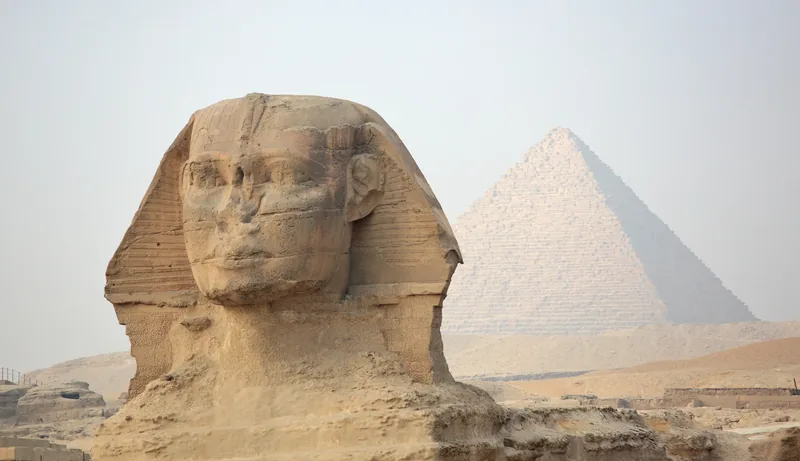
Great Sphinx of Egypt panoramic view with pyramids
Ancient Wonder

The Great Sphinx of Egypt: An Introduction

The Great Sphinx of Egypt stands as humanity's oldest and largest monolithic statue, carved from a single ridge of limestone bedrock on the Giza Plateau alongside the famous Pyramids of Giza. This colossal monument, featuring a human head atop a lion's body, has captivated visitors for over 4,500 years, serving as the eternal guardian of the ancient necropolis.

Positioned strategically facing east toward the rising sun, the Sphinx Egypt monument embodies the perfect fusion of human intelligence and leonine strength, symbolizing the divine power of ancient Egyptian pharaohs. Its weathered features have witnessed the rise and fall of civilizations, making it one of the most enigmatic and studied monuments in human history.

Sphinx Egypt cultural and religious significance
Sacred Symbol

Cultural Significance of Sphinx Egypt

The Sphinx Egypt monument represents far more than an architectural marvel—it embodies the spiritual and political ideology of ancient Egyptian civilization. As a manifestation of royal power and divine protection, the Sphinx served multiple sacred functions in the religious landscape of ancient Egypt.

Throughout millennia, the Great Sphinx has been revered as a solar deity, associated with the god Harmachis (Horus of the Horizon), and served as a focal point for religious ceremonies and pilgrimages. Its enduring presence continues to inspire awe and scholarly debate, making Sphinx Egypt one of archaeology's most fascinating subjects.

73.5m
Total Length
20m
Height
4,500
Years Old
200
Tons (Head Weight)

Why Sphinx Egypt Should Be on Every Traveler's List

World's Oldest Monument

Experience the awe of standing before humanity's oldest monumental sculpture, predating even the Great Pyramid by several centuries according to some theories.

Iconic Photo Opportunity

Capture the perfect shot with the Sphinx Egypt and pyramids backdrop—one of the most recognizable images in human civilization.

Unsolved Mysteries

Explore the countless mysteries surrounding the Sphinx's construction, purpose, and hidden chambers that continue to baffle archaeologists.

History of Sphinx Egypt: 4,500 Years of Legacy

Journey through millennia of the Great Sphinx's remarkable story

Ancient Egypt Era

2558 BCE - 332 BCE
c. 2558-2532 BCE

Birth of Sphinx Egypt

Carved during Pharaoh Khafre's reign from a single limestone outcrop. Master craftsmen shaped the colossal guardian using copper tools and stone hammers, creating humanity's largest monolithic statue. This extraordinary engineering feat combined artistry with symbolic power, establishing the Sphinx as a sentinel of Giza for over four millennia.

Over 100 workers labored for 3 years
Ancient construction of Sphinx Egypt
c. 1400 BCE

The Dream Stela

Prince Thutmose IV fell asleep between the Sphinx's paws and dreamed of becoming pharaoh if he cleared the sand. Inspired by the vision, he restored the monument, commemorating his promise with the famous Dream Stela that still stands today — the earliest recorded restoration in Egyptian history.

First recorded restoration of Sphinx Egypt
Dream Stela at Sphinx Egypt

Classical Period

332 BCE - 641 CE
332 BCE

Greek Interpretation

With the arrival of Alexander the Great, Greek culture intertwined with Egyptian traditions. The Greeks reinterpreted the Sphinx through their myth of the riddling sphinx, adding a new layer of enigma. For them, it was not only a guardian but also a keeper of ancient mysteries, influencing early Western writings on the monument.

First Western documentation begins
Riddling sphinx myth
30 BCE - 641 CE

Roman Veneration & New Discovery

During the Roman occupation of Egypt, the Sphinx retained its sacred status. Romans carried out significant restorations, even constructing an altar between its paws. Emperor Marcus Aurelius himself ordered repairs, underlining its religious importance.

In a remarkable recent find, archaeologists uncovered a sphinx-like statue from the Roman era in southern Egypt. This smaller yet intricately carved limestone figure, believed to depict a prominent Roman ruler, provides fresh insight into how Romans adapted Egyptian symbols for their own political and spiritual narratives. The discovery highlights the enduring cultural power of the Sphinx image well into the classical age.

Multiple Roman restoration campaigns & modern archaeological finds
Roman period Sphinx Egypt

Medieval Times

641 CE - 1798 CE
1380 CE

The Missing Nose

In a controversial act of religious zeal, Sufi cleric Muhammad Sa'im al-Dahr destroyed the Sphinx's nose after witnessing locals making offerings. He was later executed for sacrilege, but the damage became one of the monument’s most famous features. Contrary to popular myth, Napoleon’s troops did not cause this destruction.

NOT destroyed by Napoleon as myth claims
Medieval damage to Sphinx Egypt
15th-18th Century

Sand Burial

Over centuries, shifting desert sands engulfed the Sphinx up to its neck. Medieval travelers described a mysterious stone face rising from the dunes, which only heightened its legendary aura. Ironically, the sand acted as a natural shield, slowing erosion until modern excavations.

Protected from erosion by sand coverage
Sand-buried Sphinx Egypt

Modern Era

1798 - Present
1798

Napoleon's Scientific Study

French scholars conducted the first accurate surveys, drawings, and measurements of the Sphinx during Napoleon's Egyptian campaign. These efforts ignited Europe’s fascination with Egypt and marked the birth of modern Egyptology.

First scientific documentation
Napoleon expedition Sphinx Egypt
1925-1936

Complete Excavation

French engineer Émile Baraize led a massive excavation to free the Sphinx from centuries of sand burial. Over 11 years, workers exposed its full body, revealing previously hidden architectural details and temple structures.

11 years of excavation work
1930s excavation of Sphinx Egypt
1980s-Present

Modern Conservation

Today, preservation is an ongoing challenge. Conservation teams repair weathered stone, battle pollution, and use advanced tools like ground-penetrating radar to search for hidden chambers. UNESCO continues to oversee the site's protection, ensuring this guardian of Giza endures for future generations.

$100+ million in conservation efforts
Modern restoration of Sphinx Egypt
Built
Dream Stela
Greeks
Nose Lost
Napoleon
Today

How Sphinx Egypt Was Built: Ancient Engineering Marvel

Exploring the incredible construction techniques of the Great Sphinx

Sphinx Egypt construction techniques and methods

Construction Techniques of Sphinx Egypt

The Great Sphinx was carved directly from the limestone bedrock of the Giza Plateau, making it the world's largest monolithic statue. Ancient Egyptian workers used copper chisels, stone hammers, and wooden wedges to carefully shape the natural rock outcrop.

  • Bedrock Carving: Workers carved downward and outward from the original hill
  • Block Addition: Large limestone blocks were added for detailed features
  • Surface Finishing: Final smoothing with sand and stone tools
  • Drainage System: Channels carved to protect from water damage
Materials used in Sphinx Egypt construction

Materials & Geology of Sphinx Egypt

The Sphinx Egypt consists of three distinct geological layers, each presenting unique challenges and characteristics:

  • Head (Member III): Hard, durable limestone resistant to erosion
  • Body (Member II): Softer layers showing significant weathering
  • Base (Member I): Hardest limestone, forming stable foundation
  • Restoration Blocks: Various limestone types from different periods

This geological variation explains the uneven erosion patterns visible on the Sphinx today.

Engineering challenges in building Sphinx Egypt

Engineering Challenges & Solutions

Creating Sphinx Egypt required overcoming numerous engineering challenges:

  • Scale Management: Coordinating proportions on massive scale
  • Structural Integrity: Ensuring stability of protruding head
  • Natural Flaws: Working around cracks and weak spots in bedrock
  • Precision Carving: Achieving facial symmetry without modern tools
  • Weather Protection: Original casing stones (now lost) protected surface

Remarkable Construction Facts About Sphinx Egypt

Workforce

Estimated 100+ skilled workers carved the Sphinx over approximately 3 years, working with primitive tools but extraordinary precision.

Material Removed

Approximately 200,000 tons of limestone were removed to reveal the Sphinx shape, with blocks reused in nearby temple construction.

Original Appearance

Evidence suggests the Sphinx Egypt was originally painted in vivid colors - red face, blue and gold headdress, with a carved beard.

Mysteries of Sphinx Egypt: Unsolved Enigmas

Exploring the secrets and theories surrounding the Great Sphinx

Hidden Chambers in Sphinx Egypt

Potential secret rooms beneath the monument

Seismic surveys and ground-penetrating radar have detected anomalies suggesting possible chambers beneath Sphinx Egypt. These include:

  • A rectangular chamber 25 feet below the front paws
  • Tunnel-like anomalies running beneath the monument
  • Possible cavity behind the head
  • Underground passages connecting to the pyramids

Egyptian authorities have restricted invasive exploration to preserve the monument's integrity.

True Age of Sphinx Egypt

Debates over the monument's actual date

While traditionally dated to Khafre's reign (c. 2500 BCE), some researchers propose Sphinx Egypt is much older:

  • Water Erosion Theory: Vertical erosion suggests exposure to heavy rainfall (last occurred 7,000-9,000 BCE)
  • Astronomical Alignment: Leo constellation alignment points to 10,500 BCE
  • Pre-Dynastic Origin: Possible construction by earlier unknown civilization
  • Geological Evidence: Weathering patterns inconsistent with known climate history

The Missing Nose Mystery

Various theories about the famous damage

The missing nose of Sphinx Egypt has sparked numerous theories throughout history:

  • Medieval Vandalism: Historical accounts blame Sufi fanatic (1378 CE)
  • Target Practice: Mamluk or Ottoman soldiers (unproven)
  • Napoleon's Troops: Popular myth (disproven by earlier drawings)
  • Natural Erosion: Weakened by weathering before deliberate removal

Original Purpose of Sphinx Egypt

Theories about its intended function

The true purpose of Sphinx Egypt remains debated among scholars:

  • Guardian Deity: Protecting the necropolis and pharaoh's journey to afterlife
  • Solar Monument: Representing sun god Ra-Horakhty
  • Pharaoh's Image: Khafre's portrait for eternal remembrance
  • Astronomical Marker: Aligned with celestial events and equinoxes
  • Initiation Site: Location for mystery school rituals

Hall of Records Theory

Lost library of ancient knowledge

Edgar Cayce and others claimed a "Hall of Records" exists beneath Sphinx Egypt containing:

  • Records of lost Atlantean civilization
  • Advanced ancient technologies
  • History of human origins
  • Prophecies about humanity's future

Despite extensive surveys, no such chamber has been definitively located or accessed.

Whose Face on Sphinx Egypt?

Debate over the portrait's identity

While traditionally identified as Khafre, forensic studies suggest alternatives:

  • Khafre Theory: Matches statues of the pharaoh (mainstream view)
  • Khufu Theory: Khafre's father and Great Pyramid builder
  • Earlier Ruler: Pre-dynastic king or deity
  • Composite Face: Idealized features rather than specific portrait

Sphinx Egypt Facts: Size, Dimensions & Records

Impressive statistics and little-known facts about the Great Sphinx

Physical Dimensions of Sphinx Egypt

Total Length: 73.5 meters (241 feet)
Height: 20 meters (66 feet)
Width: 19 meters (62 feet)
Face Height: 5 meters (16 feet)
Face Width: 4 meters (13 feet)
Mouth Width: 2.3 meters (7.5 feet)
Nose (Original): 1.7 meters wide (5.5 feet)
Paw Length: 15 meters (50 feet) each

Fascinating Facts About Sphinx Egypt

  • Largest monolithic statue in the world
  • Faces directly east, aligned with equinox sunrise
  • Originally had a beard (fragments in British Museum)
  • Was buried in sand up to neck for most of history
  • Temple between paws discovered in 1936
  • Has been restored at least 5 times in antiquity
  • Originally painted in bright colors
  • Contains three tunnels of unknown purpose

Sphinx Egypt World Records & Achievements

Oldest Colossal Sculpture

At approximately 4,500 years old, Sphinx Egypt holds the record as humanity's oldest monumental sculpture.

Largest Monolith

Carved from a single limestone ridge, it's the world's largest statue created from one piece of stone.

Most Visited Ancient Site

Sphinx Egypt attracts over 14 million visitors annually, making it one of Earth's most popular historic attractions.

Visiting Sphinx Egypt: Complete Travel Guide 2026

Everything you need to know for the perfect Sphinx Egypt experience

Best time to visit Sphinx Egypt weather guide
Travel Tips

Best Time to Visit Sphinx Egypt

Peak Season (October - April)

  • Perfect weather: 20-25°C (68-77°F)
  • Clear skies ideal for photography
  • Higher prices and larger crowds
  • Book tours in advance

Shoulder Season (May & September)

  • Warm but manageable: 25-35°C (77-95°F)
  • Fewer tourists, better photo opportunities
  • Lower prices on tours and hotels

Low Season (June - August)

  • Very hot: 35-40°C (95-104°F)
  • Early morning visits essential
  • Significant discounts available
  • Minimal crowds at Sphinx Egypt
Sphinx Egypt entrance tickets and visiting hours
Practical Info

Sphinx Egypt Visiting Hours & Tickets

Opening Hours:

October - March: 8:00 AM - 5:00 PM

April - September: 7:00 AM - 7:00 PM

Ramadan: 7:00 AM - 3:00 PM

Ticket Prices (2026):

Giza Plateau Entry: 700 EGP (includes Sphinx Egypt)

Students: 350 EGP (with valid ID)

Photography: No extra fee for personal cameras

Combined Tickets: Available with pyramid entries

Pro Tip: Buy tickets online to skip queues during peak season

What to expect when visiting Sphinx Egypt
Visitor Guide

What to Expect at Sphinx Egypt

Your Visit Experience:

  • Security Check: Airport-style screening at entrance
  • Walking Distance: 10-minute walk from ticket office
  • Viewing Areas: Multiple platforms for different angles
  • Photography: Best shots from eastern viewing platform
  • Time Needed: 30-45 minutes for thorough visit

Facilities Available:

  • Visitor center with exhibits
  • Restrooms near entrance
  • Cafeteria and gift shops
  • Wheelchair accessible paths
  • Audio guides in multiple languages
Essential tips for visiting Sphinx Egypt
Insider Tips

Essential Tips for Sphinx Egypt Visit

Smart Visitor Tips:

  • Wear comfortable walking shoes and sun protection
  • Bring water - desert climate is dehydrating
  • Hire official guides only (check ID)
  • Beware of aggressive vendors and camel riders
  • Keep tickets until exit - may be checked

What to Bring:

  • Sunscreen and hat (limited shade)
  • Camera with extra batteries
  • Small Egyptian pounds for tips
  • Light scarf for wind/sand
  • Snacks if planning long visit
Photography tips for Sphinx Egypt
Photo Guide

Photography at Sphinx Egypt

Best Photo Spots:

  • Classic View: Eastern terrace for face-on shots
  • Profile Shot: Northern viewing area
  • With Pyramids: Southwest angle includes Khafre's pyramid
  • Sunset Silhouette: Western side during golden hour
  • Unique Angle: From Sphinx Temple ruins

Photography Tips:

  • Early morning: Soft light, fewer tourists
  • Bring wide-angle lens for full monument
  • Sunset creates dramatic shadows
  • Respect barriers and signs
  • No drones without special permit
Attractions near Sphinx Egypt
Combo Visits

Combine Sphinx Egypt with Nearby Sites

Maximize your Giza Plateau visit by exploring these nearby attractions:

Allow 3-4 hours for complete Giza Plateau experience

Important Guidelines for Sphinx Egypt Visitors

Prohibited Activities

No climbing on monuments, no touching the Sphinx, no commercial photography without permit, no feeding animals, respect all barriers and signs.

Cultural Respect

Dress modestly (shoulders and knees covered), ask permission before photographing locals, respect prayer times, maintain appropriate behavior at this historic site.

Safety Precautions

Stay on marked paths, beware of uneven surfaces, protect against sun exposure, keep valuables secure, use only licensed tour operators.

Sphinx Egypt Tours: Book Your Ancient Adventure

Expert-guided tours to the Great Sphinx from all major Egyptian destinations

Sphinx Egypt Tours from Cairo

Cairo Pyramids and Sphinx tour with Nile felucca
Best Seller

Cairo Pyramids & Sphinx Tour with River Nile Felucca

Complete Giza experience combining Sphinx Egypt, all three pyramids, and a relaxing traditional felucca sail on the Nile. Perfect introduction to ancient Egyptian wonders with expert Egyptologist guide.

8 hours
Small groups
Lunch included
  • In-depth Sphinx Egypt exploration with photo stops
  • Entry to one pyramid included
  • Traditional Egyptian lunch
  • Sunset felucca cruise on the Nile
View Details & Book
Female guided Sphinx Egypt tour
Ladies Special

Female-Guided Pyramids, Sphinx & Museum Tour

Specially designed tour with female Egyptologist guide, perfect for solo female travelers or those preferring women guides. Comprehensive Sphinx Egypt visit with comfortable pace and shopping time.

Female guide
Safe & comfortable
Bazaar visit
  • Detailed Sphinx Egypt history and mysteries
  • Egyptian Museum highlights
  • Khan el-Khalili bazaar exploration
  • Photography assistance at all sites
View Details & Book
Private Sphinx Egypt tour with camel ride
VIP Experience

Private Giza Pyramids & Sphinx Tour with Camel Ride

Exclusive private tour offering personalized Sphinx Egypt experience with professional Egyptologist. Includes memorable camel ride around pyramids and flexible itinerary tailored to your interests.

Private guide
Camel ride
Private transport
  • Exclusive Sphinx Egypt access for best photos
  • 30-minute camel ride experience
  • Papyrus institute visit
  • Customizable itinerary
View Details & Book
Sphinx Egypt tour with Great Pyramid entry
Exclusive Access

Sphinx & Great Pyramid Interior Tour

Ultimate Giza experience including entry inside the Great Pyramid! Combine Sphinx Egypt mysteries with exploring the King's Chamber for complete ancient Egyptian immersion.

Pyramid entry
King's Chamber
Premium experience
  • Complete Sphinx Egypt exploration
  • Entry inside Great Pyramid included
  • Valley Temple visit
  • Expert archaeological insights
View Details & Book
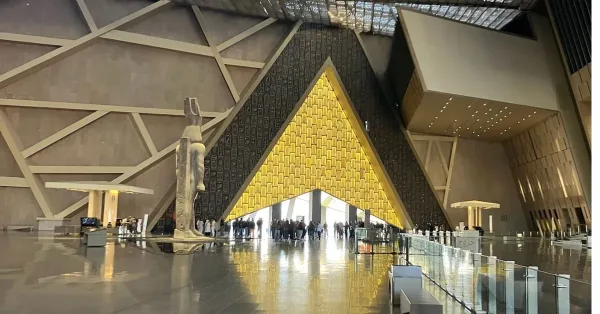
Grand Egyptian Museum and Sphinx Egypt tour
New Museum

Grand Egyptian Museum, Pyramids & Sphinx Tour

Combine the new Grand Egyptian Museum's treasures with Sphinx Egypt and pyramids. See Tutankhamun's complete collection before exploring Giza's ancient wonders.

GEM included
King Tut treasures
5000 years history
  • Grand Egyptian Museum highlights
  • Comprehensive Sphinx Egypt visit
  • All three pyramids exploration
  • Expert archaeological commentary
View Details & Book
Classic Sphinx Egypt sightseeing tour
Budget Friendly

Classic Cairo Sightseeing: Pyramids & Sphinx

Essential Sphinx Egypt tour perfect for first-time visitors. Comprehensive yet affordable option covering all major Giza highlights with experienced guide and comfortable transport.

Great value
All essentials
Comfortable transport
  • Complete Sphinx Egypt photo opportunities
  • All pyramids exterior visits
  • Panoramic viewpoint stop
  • Optional activities available
View Details & Book

Sphinx Egypt Tours from Red Sea Resorts

Hurghada to Sphinx Egypt bus tour
Popular Choice

Hurghada to Cairo & Sphinx Day Trip

Full-day adventure from Hurghada to Sphinx Egypt and Cairo's treasures. Comfortable coach journey with stops, perfect for budget-conscious travelers wanting comprehensive Cairo experience.

Luxury coach
16-hour day
BBQ lunch
  • Early pickup with breakfast box
  • Sphinx Egypt and all pyramids
  • Egyptian Museum visit
  • Shopping time included
View Details & Book
Hurghada to Sphinx Egypt flight tour
Time Saver

Hurghada to Sphinx by Flight

Maximize your time with convenient flights from Hurghada. More time at Sphinx Egypt and Cairo attractions, less time traveling. Premium experience with VIP treatment throughout.

Return flights
12-hour day
VIP service
  • Hotel to airport transfers
  • Extended Sphinx Egypt visit
  • Museum or bazaar choice
  • Professional Egyptologist guide
View Details & Book
Sharm El Sheikh to Sphinx Egypt bus tour
Adventure

Sharm to Giza Plateau & Museum Day Trip

Epic journey from Sharm El Sheikh to Sphinx Egypt crossing the Suez Canal. Adventure through Sinai Desert with comprehensive Cairo experience including museum visit.

Deluxe coach
Suez crossing
Museum included
  • Scenic Sinai Desert journey
  • Complete Sphinx Egypt exploration
  • Egyptian Museum treasures
  • Traditional lunch included
View Details & Book
Sharm El Sheikh to Sphinx Egypt flight tour
Premium

Sharm to Cairo & Sphinx Guided Flight Tour

Premium Sphinx Egypt experience with return flights from Sharm. Maximum comfort and time efficiency, allowing comprehensive exploration of Giza and Cairo's highlights in one day.

Direct flights
Full service
Premium experience
  • VIP airport assistance
  • In-depth Sphinx Egypt tour
  • Lunch at panoramic restaurant
  • Flexible museum or shopping
View Details & Book
Marsa Alam to Sphinx Egypt flight tour
Exclusive

Marsa Alam to Cairo & Giza by Plane

Exclusive Sphinx Egypt tour from Marsa Alam with direct flights. Perfect for southern Red Sea visitors wanting to experience Cairo's wonders without long road journeys.

Direct flights
Small groups
Full day tour
  • Convenient southern resort departure
  • Comprehensive Sphinx Egypt visit
  • Choice of museum or citadel
  • Professional photography assistance
View Details & Book

Expert Tips for Booking Sphinx Egypt Tours

Best Booking Time

Book 2-3 days in advance for best availability. Peak season (Oct-Apr) requires earlier booking. Last-minute options usually available for Cairo-based tours.

Flight vs Bus Tours

Flight tours offer 4-5 extra hours at sites but cost more. Bus tours are budget-friendly adventures perfect for those who enjoy road journeys.

Group vs Private

Private tours offer flexibility and personalized attention. Group tours provide social atmosphere and lower costs while maintaining quality experience.

Sphinx Egypt FAQ: Complete Guide to Your Questions

Comprehensive answers to everything you need to know about visiting the Great Sphinx

General Information About Sphinx Egypt

What exactly is the Sphinx of Egypt?

The Great Sphinx of Egypt is the world's oldest and largest monolithic statue, carved from a single limestone ridge on the Giza Plateau around 2500 BCE. This colossal monument features a human head (believed to represent Pharaoh Khafre) on a lion's body, measuring 73.5 meters long, 20 meters high, and 19 meters wide. The Sphinx Egypt has served as the eternal guardian of the Giza necropolis for over 4,500 years, becoming one of the most recognizable symbols of ancient Egyptian civilization.

How old is the Sphinx Egypt and who built it?

Most Egyptologists date Sphinx Egypt to approximately 2500 BCE during the reign of Pharaoh Khafre (2558-2532 BCE), making it roughly 4,500 years old. Khafre, builder of the second-largest pyramid at Giza, is traditionally credited with ordering its construction. However, some controversial theories suggest the Sphinx may be much older, possibly dating to 7000-10,500 BCE based on erosion patterns. The monument was carved directly from bedrock by ancient Egyptian workers using copper tools and stone hammers.

What are the exact dimensions of Sphinx Egypt?

The Great Sphinx of Egypt measures 73.5 meters (241 feet) in length, 20 meters (66 feet) in height, and 19 meters (62 feet) in width. The face alone is 5 meters (16 feet) high and 4 meters (13 feet) wide. Each paw extends 15 meters (50 feet) forward. The missing nose was approximately 1.7 meters wide. These massive proportions make Sphinx Egypt the largest monolithic statue in the world, carved from an estimated 200,000 tons of limestone.

What does Sphinx Egypt symbolize and represent?

Sphinx Egypt symbolizes the perfect fusion of human intelligence and leonine strength, representing divine pharaonic power. The human head signifies wisdom and intellect, while the lion's body represents strength and courage. In ancient Egyptian belief, the Sphinx served as a guardian deity protecting sacred spaces and was associated with the sun god Ra-Horakhty. The eastward-facing orientation of Sphinx Egypt connects it to the rising sun, symbolizing rebirth and eternal life. It embodied the concept of divine kingship and served as a spiritual sentinel for the Giza necropolis.

How many sphinxes are there in Egypt?

While Sphinx Egypt (the Great Sphinx of Giza) is the most famous and largest, Egypt has hundreds of other sphinxes. Notable examples include the Avenue of Sphinxes in Luxor (connecting Karnak and Luxor temples with over 1,000 sphinx statues), the alabaster sphinx at Memphis, and numerous smaller sphinxes in museums. Recently, archaeologists discovered a Roman-era sphinx in southern Egypt. However, none match the size, age, or cultural significance of Sphinx Egypt at Giza, which remains unique as the only colossal monolithic sphinx carved from bedrock.

History and Construction of Sphinx Egypt

How was Sphinx Egypt actually built?

Sphinx Egypt was carved directly from the limestone bedrock of the Giza Plateau using primitive but effective techniques. Ancient workers first isolated a natural limestone outcrop, then carved downward and outward using copper chisels, stone hammers, and wooden wedges. They removed approximately 200,000 tons of limestone, with larger blocks likely reused in nearby temple construction. The varying hardness of limestone layers (three distinct geological strata) required different techniques. Finer details were added using smaller tools, and the surface was originally smooth and painted in bright colors. The entire construction of Sphinx Egypt likely took 100+ workers about three years to complete.

What is the Dream Stela at Sphinx Egypt?

The Dream Stela is a granite monument placed between the front paws of Sphinx Egypt by Pharaoh Thutmose IV around 1400 BCE. According to the inscription, young Prince Thutmose fell asleep in the shadow of the sand-buried Sphinx and dreamed that the monument promised him the throne if he cleared away the sand. After becoming pharaoh, Thutmose IV fulfilled his promise, excavating Sphinx Egypt and erecting the stela to commemorate the event. This represents the first recorded restoration of the Sphinx and provides valuable historical evidence about ancient Egyptian reverence for the monument. The Dream Stela still stands today, offering insights into Sphinx Egypt's significance in later dynasties.

Did Sphinx Egypt originally have a beard?

Yes, Sphinx Egypt originally featured a long, braided divine beard attached to its chin, symbolizing divinity in ancient Egyptian iconography. Fragments of this limestone beard were discovered in the sand below the monument and are now displayed in the British Museum and Cairo Museum. The beard was likely added during a later restoration period rather than being part of the original carving. Evidence suggests it was supported by a stone plate and fell off sometime between the New Kingdom and Medieval periods. The beard's style matches those worn by gods and deified pharaohs, reinforcing Sphinx Egypt's sacred status.

What restoration work has been done on Sphinx Egypt?

Sphinx Egypt has undergone numerous restorations throughout history. Ancient restorations include Thutmose IV (1400 BCE), Ramesses II, and Roman-era repairs under Marcus Aurelius. Modern conservation began with the 1925-1936 excavation by Émile Baraize, who freed the monument from sand. Major 20th-century restorations occurred in the 1980s-1990s, though some cement repairs caused damage and were later reversed. Current conservation efforts focus on combating pollution, rising groundwater, and natural erosion using advanced materials and techniques. Over $100 million has been invested in preserving Sphinx Egypt, with ongoing monitoring using laser scanning and photogrammetry to track deterioration.

Mysteries and Theories About Sphinx Egypt

Why is the nose missing from Sphinx Egypt?

The nose of Sphinx Egypt was deliberately destroyed, most likely in 1378 CE by a Sufi Muslim named Muhammad Sa'im al-Dahr, who was reportedly outraged by peasants making offerings to the Sphinx. Historical texts describe him being lynched for vandalism. Contrary to popular myth, Napoleon's troops did NOT destroy the nose - sketches from 1737 (before Napoleon's birth) already show it missing. The one-meter wide nose was probably first weakened by erosion, then forcibly removed using rods or chisels inserted into drilled holes still visible on the face.

Are there secret chambers inside Sphinx Egypt?

Modern technology has detected several anomalies beneath and within Sphinx Egypt. Seismic surveys reveal a rectangular chamber approximately 25 feet below the front paws, tunnel-like anomalies running beneath the monument, and a possible cavity behind the head. Three confirmed tunnels exist: one behind the head, one in the tail, and one on the north side. However, Egyptian authorities restrict invasive exploration to preserve the monument. The legendary "Hall of Records" containing ancient wisdom remains unproven despite extensive non-invasive surveys using ground-penetrating radar and electromagnetic detection.

Is Sphinx Egypt really older than the pyramids?

While mainstream Egyptology dates Sphinx Egypt to Khafre's reign (c. 2500 BCE), some researchers argue for a much older origin. The controversial water erosion hypothesis suggests vertical erosion patterns on the Sphinx resulted from heavy rainfall, which last occurred in Egypt 7,000-9,000 years ago. Additionally, astronomical alignments with the Leo constellation point to 10,500 BCE. However, most archaeologists maintain the traditional dating based on architectural context, pottery shards, and tool marks consistent with Old Kingdom construction techniques. The debate continues to divide scholars.

Is Sphinx Egypt aligned with any celestial bodies?

Yes, Sphinx Egypt faces directly east, precisely aligned with the sunrise on the spring and autumn equinoxes. This orientation connects the monument to solar worship and the daily rebirth of the sun god Ra. Some researchers propose that Sphinx Egypt also aligns with the constellation Leo during the Age of Leo (approximately 10,500 BCE), though this remains controversial. The celestial alignment reinforces the monument's role as a solar deity and timekeeper. During equinoxes, the sun rises directly behind the head of Sphinx Egypt, creating a spectacular crown of light that ancient Egyptians likely considered divine.

Visiting Sphinx Egypt - Practical Information

How much does it cost to visit Sphinx Egypt?

Entry to Sphinx Egypt is included in the Giza Plateau ticket, which costs 700 EGP (approximately $15 USD) for adults and 350 EGP for students with valid ID as of 2026. This ticket grants access to the Sphinx, the three main pyramids (exterior), and the surrounding complex. Additional fees apply for entering pyramids (Great Pyramid: 600 EGP) or the Solar Boat Museum. Tickets can be purchased at the entrance or online. Photography for personal use is free, but professional equipment may require permits costing 300-500 EGP.

What is the best time to visit Sphinx Egypt?

The best time to visit Sphinx Egypt is October through April when temperatures are comfortable (20-25°C/68-77°F). For photography, arrive at opening time (8 AM in winter, 7 AM in summer) for soft light and fewer crowds. Sunset visits offer dramatic lighting but more tourists. Avoid midday in summer when temperatures exceed 40°C/104°F. Friday and Saturday see local crowds. The shoulder seasons (May and September) offer a good balance of weather and smaller crowds with lower prices. Early morning visits provide the best experience overall.

Can you touch or climb on Sphinx Egypt?

No, touching or climbing Sphinx Egypt is strictly prohibited to preserve this ancient monument. Security barriers maintain a respectful distance between visitors and the statue. The viewing area provides excellent photo opportunities from multiple angles without needing close contact. Violating these rules results in immediate removal from the site and possible fines of up to 10,000 EGP. The closest you can get is the designated viewing platform near the paws, which offers spectacular views for photography while protecting the monument's fragile limestone surface.

Can you go inside Sphinx Egypt?

No, visitors cannot enter Sphinx Egypt. Unlike the pyramids, the Sphinx is a solid carved monument without accessible internal chambers. While there are three known tunnels (behind the head, in the tail, and on the north side), these are sealed and off-limits to protect the monument's structural integrity. The closest accessible interior space is the Valley Temple of Khafre adjacent to Sphinx Egypt, which you can enter with your Giza Plateau ticket. Any claims about special access tours inside the Sphinx are scams - no legitimate tours offer internal access.

How long should I spend at Sphinx Egypt?

Plan 30-45 minutes for a thorough Sphinx Egypt visit, including time for photography from different angles and reading information panels. However, most visitors combine the Sphinx with the pyramids, requiring 3-4 hours total for the entire Giza Plateau. If joining a guided tour, expect detailed explanations adding 15-20 minutes. The nearby Valley Temple of Khafre (connected to the Sphinx) deserves another 20-30 minutes. Photography enthusiasts may want extra time for perfect shots from various viewpoints.

Can you visit Sphinx Egypt at night?

Regular daytime visits to Sphinx Egypt end at sunset (5 PM winter, 7 PM summer). However, the famous Sound and Light Show operates nightly, illuminating Sphinx Egypt with colorful projections while narrating ancient Egyptian history. Shows run at 7:00 PM and 8:00 PM (winter) or 8:30 PM and 9:30 PM (summer) in multiple languages. Tickets cost 300-400 EGP. Special private night tours are occasionally available for photography but require advance arrangement and higher fees. The illuminated Sphinx Egypt against the night sky creates unforgettable memories.

Is Sphinx Egypt wheelchair accessible?

Sphinx Egypt offers limited wheelchair accessibility. The main viewing area near the monument has paved pathways suitable for wheelchairs, and you can get excellent views without navigating stairs. However, the terrain around Giza Plateau is uneven with sand and gravel. The Valley Temple has steps without ramps. Accessible parking is available at the main entrance. Consider booking a private tour for assistance navigating the site. While not fully accessible, visitors with mobility challenges can still enjoy impressive views of Sphinx Egypt from designated areas. Contact the site in advance for specific accessibility assistance.

Sphinx Egypt Tours and Transportation

How do I get to Sphinx Egypt from Cairo?

From Cairo, Sphinx Egypt is approximately 15 km (30-45 minutes depending on traffic). Options include: Taxi/Uber (150-200 EGP), organized tour with transport included (recommended for first visits), public bus from Tahrir Square (most economical but challenging for tourists), or metro to Giza station then taxi (good compromise). Most hotels can arrange private cars with drivers for 300-400 EGP. Tours typically include hotel pickup, making them convenient for accessing Sphinx Egypt without navigation concerns.

Can I visit Sphinx Egypt from Hurghada or Sharm El Sheikh?

Yes, day trips to Sphinx Egypt are available from both Red Sea resorts. From Hurghada: bus tours (16 hours, budget-friendly) or flight tours (12 hours, more expensive but comfortable). From Sharm El Sheikh: similar options with slightly longer travel times. Bus tours typically depart at 2 AM, returning around 10 PM, including Sphinx Egypt, pyramids, and museum visits. Flight tours offer more time at sites with less travel fatigue. Book 2-3 days ahead, especially in peak season.

Should I book a guided tour for Sphinx Egypt?

A guided tour significantly enhances the Sphinx Egypt experience, providing historical context, explaining mysteries, and sharing insights you'd miss independently. Professional Egyptologists can answer questions, assist with photography, handle tickets, and navigate the site efficiently. Group tours offer cost savings and social experiences, while private tours provide flexibility and personalized attention. Solo visits are possible but you'll miss fascinating details about construction, symbolism, and recent discoveries. Most tours include transportation, making logistics easier.

What languages are Sphinx Egypt tours available in?

Tours of Sphinx Egypt are available in numerous languages including English, Arabic, French, German, Spanish, Italian, Russian, Chinese, Japanese, and Portuguese. Most major tour operators provide multilingual guides. Audio guides at the site offer even more language options including Dutch, Korean, and Polish. When booking, specify your preferred language to ensure availability. Private tours can often accommodate specific language requests with advance notice. The Sound and Light Show at Sphinx Egypt also operates in multiple languages on different evenings - check the schedule for your preferred language.

Photography and Experience at Sphinx Egypt

Where are the best photo spots for Sphinx Egypt?

The best Sphinx Egypt photo spots include: Eastern viewing terrace for classic face-on shots, northern side for dramatic profile views, southwestern angle to include Khafre's pyramid in background, the panoramic point (reached by camel or walking) for Sphinx with all pyramids, and the Valley Temple area for unique lower angles. Early morning provides soft light without harsh shadows. Sunset creates golden lighting but expect crowds. Bring a wide-angle lens to capture the monument's full scale. The kissing/eating the Sphinx perspective photo is taken from the eastern terrace.

What should I wear and bring to Sphinx Egypt?

Dress comfortably and modestly when visiting Sphinx Egypt. Wear lightweight, breathable clothing, comfortable walking shoes (the ground is uneven), sun hat and sunglasses, and bring high-SPF sunscreen. Essential items include water bottles (desert climate is dehydrating), camera with extra batteries/memory cards, small Egyptian pounds for tips, light scarf for wind protection, and snacks for energy. Avoid heavy bags as you'll be walking. Dress in layers during winter months as mornings can be cool. Respect local culture with appropriate clothing covering shoulders and knees.

What should I avoid when visiting Sphinx Egypt?

When visiting Sphinx Egypt, avoid: accepting "free" camel rides or services (always agree on prices first), buying from aggressive vendors inside the complex, climbing on or touching monuments, taking photos where prohibited, accepting help from unofficial guides, leaving valuable items visible, visiting during midday heat in summer, or believing claims about "special access" to closed areas. Be firm but polite with persistent sellers. Only use official ticket offices and licensed tour guides displaying proper identification. Stay on marked paths for safety.

Special Interest Questions About Sphinx Egypt

What is the Valley Temple near Sphinx Egypt?

The Valley Temple of Khafre sits adjacent to Sphinx Egypt and likely served as the pharaoh's mortuary temple. Built from massive limestone blocks (some weighing 100+ tons), it showcases remarkable ancient engineering. The temple originally connected to Khafre's pyramid via a covered causeway. Inside, you'll find well-preserved granite pillars and alabaster flooring. This is where Khafre's mummy was probably prepared for burial. The temple's proximity suggests Sphinx Egypt was integral to Khafre's funerary complex. Entry is included with your Giza Plateau ticket, and it offers unique photo angles of the Sphinx from its entrance.

What's the difference between Sphinx Egypt and Greek sphinxes?

Sphinx Egypt differs significantly from Greek sphinxes in several ways. Egyptian sphinxes like the Great Sphinx typically feature a human head (usually a pharaoh) on a lion's body, symbolizing wisdom and strength, and are generally male and benevolent guardians. Greek sphinxes have a woman's head, bird wings, and a lion's body, are typically female, and are portrayed as riddling monsters (like in the Oedipus myth). While Sphinx Egypt is a massive monument carved from bedrock, Greek sphinxes appear mainly in art and smaller sculptures. The concept likely traveled from Egypt to Greece around 1600 BCE but transformed dramatically in Greek mythology.

How many people visit Sphinx Egypt annually?

Sphinx Egypt attracts approximately 14.7 million visitors annually as part of the Giza Plateau complex, making it one of the world's most visited archaeological sites. Peak visitation occurs October through April, with December and January seeing the highest numbers. Daily visitors can range from 20,000 in peak season to 5,000 in summer. The site has implemented visitor management strategies including timed entries and designated pathways to protect Sphinx Egypt from overcrowding impact. These numbers rebounded strongly post-2020, with tourism to the monument reaching record levels in 2026-2026.

Are there any special events at Sphinx Egypt?

Sphinx Egypt hosts several special events throughout the year. The nightly Sound and Light Show is a permanent attraction featuring dramatic illumination and narration. During spring and autumn equinoxes (March 21 and September 22), special sunrise viewings are sometimes arranged to witness the sun rising directly behind Sphinx Egypt. Occasional concerts and cultural events take place with the monument as backdrop, though these require special permits. The site sometimes offers extended hours during full moons. Check with Egyptian Tourism Authority for current special events, as these require advance booking and may have additional fees beyond regular Sphinx Egypt admission.

What conservation efforts protect Sphinx Egypt today?

Modern conservation of Sphinx Egypt involves multiple strategies: regular cleaning to remove salt deposits, monitoring with 3D laser scanning to track deterioration, careful restoration using compatible limestone (not cement), installation of groundwater pumps to combat rising water table, and environmental monitoring of pollution effects. UNESCO oversees preservation efforts, while the Egyptian Ministry of Tourism and Antiquities conducts ongoing maintenance. Recent projects include structural reinforcement of the neck and chest areas. Advanced techniques like photogrammetry create detailed digital records. Conservation efforts for Sphinx Egypt cost approximately $10 million annually, funded by the Egyptian government and international partnerships.

Related pages & tours

Cairo day tours Cairo travel guide