
Historic Architecture
Marvel at 14th-century Islamic architecture with traditional mashrabiya, ornate doorways, and historic caravanserais.
CAIRO'S LEGENDARY HISTORIC BAZAAR
Step into a living piece of history where ancient traditions meet vibrant commerce in the heart of Islamic Cairo. Discover Egypt's most famous bazaar — over 640 years of shopping, crafts, history and authentic culture.
Discover Egypt's most famous bazaar, where 600 years of history come alive through bustling alleys, traditional crafts, and authentic cultural experiences.
Khan el-Khalili (also spelled Khan al-Khalili or Khan El Khalili, and known locally as the souk Khan el-Khalili — Spanish: bazar Khan el-Khalili, Italian: bazar di Khan el Khalili, German: Khan el-Khalili Basar) stands as one of the oldest and most significant commercial districts in the Islamic world. Established in 1382 CE during the Mamluk era under Sultan Barquq, this historic Cairo bazaar has served as a center of trade, culture, and social life for over 640 years.
Located in the heart of Islamic Cairo, the bazaar encompasses a maze of narrow medieval streets lined with shops selling everything from handcrafted jewelry and traditional textiles to aromatic spices and authentic Egyptian souvenirs. The architecture itself tells the story of Islamic Cairo, with buildings featuring traditional mashrabiya (carved wooden screens), ornate doorways, and historic caravanserais.
Today, Khan el-Khalili continues to be a thriving marketplace where traditional craftsmen work alongside modern vendors, creating an authentic atmosphere that captivates visitors from around the world.
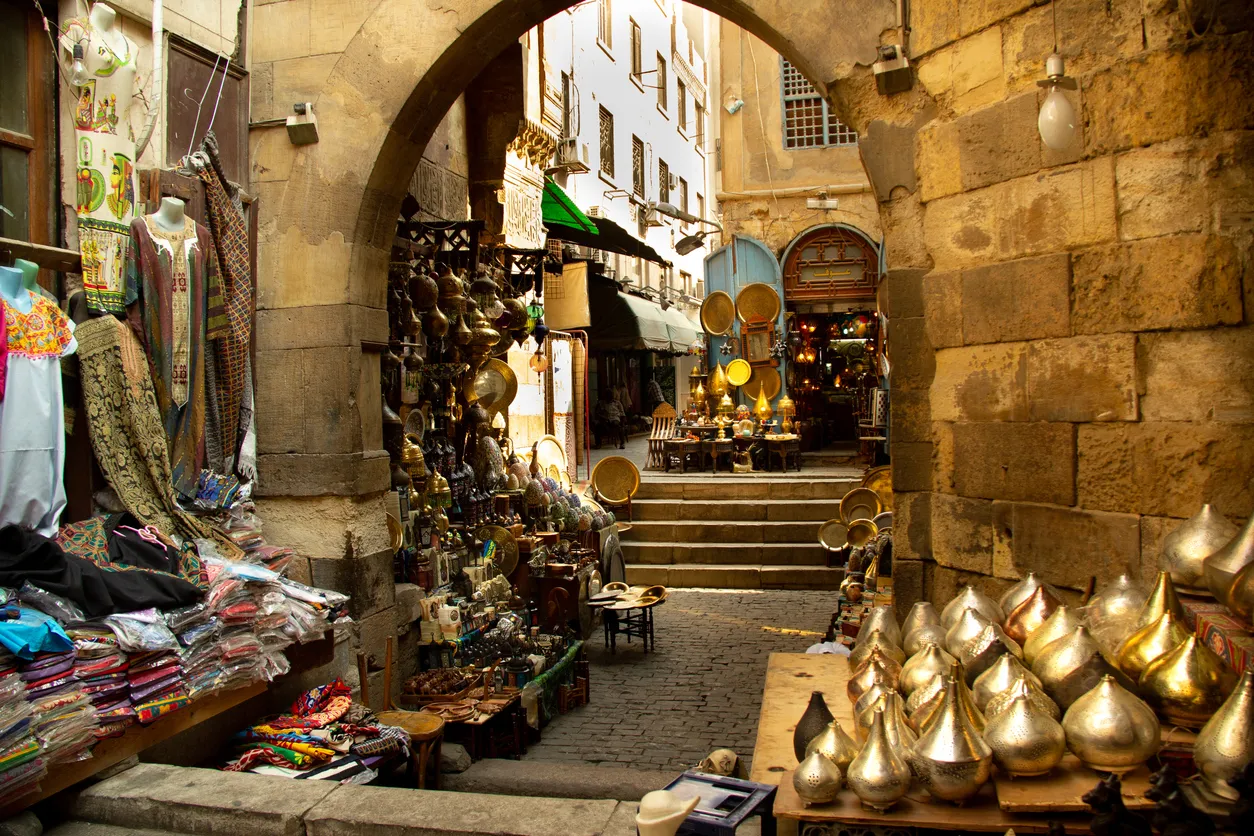
Marvel at 14th-century Islamic architecture with traditional mashrabiya, ornate doorways, and historic caravanserais.
Discover authentic handmade items including jewelry, textiles, metalwork, and traditional Egyptian souvenirs.
Experience traditional Egyptian coffee culture in historic cafes that have served customers for centuries.
Immerse yourself in authentic Egyptian culture through interactions with local artisans and merchants.
Journey through six centuries of continuous commerce and cultural exchange.
1382 CE
Established by Emir Djaharks al-Khalili during the Mamluk period, replacing the earlier Fatimid palace and mausoleum of Fatimid caliphs.
15th–16th Century
Under Ottoman rule, the bazaar expanded significantly, becoming a major center for spice trade and luxury goods from across the empire.
18th–19th Century
Famous cafes like El Fishawi opened, establishing the bazaar as a center of intellectual and social life in Cairo.
20th Century
With the growth of tourism, Khan el-Khalili adapted to serve international visitors while maintaining its traditional character.
1979
Became part of the Historic Cairo UNESCO World Heritage Site, recognizing its outstanding universal value.
Present Day
Continues to thrive as both a working marketplace and major tourist attraction, preserving traditional crafts and culture.
Khan el-Khalili represents more than just a marketplace - it's a living testament to Cairo's role as a crossroads of civilizations. For centuries, it has been a place where African, Asian, and European traders met, creating a unique cultural fusion that continues to define the area today. The bazaar has witnessed the rise and fall of empires, adapted to changing economic conditions, and survived numerous historical upheavals while maintaining its essential character as a center of commerce and community life.
Discover authentic Egyptian crafts, traditional goods, and unique souvenirs in one of the world's most famous marketplaces.
Khan el-Khalili is famous for authentic Egyptian crafts. The best things to buy at Khan el-Khalili bazaar are items made by local artisans — avoid mass-produced souvenirs and always bargain politely (final prices are usually 30–50% of the first offer).
Tip: ask for an authenticity receipt on jewelry, papyrus, and antiques — reputable shops will provide one.
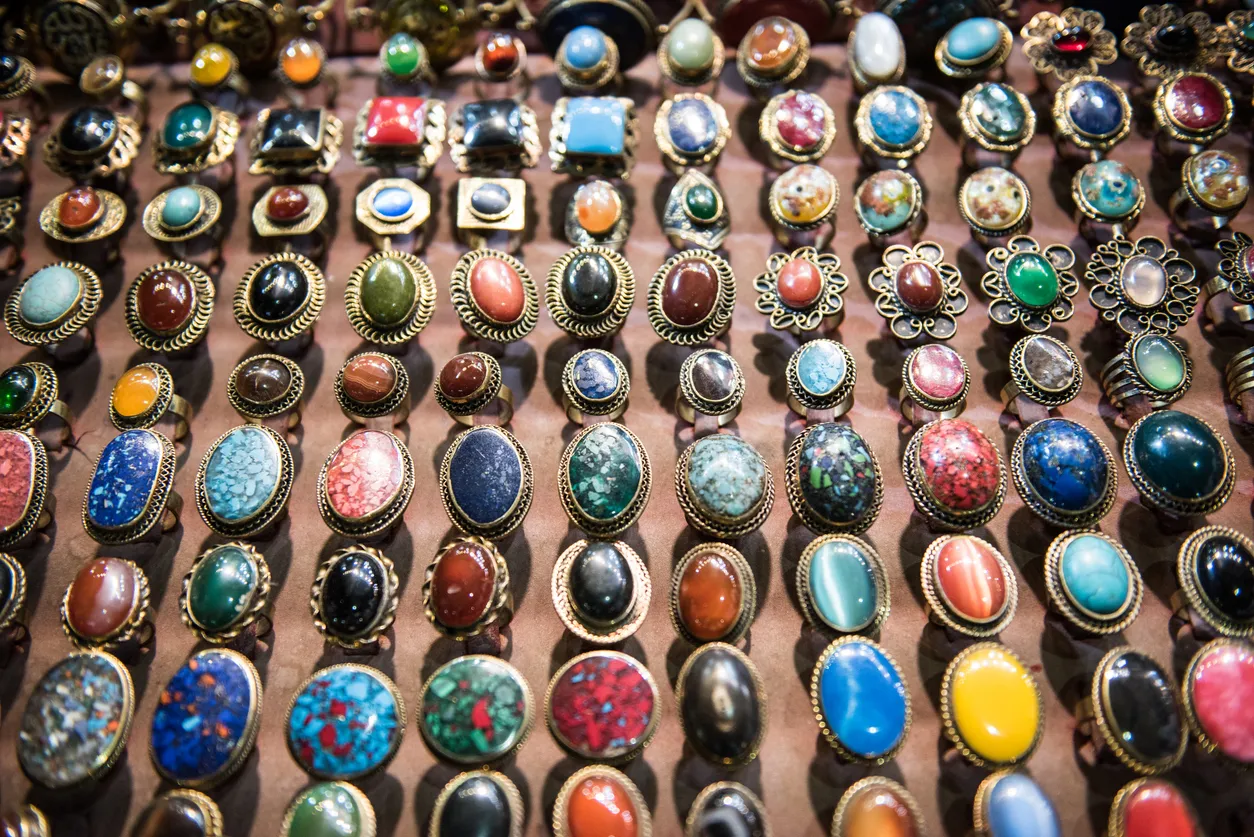
Exquisite handcrafted jewelry and metalwork representing centuries of Egyptian artisanship.
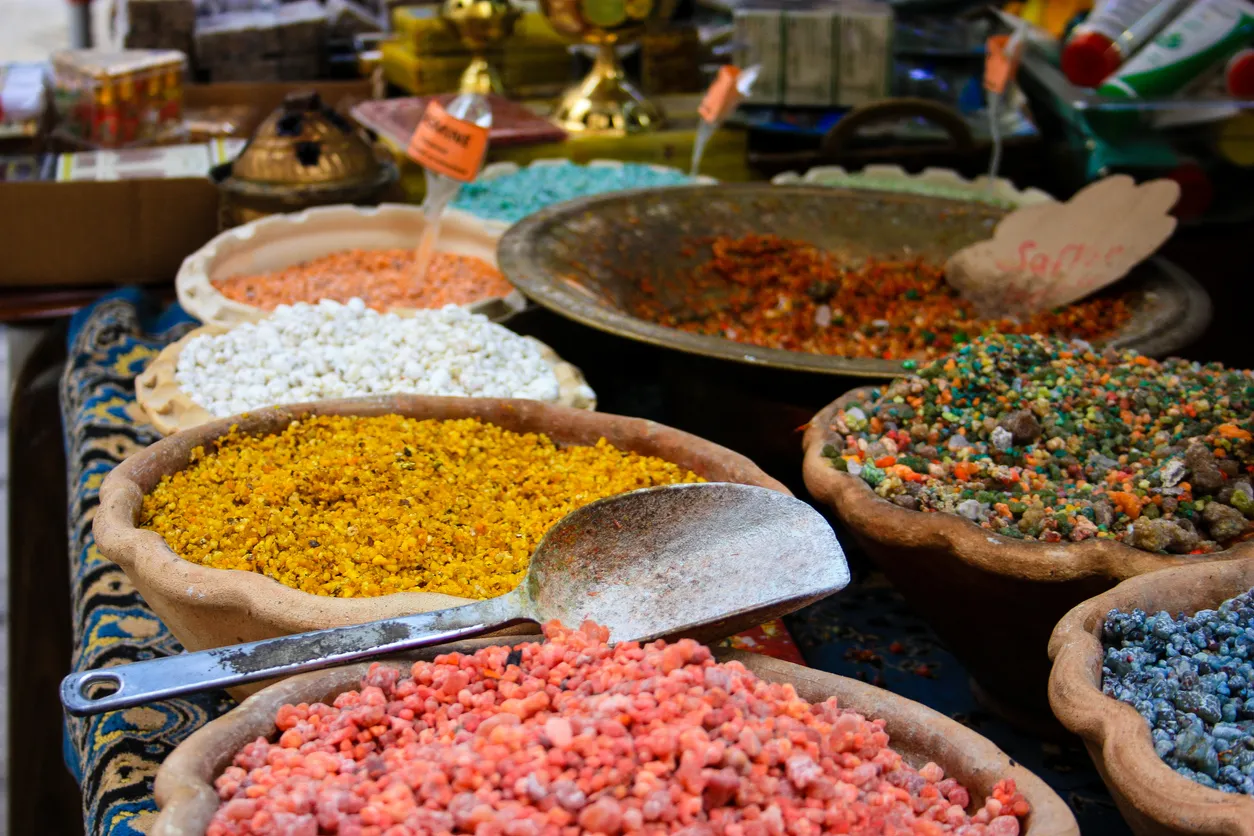
A sensory journey through exotic spices, herbs, and traditional Egyptian perfumes.
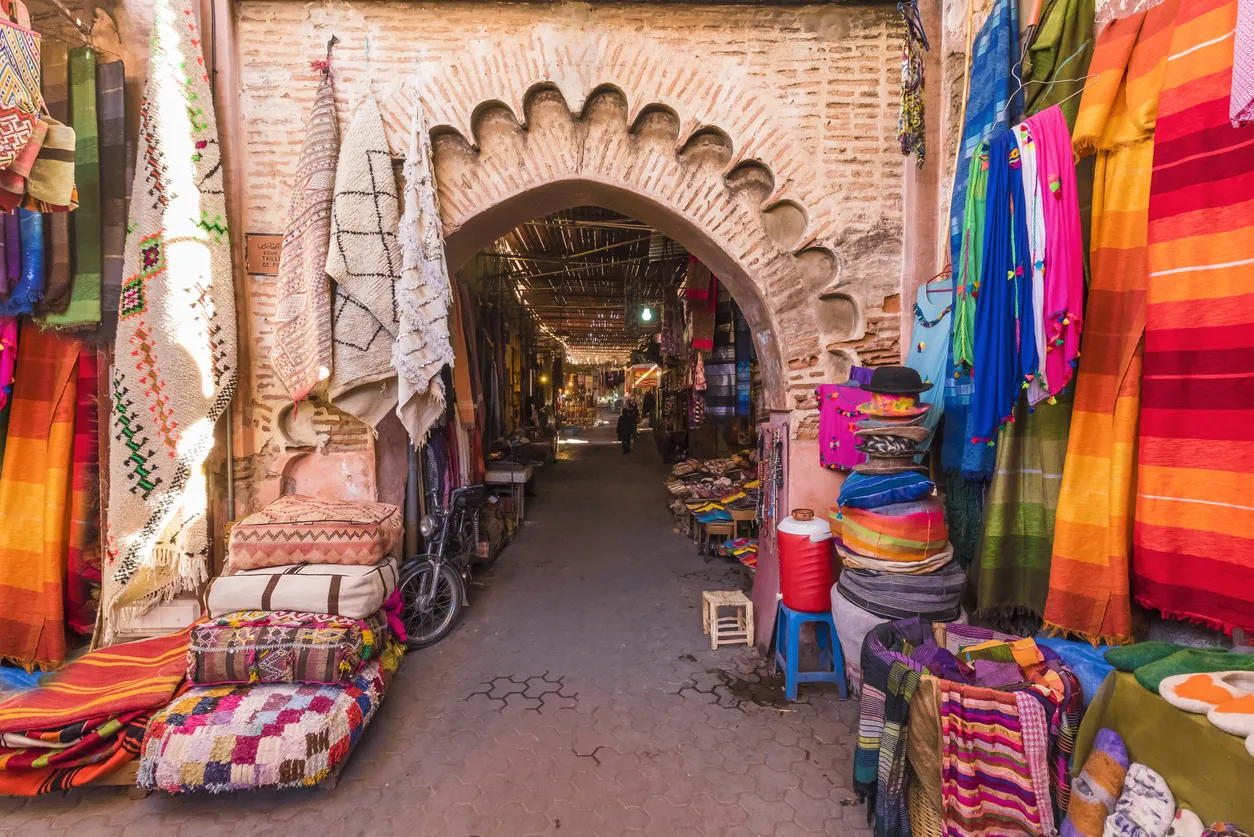
Beautiful Egyptian cotton, traditional garments, and handwoven textiles.

Authentic Egyptian handicrafts and unique souvenirs to commemorate your visit.

Stunning traditional lamps and lanterns showcasing Islamic artistic heritage.
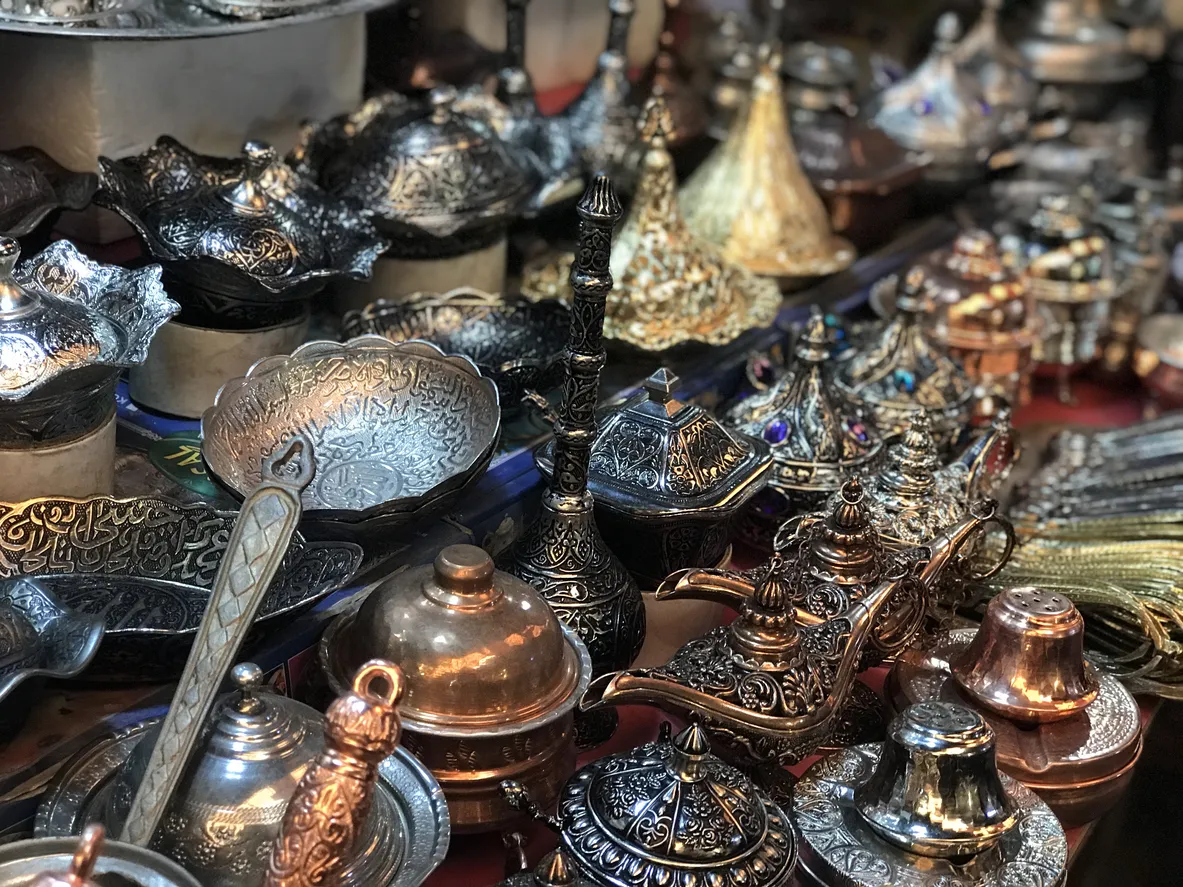
Rare antiques and collectible items with historical significance and cultural value.
Bargaining is an integral part of bazaar culture. Vendors expect you to do it. Here are the practical tips to get the best price without offending anyone.
The final price is typically 30–50% of the initial price. If you accept the tea but leave without buying, that is perfectly acceptable — it is a sign of respect. The best vendors in the Khan live on their reputation: a shop that has been in business for 100+ years rarely cheats, while the newer street stalls may be less reliable.
Experience authentic Egyptian cuisine and traditional coffee culture in venues steeped in history.
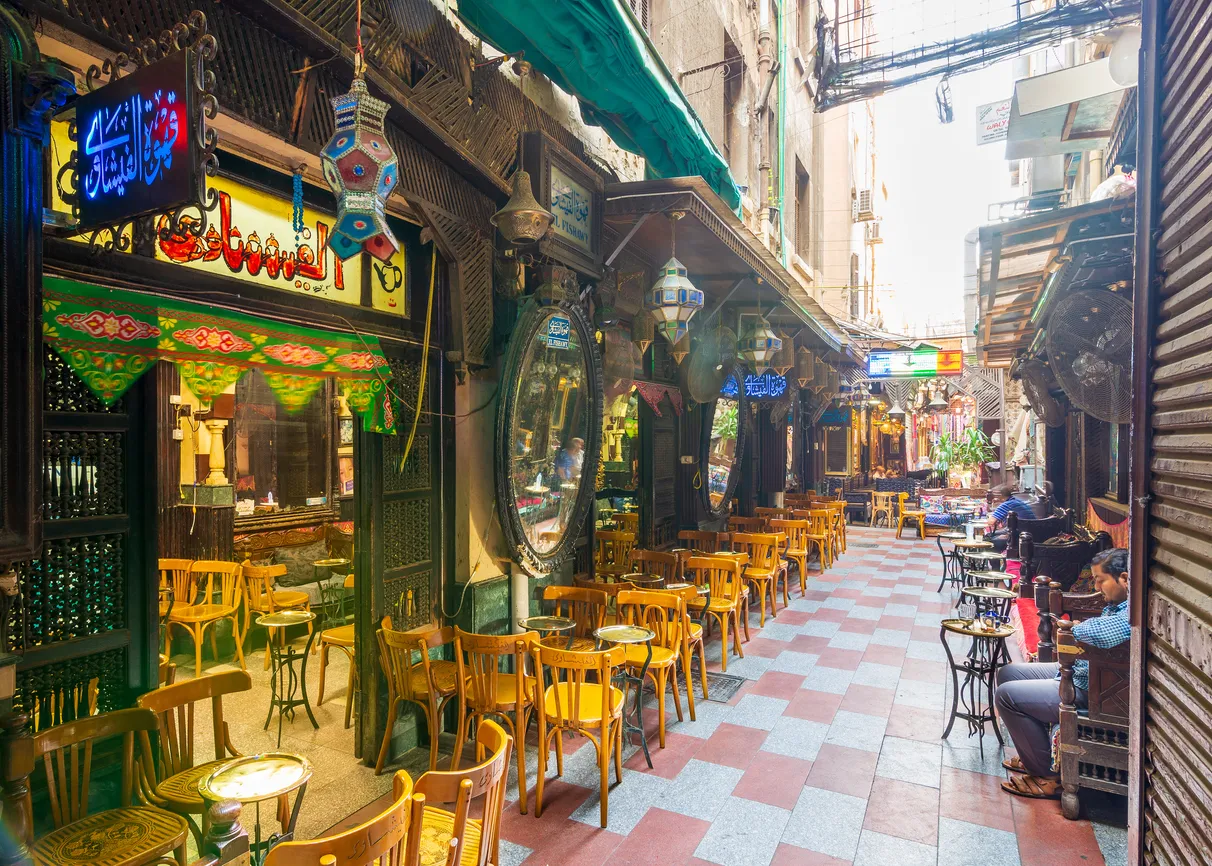
Operating continuously since 1773, El Fishawi is Cairo's oldest cafe and a legendary meeting place for intellectuals, artists, and travelers.
Must Try: Turkish coffee, mint tea, mixed nuts, and traditional Egyptian sweets.

Named after Egypt's Nobel Prize-winning author, this elegant restaurant offers refined Egyptian cuisine in a sophisticated setting.
Specialties: Grilled meats, traditional tagines, Egyptian meze, and oriental desserts.
The cafe culture of Khan el-Khalili is deeply rooted in Egyptian social tradition. These historic establishments serve as community gathering places where locals engage in animated discussions about politics, literature, and daily life. The ritual of coffee or tea drinking is complemented by games of backgammon, dominoes, and traditional Egyptian card games.
Cultural Etiquette: When visiting these cafes, take time to observe the social dynamics. It's customary to order a drink even if you're primarily there to experience the atmosphere. Most cafes welcome photography, but always ask permission first.
Explore the remarkable Islamic monuments and historic sites within walking distance of Khan el-Khalili. Click each item for details.

One of the most important centers of Islamic learning in the world, established in 970 CE.
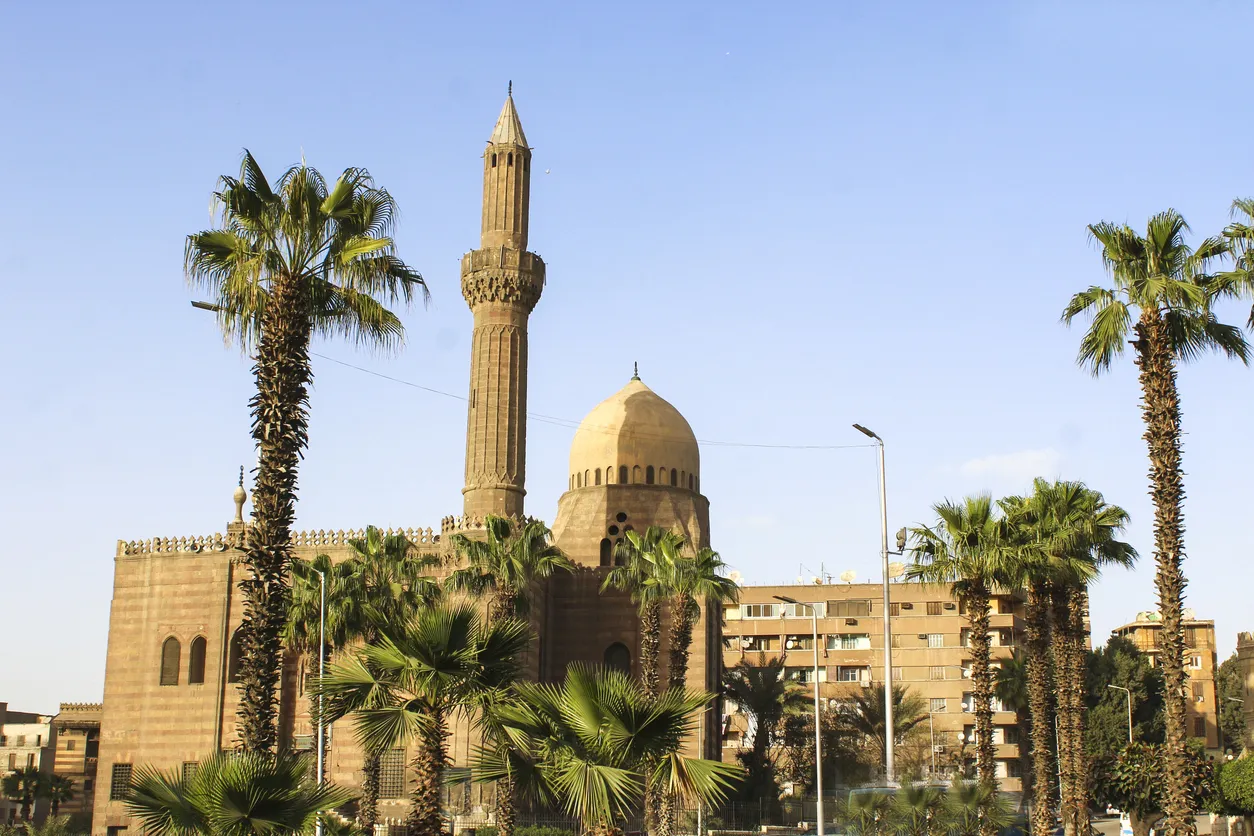
Sacred Islamic shrine believed to house the head of Hussein, grandson of Prophet Muhammad.

Historic street showcasing the largest collection of medieval Islamic architecture in the world.
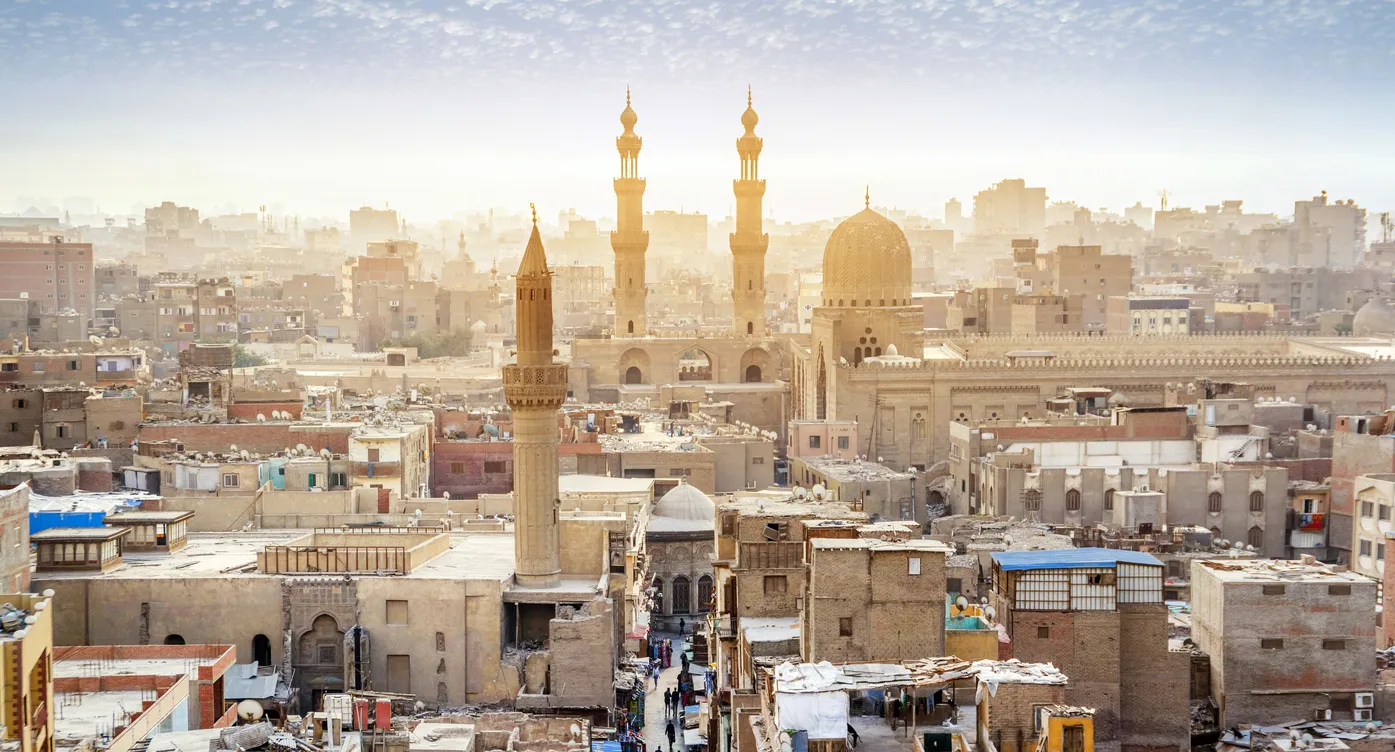
Medieval gate and one of the last remaining gates of historic Cairo's city walls.

Medieval Islamic fortification offering panoramic views of Cairo and housing several important mosques. Read our full Cairo Citadel guide.
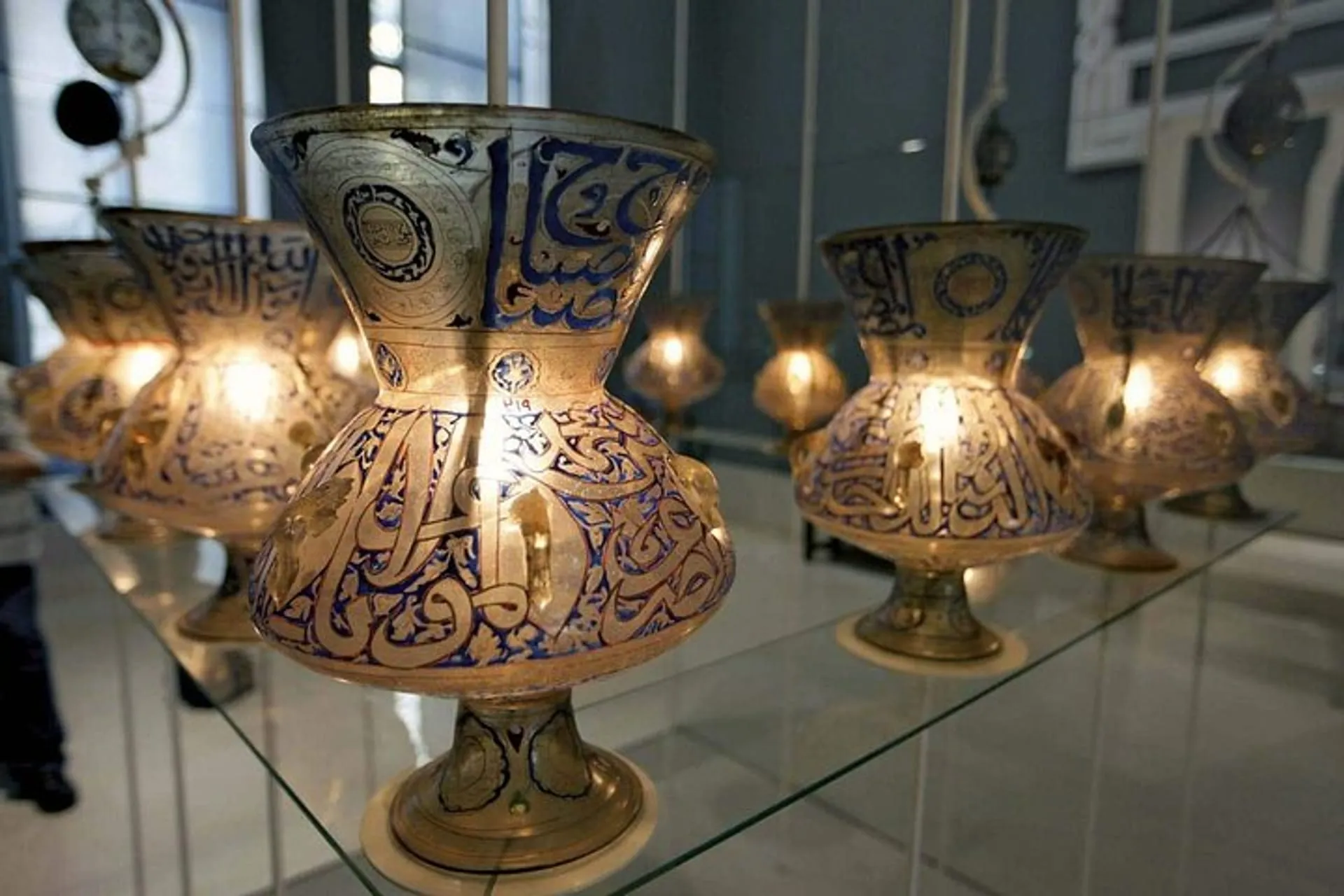
World-class collection of Islamic artifacts spanning 1,400 years of Islamic civilization.
Half-Day Islamic Cairo Tour (4–5 hours):
Four essential areas for visiting Khan el-Khalili with respect and peace of mind.
Khan el-Khalili is in a conservative Islamic district. Women: keep shoulders and knees covered; a headscarf is useful for the mosques. Men: long trousers are recommended in religious sites. Wear lightweight cotton clothing (it gets hot in summer) and comfortable shoes (the streets are paved with cobblestones).
Egyptian Arabic is the local language, but many merchants speak English, German and other languages. Useful phrases: shukran (thank you), la shukran (no thank you), kam el seer? (how much does it cost?), ghali awwi (too expensive). A smile always helps.
Generally allowed, but always ask before photographing people (a tip of €1–2 afterwards is appreciated). Photography is forbidden in some mosques. Use natural light (no flash on the crafts). Best times: early morning (9–10) and late afternoon (16–18). Tripods are discouraged in the narrow lanes.
Bargaining is expected and part of the culture. Start at 50–60% of the initial price. Show genuine interest and take your time. If you accept the offered tea or coffee you are NOT obliged to buy. Never show aggression — stay friendly even when walking away.
Discover the best tours and activities in Cairo, from Khan el-Khalili shopping tours to historic site explorations.
 All Tours
Browse our complete collection of guided tours to experience the best of Cairo and surrounding areas. Our expert Egyptologists bring the city's ancient history to life as you explore pyramids, museums, and historic districts including Khan el-Khalili.
Sightseeing
Explore ancient monuments, Islamic architecture, and cultural landmarks across Cairo with knowledgeable local guides.
Day Trips
Exciting excursions and unique experiences in and around Cairo, perfect for combining with a visit to the historic bazaar.
Discover additional tours and experiences in Egypt's magnificent capital city. Browse all Cairo tours and build the perfect itinerary around your Khan el-Khalili visit.
Everything you need to know for a successful visit to Khan el-Khalili.
30.0472°N, 31.2620°E — Islamic Cairo, opposite El-Hussein Square. A pedestrian area with permanent tourist police presence.
A quick-facts snapshot of the bazaar — its history, visitors, shopping scale and logistics.
Common questions about visiting Khan el-Khalili — opening hours, safety, prices, what to buy and more.
The best times to visit are early morning (9:00-11:00 AM) when it's less crowded and cooler, or late afternoon (5:00-7:00 PM) when the atmosphere is most vibrant. Avoid midday heat and weekend crowds if possible. During Ramadan, the bazaar comes alive in the evening with special decorations and extended hours.
Khan el-Khalili bazaar is open daily, typically from 10:00 AM to 11:00 PM, including Sundays. Individual shops set their own schedules — most open around 10–11 AM and close between 9 PM and midnight. The bazaar is busiest and most atmospheric in the evening, and some cafes like El Fishawi stay open 24 hours. During Ramadan, shops usually open later and stay open past midnight.
Yes, Khan el-Khalili is safe to visit at night and is actually at its most vibrant after sunset. The main streets, cafes, and shops stay lit and lively until late, and tourist police patrol the area around the clock. Stick to the main lanes around El-Hussein Square and Al-Muizz Street, keep valuables out of sight, and use licensed taxis or ride-hailing apps (Uber, Careem) for the return trip to your hotel.
Khan el-Khalili was founded in 1382 CE, making it over 640 years old. It was built by Emir Jaharkas el-Khalili, master of the stables under Mamluk Sultan Barquq, on the former site of the Fatimid Zaafaran Tomb. The bazaar's core structures, including the original caravanserai (khan), date back to the 14th century, with later additions during the Ottoman period.
No — entry to Khan el-Khalili is completely free. It is an open-air historic bazaar, not a ticketed monument, so you can wander its streets, browse shops, and visit cafes at any time without paying an admission fee. You only pay for what you buy (souvenirs, food, tea or coffee). Nearby ticketed sites such as Al-Azhar Mosque's museum, Beit el-Suhaymi, or the Islamic Art Museum have their own small entrance charges.
Khan el-Khalili is located in Islamic Cairo, near Al-Hussein Mosque and Al-Azhar Mosque, along the historic Al-Muizz Street (GPS: 30.0472° N, 31.2620° E). From Downtown Cairo or Tahrir Square, it is about 15–20 minutes by taxi or Uber (around 60–100 EGP). From Cairo International Airport (CAI) it's roughly 30–45 minutes. The nearest metro station is Attaba (Line 2), followed by a short taxi ride.
The best things to buy at Khan el-Khalili are authentic local crafts: handcrafted silver and gold jewelry (including cartouche pendants with your name in hieroglyphics), copper and brass lanterns and trays, Egyptian cotton textiles, spices and herbal blends, pure perfume oils, genuine papyrus art, alabaster sculptures, inlaid wooden boxes and backgammon sets, and handmade leather goods. Avoid mass-produced items and always bargain politely - final prices are usually 30-50% of the first offer.
Budget varies widely depending on what you buy. Small souvenirs start from 50-100 EGP, traditional crafts range from 200-1000 EGP, while jewelry and antiques can cost several thousand EGP. Bring cash as most vendors don't accept cards. Remember that bargaining is expected, so initial prices are often 2-3 times the final price.
Yes, Khan el Khalili is generally safe for tourists. Tourist police patrol the area regularly, and the local community depends on tourism. However, use common sense: keep valuables secure, stay aware of your surroundings, and be cautious of overly persistent vendors. The main concerns are minor pickpocketing in crowded areas and aggressive sales tactics.
Plan at least 3-4 hours for a meaningful visit. This allows time for browsing shops, bargaining, coffee at a historic cafe, and exploring nearby mosques. If you're particularly interested in shopping or want to include nearby Islamic monuments, allocate a full day. Many visitors return multiple times during their Cairo stay.
A guide isn't necessary but can enhance your experience significantly. Local guides provide historical context, help with bargaining, prevent tourist scams, and can lead you to the best authentic shops and hidden gems. If visiting independently, do some research beforehand and consider starting with a guided tour to get oriented.
Popular authentic purchases include handcrafted jewelry, traditional copper and brass items, Egyptian cotton textiles, spices and perfume oils, alabaster sculptures, and papyrus art. Avoid mass-produced "Made in China" items. Genuine papyrus feels like woven fibers (not paper) and is flexible; fake "papyrus" made from banana leaf is stiff and cracks. For gold and silver, check for the official Egyptian hallmark, and ask about authenticity certificates for expensive items, inspecting quality carefully before purchasing.
Our team is happy to help — reach out via WhatsApp, email, or call +20 101 195 7868.
Book your Cairo adventure today and experience the magic of this historic bazaar. Expert Egyptologist guides, small groups, and a best-price guarantee.