East Bank Highlights

Luxor Temple
Built around 1400 BCE, Luxor Temple is a magnificent example of ancient Egyptian architecture. Unlike other temples in Thebes, it was dedicated to the rejuvenation of kingship rather than a cult god or deceased king.
Key Features
- Avenue of Sphinxes
- Colonnade of Amenhotep III
- Court of Ramesses II
- Ancient Roman frescoes
Visiting Hours
- Summer: 6:00 AM - 8:00 PM
- Winter: 6:00 AM - 7:00 PM
- Best time: Sunrise or sunset
- Night visits available

Karnak Temple Complex
The largest religious building ever constructed, Karnak Temple was built over many generations of Egyptian rulers and is a stunning testament to ancient Egyptian architecture and religious practices.
Highlights
- Great Hypostyle Hall
- Sacred Lake
- Obelisks of Hatshepsut
- Temple of Ptah
Visitor Information
- Open daily: 6:00 AM - 5:30 PM
- Sound & Light show evenings
- Guided tours available
- Photography permitted
West Bank Treasures

Valley of the Kings
For nearly 500 years, this valley served as the burial ground for Egypt's New Kingdom rulers. The tombs are decorated with stunning religious and daily life scenes.
Notable Tombs
- Tutankhamun (KV62)
- Ramesses VI (KV9)
- Seti I (KV17)
- Ramesses III (KV11)
Essential Information
- Opens: 6:00 AM - 4:00 PM
- Photography passes required
- Limited tomb access
- Guide recommended

Temple of Hatshepsut
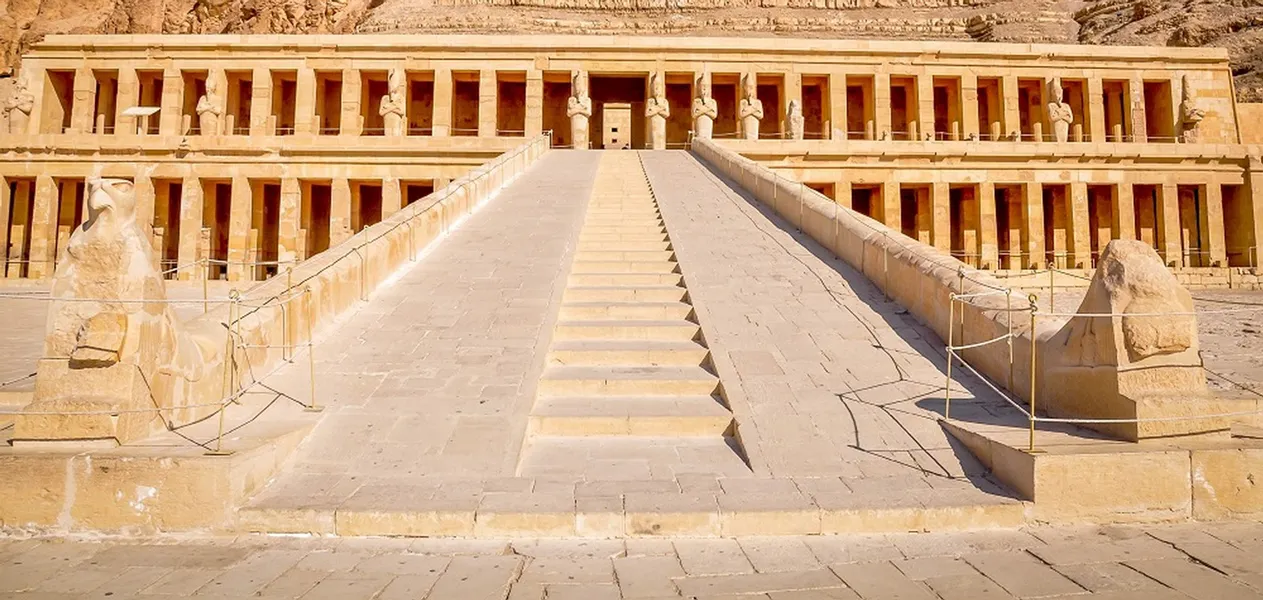
This mortuary temple is a testament to the architectural genius of ancient Egypt. Built for Queen Hatshepsut, it's considered one of the incomparable monuments of ancient Egypt.
Temple Features
- Three-tiered architecture
- Relief sculptures
- Punt colonnade
- Hathor chapel
Visiting Details
- Open: 6:00 AM - 4:00 PM
- Morning visits recommended
- Electric train available
- Guided tours offered
Practical Information
Best Time to Visit
- October to April (ideal weather)
- Early morning starts recommended
- Avoid summer afternoon heat
- Consider special events calendar
Transportation
- East Bank: Walking or taxi
- West Bank: Organized tours
- River crossings available
- Private guides with transport
Essential Tips
- Carry water and sun protection
- Wear comfortable walking shoes
- Respect dress codes
- Bring camera and cash
Tours & Tickets
Luxor Pass Options
- Standard Pass (Most sites)
- Premium Pass (All sites)
- Student discounts available
- Multi-day options
Guided Tours
- Full-day city tours
- East Bank highlights
- West Bank archaeological tours
- Private customized tours
- Small group experiences
Special Experiences
- Hot air balloon rides
- Sound & Light shows
- Nile dinner cruises
- Sunset felucca sailings
- Archaeological lectures
Dining & Local Cuisine
Culinary Experiences
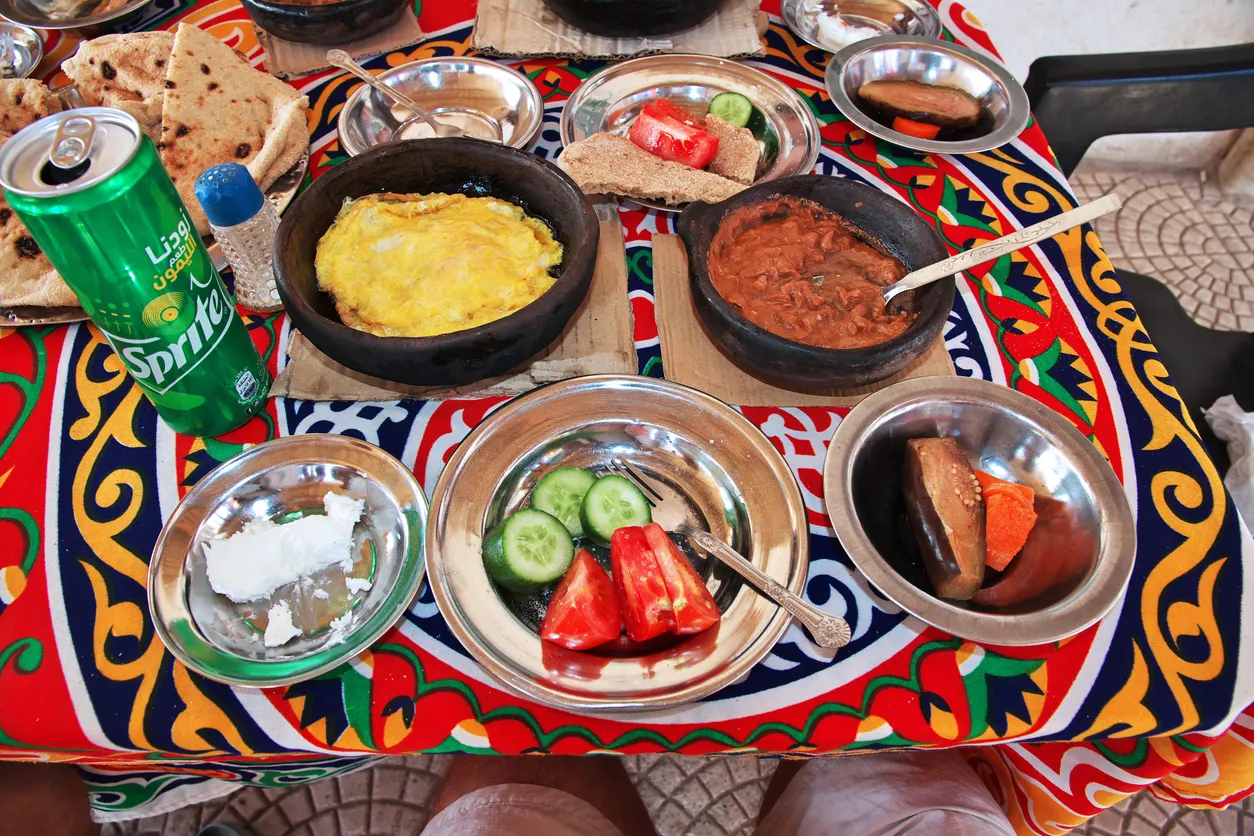
Experience the rich flavors of Egyptian cuisine while dining with stunning views of the Nile or ancient temples. From traditional local eateries to upscale restaurants, Luxor offers diverse dining options.
Local Specialties
- Koshari (National dish)
- Ful medames
- Molokhia
- Fresh Nile fish
- Traditional mezze
Dining Venues
- Nile-view restaurants
- Local family eateries
- Hotel fine dining
- Street food experiences
- Rooftop cafes
Dining Experiences
- Cooking classes
- Food tours
- Dinner cruises
- Farm-to-table meals
- Traditional coffee houses
Where to Stay
Luxury Hotels
- 5-star Nile-view properties
- Historic palace hotels
- Boutique luxury resorts
- Spa and wellness centers
- Private villa rentals
Mid-Range Options
- Comfortable 3-4 star hotels
- Boutique guesthouses
- Apartment hotels
- Family-run hotels
- City center locations
Budget Accommodations
- Traditional guesthouses
- Hostels and dormitories
- Basic hotels
- Homestay experiences
- Long-term rentals
Cultural Experiences

Immersive Cultural Activities
Discover the rich cultural heritage of Luxor through authentic experiences and interactions with local communities. From traditional arts to modern cultural expressions, immerse yourself in Egyptian culture.
Traditional Arts
- Alabaster workshops
- Pottery making
- Textile weaving
- Hieroglyph classes
- Arabic calligraphy
Local Experiences
- Village visits
- Farm experiences
- Traditional markets
- Family homestays
- Cultural festivals
Evening Entertainment
- Folkloric shows
- Whirling dervishes
- Traditional music
- Storytelling sessions
- Cultural ceremonies
Shopping Guide
Traditional Markets
- Luxor Souk
- Old Market
- West Bank markets
- Spice markets
- Artisan quarters
Local Crafts
- Alabaster carvings
- Papyrus art
- Traditional textiles
- Handmade jewelry
- Copper and brassware
Shopping Tips
- Bargaining expected
- Quality verification
- Best times to shop
- Export regulations
- Authentic certificates
Essential Tips & Safety
Health & Safety
- Stay hydrated
- Use sun protection
- Carry travel insurance
- Emergency contacts
- Medical facilities
Cultural Respect
- Modest dress code
- Photography etiquette
- Religious customs
- Local traditions
- Social protocols
Smart Travel
- Licensed guides only
- Reliable transport
- Value for money
- Safe areas guide
- Emergency support
More Must-See Luxor Attractions
Valley of the Queens
The burial ground of royal wives and children, home to the exquisitely painted tomb of Queen Nefertari — often called the most beautiful tomb in Egypt.
- Tomb of Nefertari (QV66)
- Vivid, well-preserved wall paintings
- Quieter than the Valley of the Kings
Medinet Habu
The vast mortuary temple of Ramesses III, famous for its towering pylons and some of the best-preserved, still-colourful reliefs on the West Bank.
- Original painted colour intact
- Battle of the Sea Peoples reliefs
- Far fewer crowds
Colossi of Memnon
Two 18-metre stone statues of Pharaoh Amenhotep III that have guarded the Theban necropolis for over 3,400 years — a free, iconic photo stop.
- Free to visit
- Stunning at sunrise
- On the road to the West Bank sites
The Ramesseum
The memorial temple of Ramesses II, whose toppled colossus inspired Shelley's poem "Ozymandias." A peaceful, atmospheric ruin.
- The fallen giant statue
- Grand hypostyle hall
- Ancient mud-brick storerooms
Luxor & Mummification Museums
Two compact, well-curated East Bank museums — the Luxor Museum displays royal statuary and mummies, while the Mummification Museum explains the embalming process.
- Air-conditioned and shaded
- Royal mummies on display
- Ideal for hot afternoons
Hot Air Balloon Rides
Drift over the temples, tombs and the Nile at dawn for an unforgettable aerial view of the West Bank — Luxor is one of the world's top ballooning destinations.
- Sunrise departures
- Views of Hatshepsut & the Ramesseum
- Best booked in advance
Getting to Luxor & Getting Around
From Hurghada
- About 4 hours by road across the desert
- Popular as a guided day trip
- Private and small-group options
From Cairo
- Around a 1-hour domestic flight
- Overnight sleeper train
- Multi-day Nile cruises
By Air
- Luxor International Airport (LXR)
- Domestic & seasonal international flights
- About 15 minutes from the city centre
Getting Around
- East Bank: walkable, taxis and caleches
- West Bank: organized tours or private car
- Nile ferry & motorboats between the banks
Sample Luxor Itineraries
1 Day in Luxor
- Karnak & Luxor Temples (East Bank)
- Valley of the Kings
- Temple of Hatshepsut
- Colossi of Memnon
2 Days in Luxor
- Day 1: East Bank temples + Luxor Museum
- Day 2: West Bank tombs & temples
- Sunset felucca on the Nile
- Sound & Light show at Karnak
3 Days in Luxor
- Days 1–2: All major East & West Bank sites
- Day 3: Hot air balloon at sunrise
- Valley of the Queens & Medinet Habu
- Optional day trip to Dendera & Abydos
Frequently Asked Questions
How many days do you need in Luxor?
Two to three days is ideal to explore both the East and West Banks at a comfortable pace. If you only have one day, you can still see the highlights — Karnak Temple, the Valley of the Kings and the Temple of Hatshepsut — on a well-planned day tour.
What is the best time to visit Luxor?
The best time is from October to April, when daytime temperatures are pleasant for sightseeing. Summer (June to August) is very hot, so plan early-morning visits and carry plenty of water.
Is Luxor safe for tourists?
Yes. Luxor is one of Egypt's most visited destinations and is generally very safe for travellers, with a visible tourist police presence at the main sites. As anywhere, use common sense, agree taxi fares in advance and book guides through reputable operators.
How do I get to Luxor from Hurghada?
Luxor is about a 4-hour drive from Hurghada across the desert. The easiest way is an organized day trip or private tour, which includes hotel pick-up, transport, entrance logistics and a guide.
What is the difference between the East Bank and West Bank?
The East Bank is the living city, home to Luxor and Karnak Temples and the museums. The West Bank — where the sun sets — was the ancient necropolis, with the Valley of the Kings, the Temple of Hatshepsut and many mortuary temples and tombs.
Do I need a guide for the Valley of the Kings?
A guide is highly recommended. Guides cannot enter the tombs themselves, but they bring the history to life beforehand, help you choose which tombs to visit and handle tickets and photography passes, saving you time.
What should I wear when visiting Luxor?
Wear light, breathable, modest clothing that covers shoulders and knees, plus comfortable walking shoes, a hat and sunglasses. Sunscreen and water are essential, especially on the shadeless West Bank.
Are hot air balloon rides in Luxor worth it?
Absolutely. A sunrise balloon flight over the West Bank gives a breathtaking aerial view of the temples, tombs and the Nile, and is one of Luxor's most memorable experiences. Book a day or two in advance.
Top Luxor Attractions
Valley of the Kings
Explore the royal tombs of ancient Egyptian pharaohs in this UNESCO World Heritage site.
Discover the Valley
Site map
63
Destinations
- Plan Your Trip
- All Destinations
- Tours by Category
- Egypt Travel Guide
- Egypt Travel Guides
- Discovery Map
- Cairo Travel Guide
- Hurghada Travel Guide
- Sharm El Sheikh Travel Guide
- Luxor Travel Guide
- Hurghada Weather
- Abu Simbel Temple
- Gods of Egypt
- Pyramids of Giza
- Grand Egyptian Museum
- Egyptian Hieroglyphs
- Cairo from Hurghada
- Blue Hole Dahab